




Phone Verification APIs Comparison: Leading Providers Guide
User authentication and data accuracy are more important than ever. Businesses rely heavily on mobile numbers for onboarding, marketing, and security. However, fake, invalid, and disposable numbers continue to cause major operational and financial losses.
This is where phone verification APIs and number validation APIs come in. They help businesses verify users, prevent fraud, and maintain clean databases.
In this guide, we’ll compare the leading phone API providers, analyze their features, pricing, and performance, and help you choose the right solution for your business.
What Are Phone Verification APIs?
Phone verification APIs are tools that allow applications to validate and authenticate phone numbers in real time.
They typically work by:
- Checking number format and country code
- Verifying carrier and network details
- Sending OTPs (One-Time Passwords)
- Performing HLR (Home Location Register) lookups
- Detecting virtual or disposable numbers
These APIs are widely used in:
- User registration systems
- Two-factor authentication (2FA)
- E-commerce platforms
- Banking and fintech apps
- CRM data validation
By using number validation APIs, businesses can ensure that the phone numbers in their systems are real, reachable, and active.
Why Businesses Need Phone Number Validation
Implementing phone verification is no longer optional. It is a necessity for modern digital platforms.
Key Benefits
- Fraud Prevention: Blocks fake and bot accounts
- Better Data Quality: Removes invalid contacts
- Cost Reduction: Avoids wasted SMS and call charges
- Improved Security: Strengthens login protection
- Higher Conversions: Builds user trust
Without proper phone verification, companies risk losing revenue, reputation, and user confidence.
Key Features to Look for in Phone API Providers
Before choosing a provider, evaluate these essential features:
1. Global Coverage
Support for international phone numbers across multiple countries.
2. Accuracy
High success rates in detecting invalid or fake numbers.
3. Speed and Performance
Low latency and fast response times.
4. Documentation and SDKs
Clear guides, sample code, and multi-language support.
5. Scalability
Ability to handle high volumes without downtime.
6. Pricing Flexibility
Pay-as-you-go, subscription, and enterprise plans.
7. Customer Support
24/7 technical assistance and dedicated account managers.
Choosing the right phone API provider ensures long-term reliability.
Recommended Resources: Numverify vs Twilio vs Vonage: Phone Verification for Your Enterprise
Comparison Criteria and Methodology
To evaluate the leading phone verification APIs, we considered:
- Verification accuracy
- API response speed
- Global coverage
- Pricing transparency
- Developer experience
- Security compliance
- Customer feedback
All providers were tested using standard verification workflows and real-world scenarios.
Top Phone Verification API Providers
Let’s explore some of the most popular solutions in the market.
- Numverify
Overview
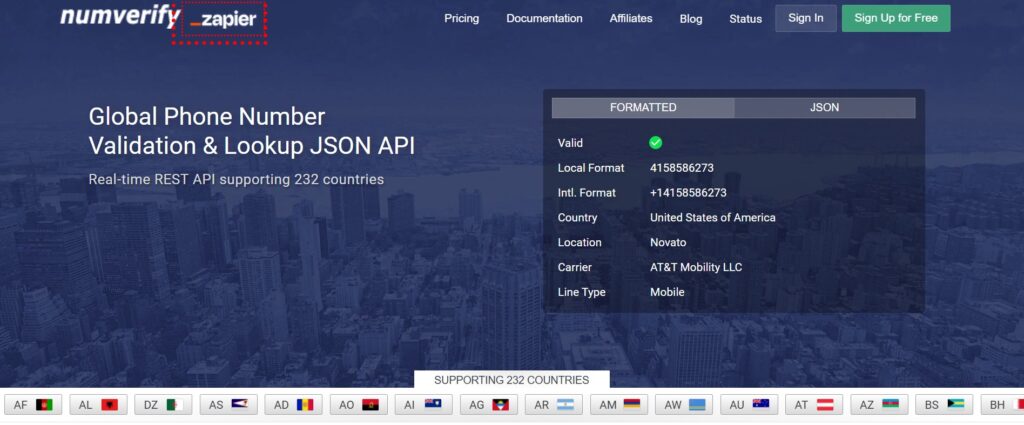
Numverify focuses on real-time phone number validation and carrier lookup.
Key Features
- International number validation
- Carrier and line type detection
- Format checking
- Lightweight REST API
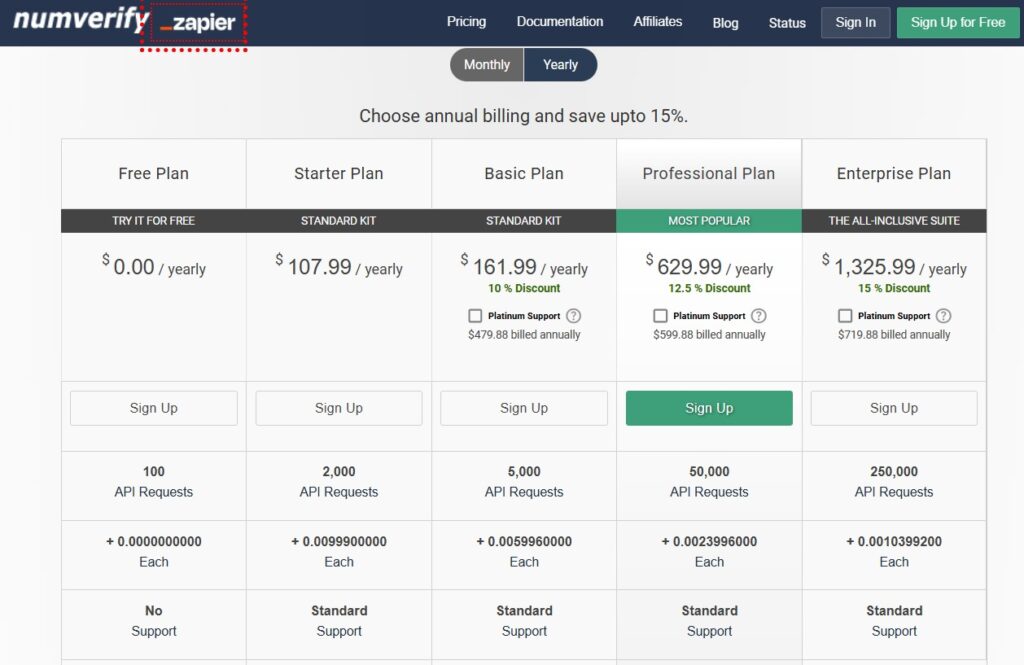
Pricing
- Free tier available
- Affordable monthly plans
Pros
- Easy integration
- Budget-friendly
- Good accuracy
Cons
- No built-in OTP delivery
- Limited enterprise features
Best For: Startups, marketers, and CRM platforms
- Twilio Verify
Overview
Twilio Verify is a powerful verification service integrated with Twilio’s communication platform.
Key Features
- SMS, voice, and WhatsApp verification
- Advanced fraud detection
- Multi-channel authentication
- Global delivery network
Pricing
- Pay-per-verification
- Higher enterprise pricing
Pros
- Excellent reliability
- Strong security
- Enterprise-grade infrastructure
Cons
- Expensive for small businesses
- Complex setup
Best For: Enterprises and high-scale platforms
- Vonage Verify
Overview
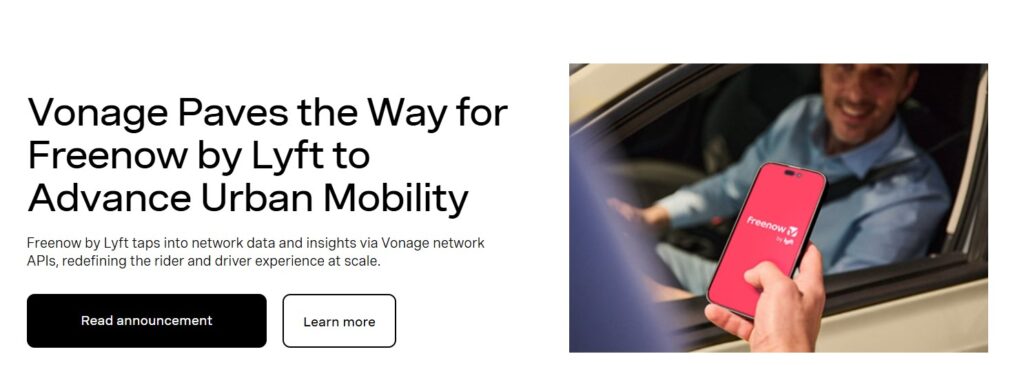
Vonage provides multi-channel verification with strong telecom backing.
Key Features
- SMS and voice verification
- Automatic fallback
- Regional compliance
- Fraud prevention tools
Pricing
- Usage-based model
- Custom enterprise plans
Pros
- High delivery rates
- Good customer support
- Reliable infrastructure
Cons
- Limited free testing
- Moderate learning curve
Best For: SaaS platforms and fintech companies
- Sinch (Optional Provider)
Overview
Sinch offers enterprise-grade messaging and verification services.
Key Features
- SMS and voice OTP
- AI-powered routing
- Analytics dashboard
Pros
- Strong global presence
- High uptime
Cons
- Pricing not transparent
Best For: Large organizations
Feature Comparison Table
| Feature | Numverify | Twilio Verify | Vonage Verify | Sinch |
| OTP Support | ✅ Yes | ✅ Yes | ✅ Yes | ✅ Yes |
| Global Coverage | ✅ High | ✅ Very High | ✅ High | ✅ Very High |
| Pricing | 💲 Low | 💲💲 High | 💲💲 Medium | 💲💲 High |
| Ease of Integration | Easy | Moderate | Moderate | Complex |
| Enterprise Support | Excellent | Excellent | Good | Excellent |
Pricing Comparison: Which API Offers Best Value?
Numverify
- Free tier
- Low monthly subscriptions
- Best for basic validation
Twilio
- Pay-per-verification
- Premium pricing
- Best for security-focused platforms
Vonage
- Usage-based pricing
- Custom enterprise plans
Sinch
- Negotiated pricing
- Designed for large-scale use
👉 Tip: Startups should prioritize affordability, while enterprises should focus on reliability and security.
Performance and Reliability Analysis
Performance is critical for real-time verification.
Key Metrics
- Uptime: Twilio and Sinch lead with 99.9%+
- Latency: Numverify performs well for lookups
- Delivery Rate: Vonage and Twilio dominate OTP success
- Scalability: Twilio and Sinch handle massive volumes
Reliable phone verification APIs minimize user drop-offs and failed registrations.
Security, Privacy, and Compliance
Security should never be compromised.
Top providers implement:
- End-to-end encryption
- GDPR compliance
- Consent management
- Secure API authentication
- Anti-fraud filters
When choosing number validation APIs, always verify compliance with regional regulations.
How to Choose the Right Phone Verification API
For Startups
- Choose Numverify or similar low-cost solutions
- Focus on basic validation
For E-commerce
- Use Twilio or Vonage
- Prioritize OTP reliability
For SaaS Platforms
- Balance cost and scalability
- Consider Vonage or Sinch
For Enterprises
- Invest in Twilio or Sinch
- Focus on security and uptime
Match your business goals with provider capabilities.
Basic Integration Guide
Here is a simple workflow for integrating a phone verification API:
Step 1: Create an Account
Register with your chosen provider and obtain an API key.
Step 2: Authenticate Requests
Include your API key in headers or query parameters.
Step 3: Send Verification Request
Submit the user’s phone number to the API.
Step 4: Verify OTP
Validate the code entered by the user.
Step 5: Handle Errors
Manage failed attempts and retries.
Most providers offer SDKs for JavaScript, Python, PHP, and Java.
Common Challenges and Solutions
| Challenge | Solution |
| OTP Not Delivered | Use fallback channels |
| Invalid Numbers | Enable pre-validation |
| High Costs | Optimize verification flow |
| Regional Restrictions | Choose multi-region providers |
| API Downtime | Implement redundancy |
Proactive planning reduces verification failures.
Frequently Asked Questions (FAQs)
What is the best phone verification API?
It depends on your needs. Twilio is best for enterprises, while Numverify is ideal for startups.
Are number validation APIs accurate?
Yes, leading providers offer 95%+ accuracy rates.
How much do phone API providers charge?
Prices range from free tiers to enterprise plans costing thousands per month.
Is phone verification GDPR-compliant?
Most major providers follow GDPR and regional privacy laws.
Can I verify international numbers?
Yes, most modern APIs support global numbers.
Future Trends in Phone Verification APIs
The verification industry continues to evolve.
Key trends include:
- AI-based fraud detection
- Passwordless authentication
- WhatsApp and RCS verification
- Biometric voice authentication
- Blockchain-based identity systems
Future phone API providers will focus on smarter, faster, and more secure verification.
Phone verification APIs play a critical role in securing digital platforms and maintaining high-quality user data.
To summarize:
- Numverify is best for affordable validation
- Twilio Verify leads in security and reliability
- Vonage Verify balances cost and performance
- Sinch serves enterprise needs
By choosing the right number validation API, you can reduce fraud, improve user experience, and scale your business with confidence.
If you’re building a modern digital platform, investing in reliable phone verification is no longer optional, it’s essential.
Recommended Resources: Numverify vs Twilio vs Vonage: Phone Verification for Your Enterprise
About the Author