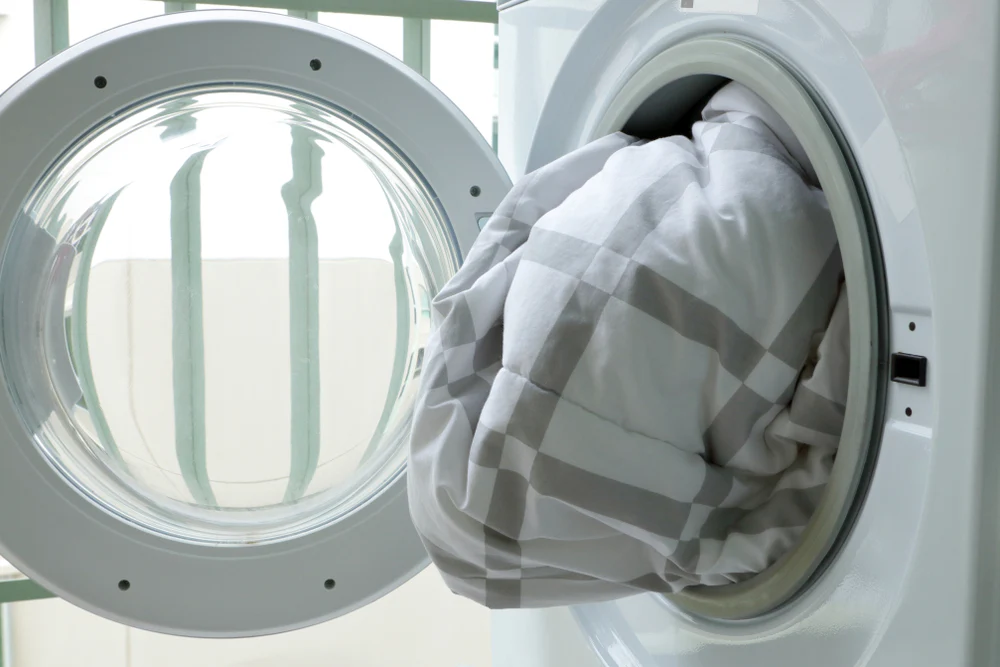
In recent years, the popularity of laundry detergent sheets has skyrocketed, offering a convenient and eco-friendly alternative to traditional liquid detergents. For businesses and households alike, understanding the truth about detergent sheets is essential. These innovative sheets are designed to simplify laundry routines while minimizing environmental impact. Despite their growing popularity, several myths and misconceptions still surround them. In this article, we will explore the facts, debunk common myths, and highlight why detergent sheets are transforming the cleaning industry.
What Are Laundry Detergent Sheets?
Laundry detergent sheets are thin, pre-measured sheets that dissolve in water to clean clothes effectively. Unlike liquid detergents, they come in compact, lightweight forms, making them ideal for travel, small living spaces, and eco-conscious households. These sheets are formulated to be biodegradable, reducing chemical waste and the need for plastic packaging.
Advantages of Using Detergent Sheets
- Eco-friendly: Reduced plastic use and biodegradable ingredients make them a sustainable alternative.
- Convenience: Pre-measured sheets eliminate the need for measuring and pouring.
- Portability: Lightweight and compact, ideal for trips or shared laundry spaces.
Understanding how these sheets work is key to appreciating their benefits and dispelling common misconceptions.
Myth 1: Detergent Sheets Are Less Effective
One of the most prevalent myths is that detergent sheets cannot clean clothes as effectively as traditional detergents. In reality, modern laundry sheets are formulated with concentrated cleaning agents designed to remove stains, brighten fabrics, and maintain color vibrancy. Many consumers find that detergent sheets match or even exceed the cleaning power of liquids and powders while offering the added benefit of being eco-friendly.
Myth 2: Laundry Sheets Are Only for Travel
While detergent sheets are convenient for travel, their utility extends far beyond trips. They are suitable for everyday use in homes, dorms, and apartments. Their compact design is perfect for small storage spaces and helps reduce clutter in laundry areas. This versatility makes them a practical choice for anyone looking to simplify their laundry routine without compromising on cleaning power.
Benefits Beyond Travel
- Simplified storage: Sheets take up minimal space compared to bulky liquid detergents.
- Reduced waste: No excess product is poured or spilled, minimizing environmental impact.
- Easy to use: Just drop a sheet into the washing machine, no measuring required.
By challenging the idea that detergent sheets are travel-only products, users can see their value in everyday life.
Myth 3: Detergent Sheets Are Expensive
Another common misconception is that laundry sheets are cost-prohibitive. In truth, detergent sheets are often competitively priced and provide excellent value due to their concentrated formulas and pre-measured design. Since each sheet delivers the precise amount needed for a wash, there is less waste, meaning you get more loads per package compared to liquid detergents.
Economic Advantages
- Less waste per wash: Pre-measured sheets reduce the chance of using too much detergent.
- Lower shipping costs: Lightweight and compact packaging saves on delivery fees.
- Longer shelf life: Dry sheets have a longer shelf life than liquid detergents, reducing product loss.
Consumers are discovering that detergent sheets are not just convenient but also cost-effective over time.
Myth 4: Detergent Sheets Are Hard to Use
Some people believe that detergent sheets are difficult to handle or dissolve properly. In reality, laundry sheets are designed for simplicity. They dissolve quickly in both cold and hot water, leaving no residue behind. Using detergent sheets requires no special techniques—simply place a sheet in the washer drum before adding clothes, and the sheet dissolves automatically during the wash cycle.
User-Friendly Features
- Quick-dissolving: Works in all water temperatures.
- Mess-free: No spills, sticky bottles, or powder dust.
- Safe for all machines: Compatible with standard and high-efficiency washers.
The ease of use makes detergent sheets accessible for anyone, from busy professionals to students living in dorms.
Myth 5: Detergent Sheets Are Not Eco-Friendly
A significant concern is whether detergent sheets truly provide environmental benefits. The fact is that they are often far more sustainable than traditional liquid detergents. They reduce plastic packaging, lower carbon footprint in transportation due to lighter weight, and use biodegradable ingredients that minimize environmental impact.
Supporting Sustainable Practices
- Plastic reduction: Sheets often come in recyclable or compostable packaging.
- Lower carbon footprint: Lightweight sheets reduce fuel consumption during transport.
- Water-efficient: Minimal water is needed for production compared to liquids.
Consumers seeking a greener lifestyle can rely on detergent sheets as a practical and effective solution.
How to Choose the Right Detergent Sheets
Selecting the ideal laundry sheets involves considering factors such as fragrance, formulation, and intended use. Many brands now offer sheets for sensitive skin, color protection, or high-efficiency washers. Understanding these options ensures the best results for your household or business.
Tips for Choosing Detergent Sheets
- Check the packaging for eco-friendly claims and certifications.
- Consider fragrance-free or hypoallergenic options if sensitive skin is a concern.
- Select sheets compatible with your washing machine type (standard or high-efficiency).
- Evaluate customer reviews and manufacturer reputation to ensure consistent performance.
Choosing the right sheets enhances both cleaning efficiency and environmental responsibility.
Eco Cleaning Facts You Should Know
As laundry sheets gain popularity, it’s important to recognize the broader impact of eco cleaning facts. Switching to sheet-based detergents reduces plastic pollution, lowers greenhouse gas emissions during transport, and minimizes chemical runoff into waterways. Businesses and households adopting sustainable cleaning practices contribute to a healthier environment while maintaining effective cleaning standards.
Key Environmental Advantages
- Reduced plastic waste from bottles and jugs
- Lower carbon emissions during distribution
- Biodegradable ingredients that break down safely in water systems
- Reduced energy and water consumption during production
Understanding these eco cleaning facts empowers consumers and businesses to make informed choices that benefit both their homes and the planet.
Future of Laundry Detergent Sheets
The demand for eco-friendly cleaning products is expected to grow, driven by consumer awareness and sustainability goals. Laundry detergent sheets are positioned to lead this transformation, offering an ideal combination of convenience, performance, and environmental responsibility. Businesses that incorporate these products into their offerings can cater to modern consumer needs while supporting greener cleaning practices.
Trends to Watch
- Expansion of private-label eco detergent sheets for businesses
- Integration with subscription services for convenient delivery
- Development of specialized formulations for different fabrics and washing needs
- Increased adoption in hospitality, travel, and shared living environments
By embracing these trends, both businesses and consumers can participate in the eco-friendly cleaning revolution.
Conclusion
Detergent sheets are more than just a convenient laundry solution—they are a sustainable, effective, and innovative alternative to traditional detergents. By understanding the truth about detergent sheets and considering eco cleaning facts, consumers and businesses alike can make informed decisions. Debunking myths about performance, cost, and usability highlights the practicality of sheet-based laundry solutions. Whether for home use, travel, or commercial purposes, laundry detergent sheets represent a forward-thinking choice that combines convenience, effectiveness, and environmental stewardship.
Why Most Crypto Tokens Fail And How Entrepreneurs Can Get It Right?
Embedded Software Market Demand Across Consumer Electronics And Automotive Sectors
4K Set Top Box Market Growth Driven By Smart Connectivity And OTT Integration
Cervical Pillows Market Growth Driven By Aging Population And Lifestyle Disorders
Total Station Market Demand Across Construction Transportation And Utilities
