
In today’s retail world, technology plays a key role in helping businesses stay competitive and efficient. One of the most crucial pieces of technology in any store is the Point of Sale (POS) system. While traditional POS systems have served many businesses for years, they are becoming outdated and less efficient for modern retail operations. Many stores still rely on bulky, fixed POS systems that slow down processes, especially when dealing with high volumes of customers.
A mobile POS system, on the other hand, offers flexibility, speed, and ease of use that can take your business to the next level. By enabling your team to process sales from anywhere in the store, a mobile POS system improves customer service and simplifies inventory management. If your retail store is still using an old-fashioned POS, it may be time for an upgrade. Here are five signs that your store is ready for a change and should consider switching to a mobile POS system.
1. Slow and Inefficient Checkout Process
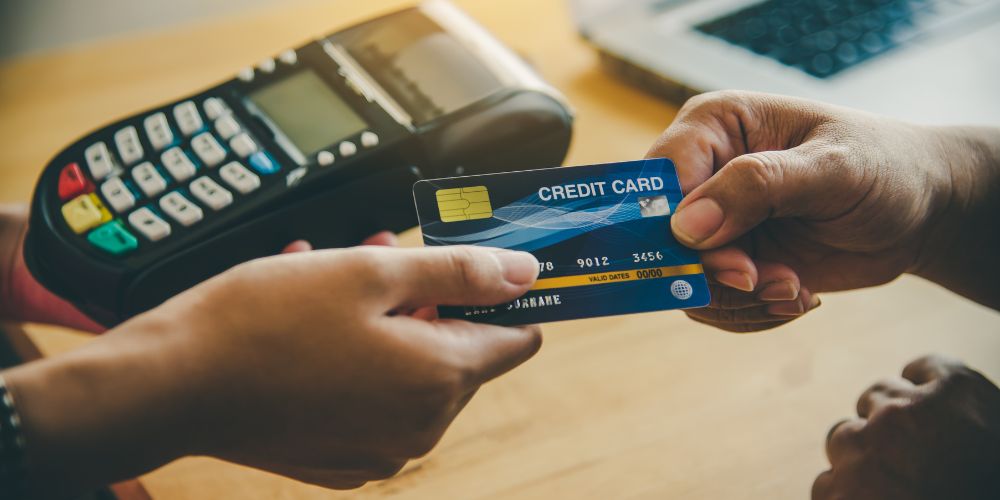
The checkout process is one of the most critical parts of the customer experience in retail. Long lines and slow transactions are common complaints customers have, especially during peak hours. Traditional POS systems, which require customers to wait in line at a specific terminal, contribute to these delays.
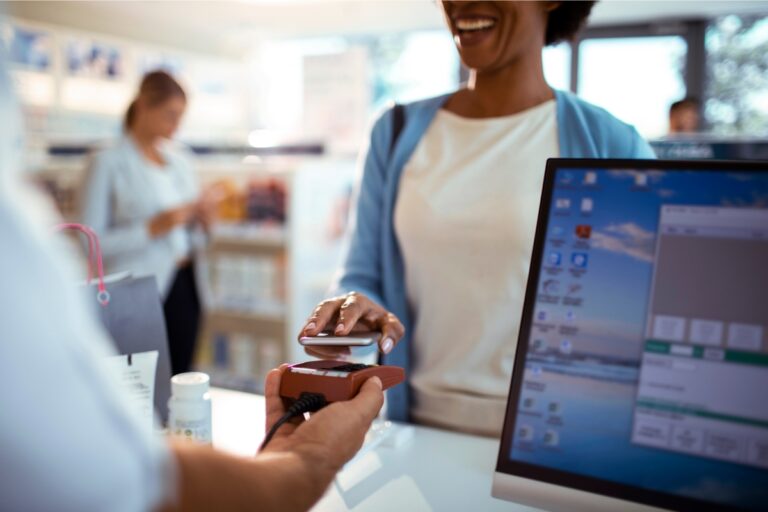
If your store is still relying on a stationary POS system, it may be time for an upgrade. A modern mobile POS system allows your staff to complete transactions from anywhere in the store. This flexibility reduces wait times and allows your employees to serve customers more efficiently. Whether processing credit card payments or handling digital wallets, a mobile POS can speed up the checkout process and create a smoother experience for everyone involved.
2. Trouble Managing Inventory
Managing inventory is one of the biggest challenges for retailers. Without real-time updates and easy tracking, stores can easily find themselves overstocked or understocked, leading to missed sales opportunities or wasted space.
A mobile POS system solves this problem by offering real-time inventory tracking and management. Staff can quickly check stock levels, update quantities, and reorder products as needed—all from their mobile devices. Whether you’re on the floor helping customers or in the back office, the system provides immediate access to inventory information, helping you maintain better control over stock levels.
Additionally, mobile POS systems offer integration with inventory management software, making it easier to see what’s selling, what’s not, and what needs to be reordered. This helps prevent mistakes, improves efficiency, and ensures that popular items never run out of stock.
3. Lack of Flexibility and Mobility
If your POS system is still stuck at a single, stationary terminal, it’s limiting the flexibility of your store. Customers expect a more personalized shopping experience, which can be difficult to provide when staff are tied to a checkout counter.
With a mobile POS, your staff can process sales from anywhere in the store, whether on the shop floor or at the fitting room. This added mobility allows employees to assist customers more efficiently, answer questions, and complete transactions while customers continue browsing. It also means there’s no need for employees to leave the shop floor just to check inventory or look up product information.
By offering more mobility, a mobile POS enhances the overall shopping experience, making it easier for your team to engage with customers and boost sales. Customers appreciate quick and efficient service, and a mobile POS system makes it easy for your team to deliver just that.
4. Lack of Access to Real-Time Data
Data is crucial when it comes to running a successful retail business. With the right data, you can understand customer behavior, track sales trends, and adjust your inventory accordingly. Traditional POS systems often provide limited reporting features or only offer data updates at the end of the day, which can be frustrating for store owners who need insights in real time.
A mobile POS system, however, provides access to data as it happens. From sales numbers and customer preferences to inventory updates, a mobile POS system gives you real-time insights. This allows you to make more informed decisions on the fly—whether it’s adjusting your staffing levels during peak times or quickly identifying top-selling products.
For example, if a particular product is flying off the shelves, you can instantly place a reorder to ensure you never run out of stock. Real-time access to data can improve decision-making and help you stay on top of your business operations.
5. Difficulty Integrating with Other Business Systems
As retail businesses grow, they often find themselves using multiple systems to handle different aspects of operations, such as accounting, customer management, and marketing. However, many traditional POS systems don’t integrate well with other software, requiring hours of manual data entry and increasing the chances of errors.
Mobile POS systems, on the other hand, can seamlessly integrate with other business software. This means you don’t have to worry about entering the same information into multiple platforms. Whether you need to sync sales data with your accounting system or link customer purchases to your CRM, a mobile POS makes it easy to connect all your systems.
These integrations help streamline operations and reduce the chances of human error. As a result, your team can spend less time on administrative tasks and more time focusing on customers and sales.
If you recognize any of these signs in your retail business, it may be time to consider upgrading to a mobile POS system. With the ability to speed up checkout times, streamline inventory management, improve mobility, and provide real-time data, a mobile POS can transform the way your business operates.
One option to consider is RCKT Mobile POS, which offers all these features and more. With its ability to integrate with other systems, boost operational efficiency, and enhance the customer experience, upgrading to RCKT Mobile POS could be the next step in ensuring your store’s success.
Conclusion
Retail is an ever-evolving industry, and staying ahead requires using the best tools available. Outdated POS systems simply cannot keep up with the demands of modern retail. If your store is facing challenges like slow checkout times, inefficient inventory management, and a lack of mobility, it’s time to make a change.
Upgrading to a mobile POS system offers flexibility, efficiency, and improved customer experiences, all of which are key to staying competitive. Don’t wait for problems to worsen—consider upgrading to a mobile POS system today and set your store up for long-term success.
About the Author