Thermal Paper Rolls: A Complete Guide for Everyday Business Use
In today’s fast-paced retail and business world, thermal paper rolls play a crucial role in daily operations. Whether it’s a supermarket billing counter, a POS system in a restaurant, or an ATM, thermal paper is the hidden hero that ensures every transaction is recorded clearly and efficiently. But what exactly are thermal paper rolls, how do they work, and why are they so important for businesses? Let’s explore everything you need to know.
What Are Thermal Paper Rolls?
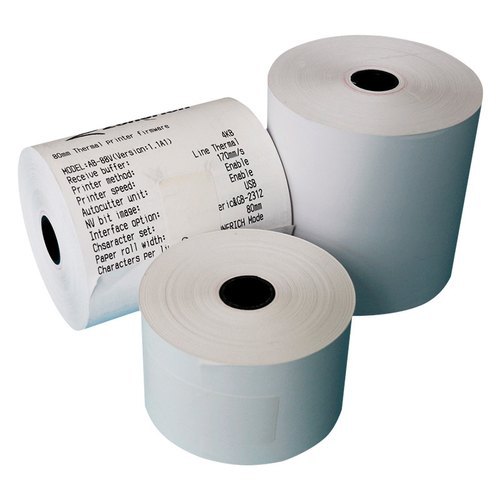
Thermal paper rolls are special types of paper coated with heat-sensitive chemicals. Unlike regular printing paper, they don’t require ink or toner. Instead, when the paper passes through a thermal printer, heat from the print head activates the coating and forms text or images. This makes the process fast, quiet, and cost-effective.
The result is a clean, smudge-free print that’s ideal for receipts, tickets, and invoices. Because of their convenience, thermal papers are used across multiple industries — from retail and banking to healthcare and logistics.
How Do Thermal Paper Rolls Work?
The working principle of thermal paper rolls is based on heat reaction technology. Each roll has a layer of dye and developer that reacts when exposed to heat. When a thermal printer applies heat in specific patterns, the coating changes colour (usually black), forming the printed image or text.
There are two types of thermal printing methods:
- Direct Thermal Printing:
- This method uses heat directly on the coated paper. It’s ideal for short-term prints such as receipts or labels that don’t need to last long.
- Thermal Transfer Printing:
- This method uses a ribbon between the printer head and the paper. It offers more durability and is often used for barcodes or product labels.
Common Uses of Thermal Paper Rolls
Thermal paper rolls are used in almost every business that issues receipts or tickets. Some of the most common uses include:
1. Point of Sale (POS) Systems
Retail shops, restaurants, and supermarkets rely on POS thermal paper rolls for quick and clear billing. The print quality ensures every detail—price, tax, and date—is readable.
2. ATM Machines
Banks use ATM paper rolls to print transaction summaries and balance slips instantly. The speed and reliability of thermal printing make it ideal for high-traffic areas.
3. Parking and Transport Tickets
Bus stations, parking meters, and toll booths all use thermal tickets because they are quick to print and resistant to smudging.
4. Medical and Laboratory Reports
Hospitals and labs use thermal printers for printing ECG reports, test results, and labels for specimens.
5. Logistics and Warehousing
Shipping labels, tracking slips, and barcode tags are commonly printed using thermal label rolls, ensuring clarity and durability.
Related more articles, portable printer price in pakistan
Benefits of Using Thermal Paper Rolls
Businesses choose thermal paper rolls for good reasons. Here are some of their main benefits:
1. No Ink or Toner Required
Unlike traditional printers, thermal printers don’t need cartridges. This saves ongoing costs and reduces maintenance.
2. Fast and Efficient Printing
Thermal printers are much faster than regular inkjet printers, allowing businesses to serve customers quickly—especially during peak hours.
3. Clear and Smudge-Free Results
The high print quality ensures that every character and barcode is sharp, improving record accuracy.
4. Durable and Long-Lasting
High-quality thermal paper can resist fading, moisture, and heat for months, making it reliable for record-keeping.
5. Cost-Effective and Low Maintenance
Fewer moving parts and no ink requirements mean lower maintenance costs and fewer breakdowns.
How to Choose the Right Thermal Paper Rolls
Not all thermal papers are the same. Choosing the right type ensures smooth operation and long-lasting prints. Consider these factors when buying:
1. Size and Compatibility
Thermal rolls come in various sizes, like 80mm x 80mm, 57mm x 40mm, and 110mm x 70mm. Always check your printer’s manual to match the correct size.
2. Paper Quality
Go for BPA-free paper to ensure safety and longevity. Premium paper provides better contrast and prevents printer head damage.
3. Length of the Roll
Longer rolls mean fewer replacements and less downtime during operations.
4. Supplier Reliability
Buy from a trusted supplier who guarantees consistent quality and proper packaging. Poor-quality rolls can jam printers and cause fading.
Storage and Handling Tips
To maintain print quality, store thermal paper rolls in a cool, dry environment away from sunlight, heat, and humidity. Avoid exposure to oil, plasticizers, and water. If stored properly, the prints can last up to 5–7 years.
Environmental Considerations
Modern thermal papers are moving toward eco-friendly formulations. BPA-free and phenol-free options are now available, reducing environmental harm. Some brands even offer recyclable or biodegradable paper rolls, helping businesses stay sustainable while maintaining quality.
Conclusion
In short, thermal paper rolls are a vital part of every business that values speed, clarity, and efficiency. From supermarkets to hospitals, they ensure smooth transactions and reliable records. When you choose high-quality thermal rolls, you’re not just improving print quality—you’re investing in your business’s professionalism and customer experience.
Whether you’re printing receipts, tickets, or labels, using the right thermal paper roll can make all the difference.
