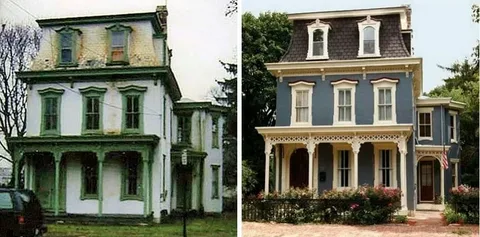
Old house restoration is an intricate process that involves much more than just fixing up a dated property. It’s about preserving the history, character, and architectural beauty of a historic home while updating it for modern living standards. Whether you are restoring an old family home or purchasing a historic house, understanding the principles and processes of restoration is key to successfully breathing new life into the property. In this article, we will explore the steps involved in old house restoration, tips for maintaining the home’s historical integrity, and how to enhance its value without compromising its original charm.
What Is Old House Restoration?
Old House Restoration is the practice of returning a historic property to its original condition, or as close to it as possible, by repairing or replacing original elements that have worn over time. Unlike renovation or remodeling, which might involve significant changes to the layout and structure, restoration focuses on preserving the unique features of the home, such as woodwork, flooring, windows, and architectural details, while integrating necessary updates to meet modern living standards.
The Importance of Old House Restoration
Restoring an old house is not just about improving its aesthetics. It’s about respecting the history of the building and its original craftsmanship. By restoring old homes, we preserve cultural heritage, reduce waste, and create homes that blend the old with the new in a way that maintains their character while offering the comforts of modern life. A well-restored home can also increase in value, making it a smart investment for homeowners and property developers.
Key Steps in Old House Restoration
Restoring an old house requires a clear plan, skilled labor, and attention to detail. It’s a multifaceted process that requires an understanding of both the home’s original design and modern construction techniques. Here are the key steps to consider when embarking on an old house restoration project.
Assessment and Planning
The first step in any restoration project is a thorough assessment of the property. This includes examining the structural integrity of the building, checking for any foundational issues, and identifying areas that need immediate attention, such as roof leaks, foundation cracks, or electrical wiring problems. Once you understand the scope of the work, you can develop a detailed restoration plan that outlines the goals, timelines, and budget.
Preserving Original Features
One of the hallmarks of old house restoration is the careful preservation of original features. This can include restoring original wood floors, repairing period-specific doors and windows, and preserving unique architectural elements such as moldings, fireplaces, and staircases. It’s important to maintain these details as they contribute to the overall character of the home.
Updating Systems and Infrastructure
While maintaining the original charm of the house is important, certain systems and infrastructure must be updated to meet modern standards. This includes updating plumbing, electrical systems, and insulation to ensure the home is safe, energy-efficient, and functional. It’s important to integrate these updates seamlessly so that they don’t detract from the home’s historic appeal.
Restoring or Replacing Materials
Over time, materials in old houses deteriorate. For example, wooden window frames may rot, and plaster walls may crack. The goal of restoration is to fix these issues while keeping the materials as true to their original state as possible. In some cases, it may be necessary to replace materials, but the replacement should closely match the original materials in color, texture, and design.
Tips for Maintaining Historical Integrity During Restoration
Restoring an old house is an art in itself. Maintaining the home’s historical integrity while updating it for modern comfort is a delicate balance. Here are some tips for maintaining historical accuracy during the restoration process:
Research the Home’s History
Before starting the restoration, it’s essential to research the history of the house. Understanding the architectural style, the materials used in the original construction, and any historical events associated with the house can provide valuable insights. Researching the house’s past can help you make informed decisions about which features to preserve and how to restore them authentically.
Work with Specialists
Old houses often require specialized knowledge and skills. Working with contractors who have experience in historic restoration can ensure that the work is done correctly. From artisans skilled in restoring original woodwork to architects who understand the nuances of vintage plumbing and electrical systems, having the right specialists on board will help preserve the home’s integrity.
Use Authentic Materials
Whenever possible, use authentic or historically accurate materials for the restoration. This might include sourcing original brick, tile, or wood to match the home’s original materials. If these materials are no longer available, seek out alternatives that replicate the original look and feel as closely as possible.
Benefits of Old House Restoration
Old house restoration offers numerous benefits, both from a practical and an emotional perspective. Whether you’re restoring a family heirloom or a vintage property, the process of bringing an old house back to life can be highly rewarding.
Increased Property Value
A well-restored home can significantly increase its market value. Buyers often seek out homes that offer a blend of historical charm and modern amenities. Restoring an old house can turn it into a desirable, unique property that stands out from newer homes.
Preservation of Heritage and Culture
Old house restoration helps preserve cultural and architectural heritage, maintaining the charm and character of neighborhoods. These homes often represent the stories of previous generations and reflect the history of the area, adding cultural value to the community.
Sustainable Living
Restoring an old house is an environmentally friendly alternative to demolishing it and building new. By repurposing existing structures and materials, you reduce construction waste and preserve resources, making old house restoration a sustainable choice.
Conclusion
Old house restoration is a labor of love that requires patience, expertise, and careful planning. By restoring an old house, you not only preserve its historical charm but also contribute to the cultural and architectural fabric of your community. Whether you’re interested in maintaining the house’s original features or integrating modern amenities, restoration allows you to breathe new life into a piece of history. With careful attention to detail and a focus on preserving the integrity of the home, an old house restoration project can result in a beautiful, functional, and valuable property.
