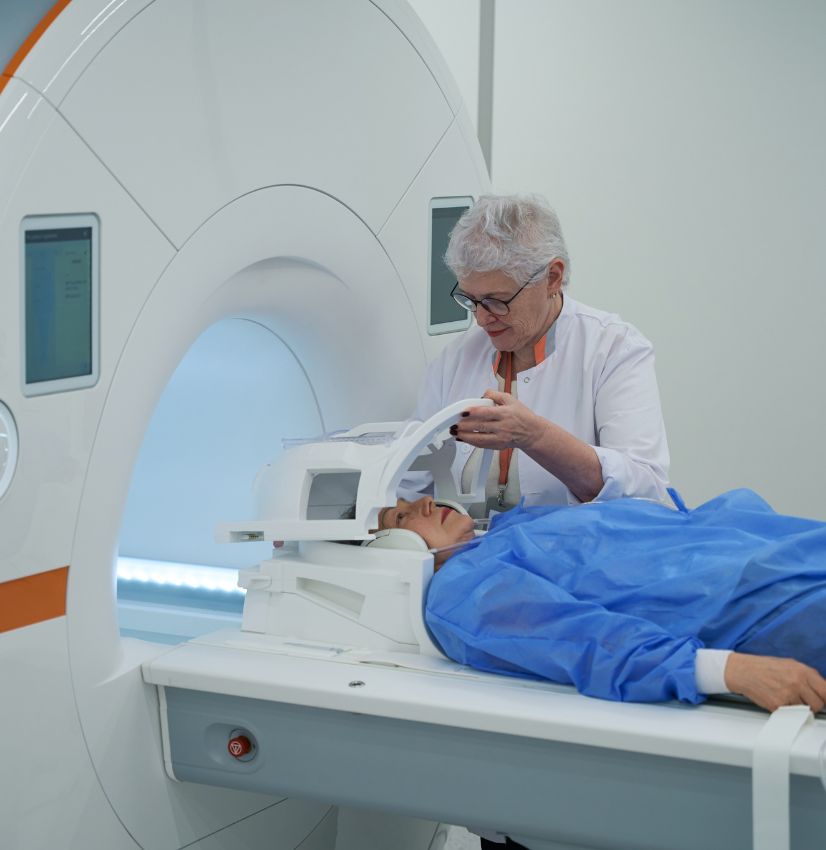
Have you ever stepped on the scale, seen a number, and wondered what it truly means? While weight can tell you how heavy you are, it doesn’t explain what that weight is made of. That’s where a DEXA scan (Dual-Energy X-ray Absorptiometry) comes in — offering a precise and detailed look at your body fat, muscle mass, and bone density.
Understanding your body composition can transform the way you approach fitness, health, and nutrition. Unlike BMI or standard weighing scales, DEXA reveals what’s really happening inside your body — helping you make smarter, data-driven decisions for your wellbeing.
What Exactly Is a DEXA Scan?
A DEXA scan is a medical imaging test that uses low-dose X-rays to measure bone mineral density and body composition. Originally developed to assess bone health and detect osteoporosis, it has evolved into the gold standard for analyzing fat distribution and lean muscle mass.
The technology works by passing two different energy beams through the body. Because bone, fat, and muscle absorb X-rays differently, the machine can calculate precise tissue percentages and spatial distribution across different regions of the body.
The Science Behind It
Unlike traditional imaging or estimation tools, DEXA can detect minute differences in tissue composition. This makes it far more accurate than methods such as bioelectrical impedance (BIA) or caliper tests — especially for athletes or those tracking subtle body changes.
The DEXA Scan Process: What to Expect
Getting a DEXA scan is simple, painless, and quick.
- Before the scan: You’ll be asked to wear comfortable clothing without metal fasteners. Avoid large meals or caffeine before the appointment.
- During the scan: You’ll lie still on a padded table while a scanning arm passes over your body for about 10–20 minutes.
- After the scan: You can resume normal activities immediately. Results are usually ready within minutes and include a detailed report showing fat, muscle, and bone data.
Comfort and Safety
The radiation exposure from a DEXA scan is extremely low — less than what you’d get from a short flight. It’s completely safe for regular use, even for older adults or those with medical conditions.
Key Metrics You’ll Learn from a DEXA Body Composition Report
Your DEXA report provides insights far beyond basic weight or BMI. Here’s what it includes:
- Total Body Fat Percentage: Measures the amount and location of fat in your body.
- Lean Muscle Mass: Shows how much of your weight comes from muscle.
- Bone Mineral Density (BMD): Detects early signs of bone loss or osteoporosis.
- Regional Distribution: Breaks down data by arms, legs, trunk, and other areas for targeted improvement.
Spotlight on Visceral Fat
Visceral fat — the fat surrounding your internal organs — is the most dangerous type. A DEXA scan helps identify unhealthy fat storage even when you appear slim, allowing you to act before it leads to chronic disease.
How DEXA Compares to Other Body Composition Methods
| Method | Accuracy | Measures Bone Density | Tracks Regional Fat | Notes |
|---|---|---|---|---|
| DEXA Scan | ⭐⭐⭐⭐⭐ | ✅ Yes | ✅ Yes | Gold Standard |
| BIA Scale | ⭐⭐ | ❌ No | ❌ No | Affected by hydration |
| Skinfold Calipers | ⭐ | ❌ No | ❌ No | Inaccurate for most users |
| Hydrostatic Weighing | ⭐⭐⭐ | ❌ No | ❌ No | Time-consuming and costly |
DEXA stands apart because it provides quantifiable precision. It doesn’t rely on estimations or electrical signals — it measures your actual tissue composition.
The Benefits of Getting a DEXA Scan
- Accurate Fitness Tracking – Monitor fat loss and muscle gain over time.
- Health Risk Detection – Identify potential issues like low bone density or visceral fat early.
- Custom Nutrition & Training Plans – Nutritionists and trainers can use your results to fine-tune diet and exercise regimens.
- Motivation & Accountability – Seeing measurable improvements keeps you on track toward your goals.
For Everyone
Whether you’re a professional athlete, a fitness enthusiast, or simply someone aiming to live healthier, DEXA data helps you make informed, personalized decisions.
DEXA Scans and Weight Management
Weight loss is not always about losing pounds — it’s about losing fat while maintaining or building muscle. A DEXA scan allows you to track this balance precisely.
Unlike BMI, which can misclassify muscular individuals as overweight, DEXA shows your true fat-to-muscle ratio. This makes it an invaluable tool for those on structured weight-loss or body-recomposition programs.
Experts recommend scheduling scans every 3–6 months to monitor your progress accurately and adjust your training or diet accordingly.
Who Should Consider a DEXA Scan?
- Athletes and Bodybuilders: To measure muscle symmetry and recovery progress.
- Older Adults: To detect early signs of bone loss or osteoporosis.
- Individuals with Health Conditions: Such as diabetes, thyroid issues, or metabolic disorders.
- People on Weight-Loss Journeys: To ensure fat loss instead of muscle loss.
- Fitness Trainers and Coaches: To design precise client programs.
In essence, anyone who wants a complete picture of their health can benefit from a DEXA scan.
Are DEXA Scans Safe? Understanding Risks and Limitations
DEXA scans are considered one of the safest diagnostic tools.
- Radiation: Exposure is minimal — much less than a dental X-ray.
- Limitations: Slight variations may occur due to hydration or recent meals.
- Precautions: Pregnant individuals should avoid scans unless medically necessary.
Cost and Accessibility: Where to Get a DEXA Scan
In Australia, a DEXA scan typically costs between AUD $90 to $150, depending on the location and facility. Some health insurance providers may cover part of the cost, especially for bone density tests.
When choosing a clinic, ensure it’s accredited and staffed with trained technicians who can interpret your results accurately.
Understanding and Interpreting Your Results
A DEXA report includes colorful charts and numerical values that show your fat percentage, lean mass, and bone density. Healthy fat ranges differ by gender and age, but generally:
- Men: 10–20% body fat
- Women: 18–28% body fat
For the best insights, compare your results over time. Regular scans help track progress and guide long-term fitness or medical strategies.
Future of Body Composition Analysis
While DEXA remains the current gold standard, new technologies are emerging — such as 3D optical scanners, AI-driven analytics, and portable DEXA units. These tools will make advanced body monitoring more accessible and personalized in the years ahead.
Conclusion: Know Your Body, Transform Your Health
A DEXA scan offers more than just numbers — it provides clarity. It shows exactly what your body is made of, empowering you to make better choices for your fitness, health, and longevity.
Instead of guessing your progress or relying on the scale, you can now see measurable results and take control of your wellness journey.
Ready to discover what your scale can’t tell you? Book a DEXA scan today and start understanding your body from the inside out.
Frequently Asked Questions (FAQs)
1. What is the main purpose of a DEXA scan?
It provides a detailed measurement of body fat, lean muscle, and bone density, giving you a complete understanding of your body composition.
2. Is a DEXA scan painful or uncomfortable?
No. The scan is completely painless and non-invasive, typically lasting 10–20 minutes.
3. How often should I get a DEXA scan?
Every 3–6 months is ideal for tracking changes in muscle mass or fat percentage.
4. Does a DEXA scan expose you to harmful radiation?
No. The radiation dose is extremely low — lower than a single short flight.
5. Can athletes benefit from DEXA scans?
Yes. It helps them measure muscle balance, recovery, and fat reduction accurately.
6. Is a DEXA scan helpful for weight loss?
Absolutely. It helps differentiate between fat loss and muscle gain, ensuring effective results.
7. Is it safe for older adults or those with medical conditions?
Yes. DEXA scans are widely used for bone health assessment and safe for routine monitoring.
