




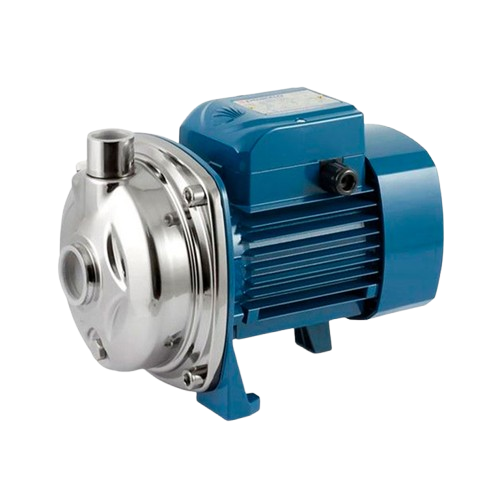
In industries where high pressure and consistent flow are essential, multistage pumps have become a preferred solution. These pumps are engineered to handle tasks that require transferring fluids across long distances or to great heights, making them indispensable in sectors such as water treatment, power generation, mining, and oil and gas. This article delves deep into how multistage pumps work, their types, benefits, and the reasons they outperform traditional single-stage pumps in demanding applications.
What Are Multistage Pumps?
A multistage pump is a type of centrifugal pump that contains multiple impellers (or stages) arranged in series within the same casing. Each stage boosts the pressure of the fluid incrementally before transferring it to the next, allowing the pump to deliver much higher pressures than a single impeller could achieve alone. This design makes multistage pumps ideal for applications requiring high head and low to moderate flow rates.
The impellers in a multistage pump are typically mounted on a single shaft and enclosed in one casing, which ensures efficient energy transfer and minimal leakage. The overall result is improved hydraulic performance and reduced energy consumption.
Working Principle of Multistage Pumps
The working mechanism of multistage pumps is based on centrifugal force. As the fluid enters the first impeller, it gains velocity and pressure. It is then directed to the next impeller stage, where additional pressure is added. This process continues through all stages until the desired pressure is achieved at the outlet.
Each stage increases the pressure proportionally, allowing the system to be tailored for specific industrial needs. Engineers often select the number of stages based on the head and flow requirements of the application.
Applications of Multistage Pumps
Due to their efficiency and pressure capabilities, multistage pumps are widely used in various industries. Some of the most common applications include:
- Water Supply and Distribution Systems – Ideal for municipal and industrial water transfer over long distances or elevated terrains.
- Boiler Feed Systems – Frequently used to feed high-pressure boilers in power plants due to their ability to handle hot water efficiently.
- Reverse Osmosis Systems – Provide the necessary pressure for desalination and water purification processes.
- Mining and Dewatering Operations – Used for transferring fluids from deep underground mines or controlling groundwater levels.
- HVAC Systems – Help circulate chilled or heated water efficiently across large commercial buildings.
Advantages of Multistage Pumps
1. High Pressure Capability:
Multistage pumps can achieve significantly higher discharge pressures compared to single-stage pumps, making them suitable for high-lift or long-distance pumping applications.
2. Energy Efficiency:
Due to their design, these pumps operate with high efficiency and minimal energy loss, reducing operational costs over time.
3. Compact and Space-Saving Design:
Despite offering high pressure output, multistage pumps are relatively compact, saving valuable floor space in industrial environments.
4. Customizable Performance:
The number of stages can be adjusted to meet specific pressure and flow requirements, providing flexibility in system design.
5. Reliability and Durability:
Constructed from robust materials like stainless steel or cast iron, multistage pumps offer excellent corrosion and wear resistance, ensuring a long service life even in harsh environments.
Types of Multistage Pumps
There are two main types of multistage pumps:
- Horizontal Multistage Pumps: Best suited for applications requiring moderate pressure and easy maintenance.
- Vertical Multistage Pumps: Designed for high-pressure, space-saving applications where floor area is limited.
Both types have their own advantages, and the choice depends on the operational environment, space constraints, and required pressure.
Why Choose Multistage Pumps for Industrial Operations?
Industries are increasingly relying on multistage pumps due to their unmatched performance, energy efficiency, and reliability. They play a vital role in ensuring uninterrupted operations in critical sectors, especially where maintaining pressure consistency is crucial. Furthermore, advancements in materials and sealing technology have made modern multistage pumps even more durable and efficient, minimizing downtime and maintenance costs.
Conclusion
Multistage pumps are an engineering marvel that combine precision, power, and performance. Their ability to deliver high pressure with superior efficiency makes them indispensable in industrial and commercial operations. As industries continue to demand more sustainable and efficient fluid handling systems, multistage pumps will remain at the forefront of modern engineering solutions, driving productivity and operational excellence.
About the Author