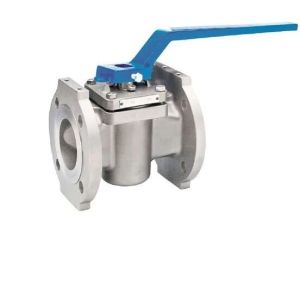
In modern industries, the demand for reliable and safe flow control equipment is higher than ever. Industrial operations involve handling various liquids and gases, many of which are corrosive, toxic, or reactive. In such conditions, the right type of valve can make a major difference in ensuring safety, minimizing downtime, and improving operational performance. Among the different types of industrial valves, the PFA lined plug valve stands out for its excellent chemical resistance, durability, and long-term efficiency.
These valves are widely used across industries such as chemicals, pharmaceuticals, water treatment, and power generation. They are designed to handle harsh conditions while ensuring leak-free performance and smooth operation. Let’s understand in detail how PFA lined plug valves and PTFE lined plug valves contribute to making industrial systems safer and more efficient.
Understanding PFA Lined Plug Valves
A PFA lined plug valve is a type of quarter-turn valve used to control the flow of fluids or gases in pipelines. The valve consists of a cylindrical or tapered plug that rotates inside the valve body. The plug has a hole through its center, and when it aligns with the pipeline, fluid flows freely. When rotated 90 degrees, the flow stops completely.
What makes this valve special is its internal lining. The inside surfaces of the valve body and plug are coated with PFA (Perfluoroalkoxy alkane), a type of fluoropolymer material. This lining acts as a protective barrier between the valve’s metal body and the process fluid. It resists corrosion, prevents contamination, and enhances the valve’s service life.
PFA vs PTFE Lined Plug Valves
While both PFA and PTFE are fluoropolymers known for their excellent chemical resistance, they have slight differences that affect performance.
A PTFE lined plug valve uses Polytetrafluoroethylene (PTFE) as the lining material. PTFE is widely known for its non-stick surface and resistance to most chemicals. However, PFA, which stands for Perfluoroalkoxy, offers a few added benefits:
- It provides better mechanical strength.
- It has higher resistance to stress cracking.
- It offers smoother surface finishes, which improve sealing and reduce friction.
Because of these advantages, many industries prefer PFA lined plug valves for high-purity and high-corrosion applications. At the same time, PTFE lined plug valve manufacturers continue to supply both types since each has its own strengths depending on the process requirements.
Safety Benefits of PFA Lined Plug Valves
Safety is one of the most important factors in industrial fluid handling. Any leak or corrosion can lead to hazardous conditions, equipment damage, or production loss. The PFA lined plug valve plays a critical role in ensuring a safe environment through the following features:
1. Corrosion Resistance
Industrial fluids often contain strong acids, bases, or solvents that can quickly corrode metal valves. The PFA lining acts as a shield, preventing direct contact between the metal body and the fluid. This ensures long-lasting protection against chemical attack and keeps the valve safe even in the harshest environments.
2. Leak-Proof Design
A major cause of accidents in process industries is leakage from valves. The smooth and flexible nature of the PFA lining ensures a tight seal when the valve is closed. This minimizes leakage, prevents chemical exposure, and keeps the surrounding environment safe.
3. Thermal Stability
PFA materials can handle high temperatures without softening or losing their mechanical properties. This feature makes the PFA lined plug valve suitable for hot and reactive fluids, reducing the risk of thermal failure.
4. Non-Contaminating Surface
In industries like pharmaceuticals or food processing, contamination must be avoided at all costs. The non-stick surface of PFA ensures that no residues build up inside the valve. This maintains product purity and prevents unwanted reactions.
By incorporating PFA lined plug valves or PTFE lined plug valves, industries can significantly lower their risk of leaks, corrosion, and contamination — all of which contribute to improved operational safety.
Efficiency Advantages of PFA Lined Plug Valves
Apart from safety, efficiency is another major factor driving the adoption of lined plug valves. A valve that operates smoothly, lasts long, and requires minimal maintenance contributes directly to productivity and cost savings.
1. Low Maintenance Needs
The PFA lining prevents scaling, sticking, and corrosion. As a result, the valve requires less frequent cleaning and servicing. This reduces downtime and saves labor costs associated with maintenance.
2. Smooth Operation
The frictionless surface of the PFA lining allows easy plug rotation, even after prolonged use. Operators can open or close the valve with minimal effort. This feature helps ensure consistent flow control and quick shut-off when required.
3. Extended Service Life
Because the lining prevents chemical attack and wear, the overall lifespan of the valve increases. Industries can rely on PFA lined plug valves for years without worrying about frequent replacements, thus reducing long-term expenses.
4. Versatile Performance
These valves can handle a wide range of fluids — from highly acidic to alkaline — as well as gases and slurries. Their adaptability makes them suitable for various applications, improving the overall efficiency of plant operations.
5. Tight Sealing and Reduced Downtime
In continuous production processes, even a small leakage or valve failure can cause costly downtime. The tight sealing design of PFA lined plug valves ensures uninterrupted operation, which improves the system’s overall performance.
Applications of PFA and PTFE Lined Plug Valves
The strength, chemical resistance, and reliability of lined plug valves make them suitable for many industrial processes. Some of the major applications include:
- Chemical Processing Plants: For transferring strong acids, alkalis, and solvents without corrosion.
- Pharmaceutical Industry: For maintaining hygiene and preventing contamination in clean environments.
- Water and Wastewater Treatment: For handling aggressive chemicals used in treatment processes.
- Power Generation Plants: For managing high-temperature and corrosive fluids safely.
- Food and Beverage Industry: For ensuring safe and clean handling of fluids.
Many plug valve manufacturers in India produce both PFA and PTFE lined plug valves to meet these diverse industrial needs. They follow strict quality control processes to ensure every valve meets international standards for performance and safety.
Why Choose a Reliable Manufacturer
Selecting the right valve is only part of the process. Choosing the right plug valve manufacturer in India is equally important. Reliable manufacturers ensure that their valves are produced with precision, using high-quality raw materials and advanced lining technology. They also test their products thoroughly for leak tightness, pressure handling, and chemical compatibility.
Whether you choose a PTFE lined plug valve or a PFA lined plug valve, sourcing from trusted PTFE lined plug valve manufacturers guarantees consistent quality and performance. A reliable supplier also provides technical support, helping industries select the right valve type based on their process conditions.
Conclusion
The PFA lined plug valve has become an essential component in modern industrial operations. Its unique combination of chemical resistance, durability, and low maintenance makes it ideal for handling aggressive and high-temperature media. By preventing leaks and corrosion, it enhances plant safety, while its smooth operation and long service life improve overall efficiency.
Both PFA lined plug valves and PTFE lined plug valves offer dependable performance for various industries. With the support of an experienced plug valve manufacturer in India, businesses can achieve greater safety, longer equipment life, and improved operational reliability. In today’s competitive industrial environment, these valves not only protect equipment and workers but also contribute significantly to sustainable and cost-effective operations.
