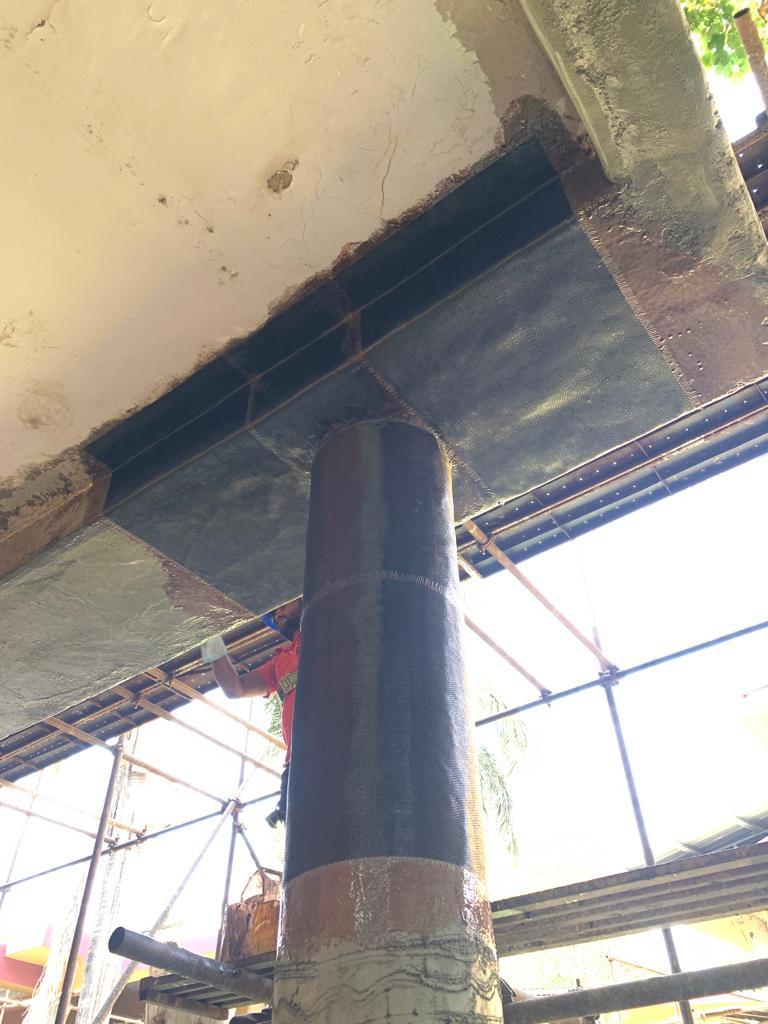
Modern construction faces many challenges, from aging structures to increasing load demands. Flexural strengthening services have become essential to enhance the bending capacity of beams, slabs, and other concrete elements. Whether in residential, commercial, or infrastructure projects, these techniques restore strength, improve safety, and extend the structure’s life without complete replacement, offering both cost-effective and sustainable solutions.
What Is Flexural Strengthening?
Flexural strengthening is the process of improving a structure’s ability to resist bending and cracking under loads. Over time, buildings may lose their strength due to corrosion, poor design, or material deterioration. By applying modern materials such as carbon fiber wraps, steel plates, or fiber-reinforced polymers (FRP), engineers can reinforce existing members. This process increases load-bearing capacity and helps maintain safety standards in compliance with structural codes.
Why Flexural Strengthening Services Are Crucial
The demand for flexural strengthening services is rising as more structures show signs of distress due to age or changing usage patterns. When buildings are modified or extended, their beams and slabs often require additional support. Strengthening prevents sudden failures, improves service life, and ensures compliance with modern load requirements. It’s a preventive approach that reduces long-term maintenance costs while preserving the structure’s original design integrity.
Popular Methods Used in Flexural Strengthening
Several techniques are used in flexural strengthening depending on the condition and requirements of a structure. The most common methods include carbon fiber wrap application, steel plate bonding, fiber-reinforced polymer (FRP) laminates, and section enlargement. Each technique offers unique benefits in terms of strength, cost, and installation time. Among these, FRP wrapping has gained popularity due to its lightweight, corrosion-resistant, and easy-to-apply nature.
Carbon Fiber Wrap Technology
One of the most effective techniques in flexural strengthening services today is the use of carbon fiber wrap systems. These advanced composites are applied to concrete surfaces using high-strength epoxy resins. Once cured, they form a durable and flexible layer that enhances the flexural and shear capacity of beams and slabs. The process is quick, non-invasive, and ideal for buildings where downtime must be minimal, such as offices, bridges, and industrial plants.
Advantages of Flexural Strengthening Services
There are multiple advantages of opting for flexural strengthening services. They significantly increase the load-bearing capacity of existing structures without major demolition. The process reduces downtime, saves construction costs, and extends structural lifespan. Strengthened members resist cracking and deflection under high stress. Additionally, these methods are environmentally friendly because they reduce the need for new material production and large-scale reconstruction.
Applications of Flexural Strengthening
Flexural strengthening is widely used in various sectors. In the infrastructure industry, it’s used for bridges, flyovers, and tunnels. In the commercial and residential sectors, it’s ideal for restoring aging buildings or retrofitting to meet new load standards. Industrial facilities also use these services to strengthen slabs and beams supporting heavy machinery. These versatile applications make flexural strengthening an essential part of modern civil engineering solutions.
How Engineers Assess the Need for Strengthening
Before starting flexural strengthening services, a detailed structural assessment is crucial. Engineers inspect existing cracks, measure deflections, and evaluate reinforcement conditions. They often use tools like non-destructive testing (NDT) and load testing to determine the structural capacity. Based on this data, they design a customized strengthening plan that meets both safety requirements and project budgets. Proper evaluation ensures maximum effectiveness and long-term durability.
Flexural Strengthening vs. Structural Replacement
When buildings weaken, owners often face two choices: strengthening or replacement. While replacement is costly and time-consuming, flexural strengthening services provide an efficient alternative. They allow structures to regain their original or even higher strength levels without full demolition. This approach saves materials, reduces construction waste, and minimizes disruption to surrounding operations. For many property owners, strengthening is a smarter and more sustainable option.
Modern Materials and Techniques in Flexural Strengthening
The evolution of flexural strengthening has introduced high-performance materials like carbon fiber reinforced polymer (CFRP), glass fiber wraps, and epoxy-based systems. These materials offer excellent tensile strength, lightweight properties, and corrosion resistance. They can be applied on-site with minimal surface preparation, making them ideal for retrofitting projects. Modern techniques focus on precision application and quality control to achieve long-lasting and safe results.
Key Benefits for Property Owners and Builders
Property owners investing in flexural strengthening services gain both structural and financial benefits. Enhanced load capacity allows them to modify building usage—for example, converting residential floors into commercial spaces. Builders can also extend project lifespans and avoid potential legal or safety issues. For aging properties, strengthening ensures compliance with current standards, improving the asset’s overall value and reliability.
Future Trends in Flexural Strengthening Services
The future of flexural strengthening lies in innovation and sustainability. Engineers are now experimenting with smart materials that can self-monitor stress levels and report potential damage. Nanotechnology-based composites and automated application systems are also being developed. These advancements will make strengthening faster, more accurate, and longer-lasting, revolutionizing how infrastructure maintenance and retrofitting are carried out across India and globally.
Flexural strengthening services play a vital role in the long-term health of concrete structures. As cities expand and infrastructure ages, these techniques provide reliable and affordable solutions to restore and enhance strength. By using advanced materials and proven engineering practices, property owners and builders can ensure safety, sustainability, and value retention. Investing in flexural strengthening today means building a safer and stronger tomorrow.
Hyacorp Fillers Treatments in Dubai and Natural Body Balance
How Injury Lawyers Investigate Evidence to Win Your Case
How to Control Overthinking and Anxiety Naturally
Why Hiring a Registered Migration Agent for Your Student Visa Matters
Why Holidays to Kerala are the Ultimate Adventure for Western Families
