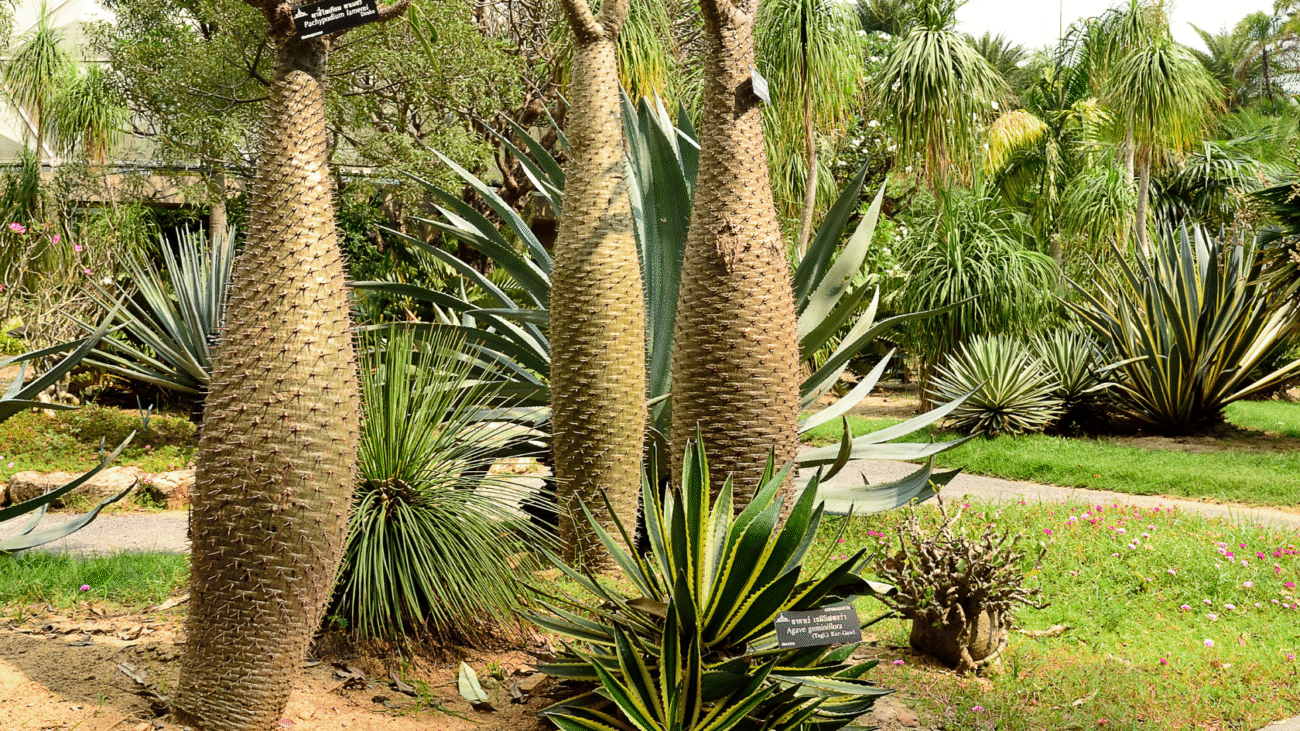
If you are looking to add a unique and exotic plant to your home or garden, the Pachypodium lamerei, commonly known as the Madagascar Palm, is an excellent choice. This striking succulent is known for its thick, spiny trunk and long, slender leaves that give it a palm-like appearance. Despite its name, it is not a true palm but a member of the Apocynaceae family. With proper care, the Pachypodium lamerei can thrive indoors or outdoors, providing a dramatic focal point for any space.
Understanding the Pachypodium Lamerei
The Pachypodium lamerei originates from the dry regions of Madagascar, where it has adapted to survive in harsh conditions. Its thick trunk stores water, allowing it to endure long periods of drought. The plant’s spiny exterior acts as a natural defense against herbivores, making it relatively low-maintenance once established. While it may look intimidating, it is actually quite manageable for gardeners who follow a few simple care rules.
Light Requirements
This plant thrives in bright, direct sunlight. Indoors, place it near a south-facing window where it can receive at least 6 hours of sunlight per day. Outdoors, ensure it is in a location that gets full sun but is protected from extreme heat, especially in the hottest parts of the day. Providing adequate light is essential for healthy growth and helps maintain the plant’s iconic spiny trunk.
Soil and Potting
Well-draining soil is crucial for the Pachypodium lamerei. A cactus or succulent potting mix works best, as it prevents water from sitting around the roots, which can lead to rot. If planting in a pot, choose one with drainage holes to allow excess water to escape. Adding small stones or sand to the soil mix can further improve drainage. Regularly check the roots to ensure they are healthy and not waterlogged.
Watering Guidelines
Watering is a critical aspect of caring for the Pachypodium lamerei. During the growing season, usually spring and summer, water the plant thoroughly but allow the soil to dry completely between watering. In the dormant season, typically fall and winter, reduce watering significantly. Overwatering can be fatal, so it is better to err on the side of underwatering rather than excess moisture.
Fertilizing Your Madagascar Palm
Feed your Pachypodium lamerei with a balanced, water-soluble fertilizer during the active growing season. Fertilize once every 4–6 weeks to encourage lush growth and vibrant leaves. Avoid fertilizing during dormancy, as this can stress the plant. Organic options like diluted compost tea can also be used as a gentle feeding alternative.
Temperature and Humidity
This plant prefers warm temperatures ranging between 65°F and 85°F (18°C – 29°C). While it can tolerate brief periods of cooler temperatures, prolonged exposure to cold may damage the plant. The Pachypodium lamerei is drought-tolerant and prefers low humidity environments, making it ideal for indoor spaces with controlled climate conditions.
Pruning and Maintenance
Pruning is not typically necessary for the Pachypodium lamerei, but removing dead or yellowing leaves can improve its appearance. Use gloves and be cautious of the spines when handling the plant. For outdoor plants, ensure that no pests or insects are damaging the leaves or trunk. Occasional cleaning of the leaves with a damp cloth will help the plant photosynthesize efficiently.
Repotting Tips
Repotting is required every 2–3 years or when the plant outgrows its container. Choose a slightly larger pot with excellent drainage. Carefully remove the plant from its current pot, ensuring minimal disturbance to the roots. Repotting is best done in the spring before the active growing season begins.
Common Problems and Solutions
- Root rot: Caused by overwatering. Ensure soil dries completely before watering again.
- Leaf drop: Can occur due to sudden changes in light or temperature. Gradually acclimate the plant to new conditions.
- Pests: Watch out for mealybugs or spider mites. Treat with insecticidal soap or neem oil.
Propagation
Propagating Pachypodium lamerei is typically done through seeds. Sow seeds in a well-draining soil mix and keep them in a warm, sunny spot. Germination can take several weeks, and young plants require careful attention to water and light. Cuttings are generally not recommended as the plant’s spiny trunk makes this method difficult.
Decorative Uses
Thanks to its unique appearance, the Pachypodium lamerei makes an excellent indoor accent or outdoor ornamental plant. Place it in living rooms, offices, or patios to add a tropical feel. Its architectural shape pairs well with minimalist décor, succulents, and other desert-inspired landscapes. Learn more
Conclusion
Caring for the Pachypodium lamerei does not have to be complicated. With bright light, well-draining soil, and careful watering, this Madagascar Palm can thrive for years, adding exotic beauty to your space. Remember to monitor its growth, protect it from extreme cold, and fertilize appropriately during the growing season. With these simple steps, you can enjoy a healthy, striking plant that becomes the centerpiece of your garden or indoor collection.
