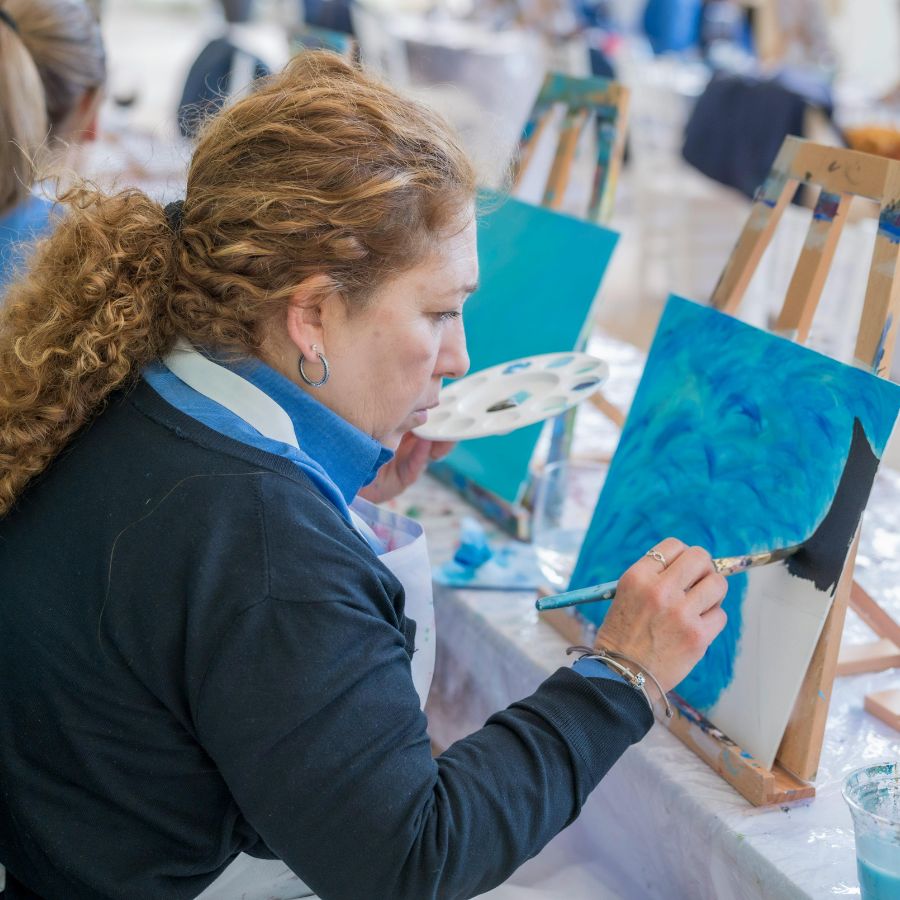
Art isn’t just for kids, students, or professional creators. In recent years, adults across all age groups have been joining art classes to rediscover creativity, improve mental well-being, build a new hobby, or finally pursue a passion they paused years ago. Whether you’ve never drawn a line or you’re returning to art after a long break, adult art classes are designed to be supportive, fun, and skill-boosting.
In this detailed guide, you’ll learn exactly what happens in these classes, the skills you’ll gain, the materials you’ll use, and how to choose the best course for your goals. By the end, you’ll know exactly what to expect—and why art classes for adults might be one of the best decisions you’ll make for yourself.
Who Are Adult Art Classes For?
Adult art classes are extremely inclusive and tailored for a wide range of learners:
- Complete beginners who have no artistic background
- Hobbyists who enjoyed art earlier and want to restart
- Creative professionals looking to upgrade skills
- Adults seeking relaxation or mental wellness
- Social seekers who want a creative community
- Aspiring artists considering a side hustle or career shift
No matter your starting point, adult art classes are designed to help you grow at your own pace.
Types of Art Classes Typically Offered
Art classes come in many forms, allowing you to explore different mediums and discover what you truly enjoy.
1. Drawing Fundamentals
Expect to work with pencils, charcoal, ink, markers, and more. Common techniques include:
- Shading and gradients
- Proportions and anatomy
- Contour and gesture drawing
- Perspective and depth
- Still life, portraits, and objects
Drawing is often the foundation for most other art forms, making it a great starting point.
2. Painting Classes
Painting classes may include acrylics, watercolours, oils, or gouache. You’ll learn:
- Colour theory and palette building
- Brushwork and blending
- Layering techniques
- Creating mood and atmosphere
- Abstract, landscape, and figure painting
Each medium has its own personality — acrylics are forgiving, watercolours are delicate, and oils allow rich blending and detail.
3. Pottery & Ceramics
If you love working with your hands, pottery is extremely satisfying. Typical lessons include:
- Hand-building (pinch, coil, and slab techniques)
- Wheel throwing
- Trimming and carving
- Glazing and kiln firing
- Creating bowls, cups, plates, sculptures, and decor
Most classes provide all tools and clay needed.
4. Digital Art Basics
For the tech-savvy or modern creator, digital art classes teach:
- Digital brushes and textures
- Using layers effectively
- Colouring techniques
- Photo editing and illustration
- Tools like Procreate, Photoshop, or Illustrator
5. Mixed Media & Creative Craft
These classes are perfect if you enjoy experimentation:
- Collage making
- Resin art
- Alcohol ink pieces
- Creative journaling
- Ink and watercolour combinations
Mixed media encourages creativity without rules.
What Happens During a Typical Art Class?
Here’s what a standard class session looks like, though every studio has its own style.
1. Orientation and Setup
The first few minutes are spent setting up:
- Getting your materials
- Understanding the class plan
- Safety instructions for tools, water, or clay
Most studios provide aprons and cleaning supplies.
2. Instructor Demonstration
Your instructor shows the technique or concept for the day. This can include:
- Live drawing or painting
- Step-by-step explanations
- Tool usage tips
- Colour mixing or stroke demonstrations
Watching a professional work is extremely helpful, especially for beginners.
3. Guided Practice
You’ll practice the skill with support from the instructor. Expect:
- Repeated exercises
- Hands-on help
- Correction of posture, strokes, or proportions
This is where learning becomes comfortable and confidence grows.
4. Independent Creative Time
After guided practice, you get time to work on a project:
- A still life
- A reference image
- Your own creative concept
This encourages exploration and builds your personal style.
5. Feedback and Wrap-Up
Instructors usually end with:
- Constructive critique
- Tips to refine your piece
- Optional assignments to practice at home
Feedback is always encouraging, never intimidating.
Skills You Will Develop in Adult Art Classes
1. Technical Art Skills
- Accurate drawing
- Shading and depth
- Colour theory
- Composition and balance
- Brush handling
- Sculpting or carving techniques
2. Creative Thinking
Art trains the mind to approach problems from new angles.
3. Confidence in Expression
You learn to trust your instincts and style.
4. Fine Motor Skills
Great for adults who want to improve hand control and coordination.
5. Visual Communication
Art teaches you how to express emotions and ideas visually.
Materials and Tools You Can Expect
Materials Usually Provided
- Pencils, charcoal, pastels
- Acrylic or watercolour paints
- Brushes and palettes
- Canvases and drawing paper
- Pottery wheels, clay, glazes
- Aprons and studio tools
Materials You Might Bring
- Sketchbook
- Personal brushes or tools
- Photo references
Material Fee Details
Some studios offer:
- One-time material fee
- Material kits for beginners
- Studio supplies included in the class price
Benefits of Adult Art Classes
1. Stress Relief & Mindfulness
Art is one of the best forms of meditation for adults. It calms the mind and improves emotional health.
2. Improved Focus
You learn to observe details and stay in the moment.
3. Social Environment
Meet people who share your interest in creativity and self-expression.
4. Creativity Boost
Art enhances imagination, which helps both personal and professional problem-solving.
5. Potential Side Hustle
Many adults eventually sell:
- Art prints
- Custom portraits
- Ceramics
- Handmade crafts
It’s a hobby that can become an income source.
Different Class Formats
1. In-Person Studio Classes
- Hands-on guidance
- Access to tools and equipment
- Social learning environment
2. Online Live Classes
- Learn from anywhere
- Real-time feedback
- Flexible timing
3. Self-Paced Online Courses
- Ideal for busy adults
- Learn anytime
- Suitable for introverts or independent learners
How to Choose the Right Art Class
- Check the instructor’s experience
- Look at student work and reviews
- Compare prices and materials included
- Identify your skill level
- Consider trial or intro sessions
- Evaluate the class size for personal attention
FAQs
1. Do I need any experience to join?
No, adult art classes are designed for total beginners as well as hobbyists.
2. How long before I see improvement?
Most students notice progress within 4–6 sessions.
3. What should I wear?
Comfortable clothes that you don’t mind getting paint or clay on.
4. Are materials included?
Many studios include them, while others charge a small material fee.
5. What if I’m not good at drawing?
That’s exactly why classes exist. Techniques are taught step-by-step.
6. Can I choose my own project?
Most classes offer flexibility after basic techniques are taught.
7. Are the classes suitable for seniors?
Absolutely—art is gentle, therapeutic, and beginner-friendly at any age.
8. Can I join with an irregular schedule?
Some studios offer drop-in sessions or flexible bundles.
UTV Shipping Cost and Choosing Reliable Services with Ship A1 Auto Transport
Why Most Crypto Tokens Fail And How Entrepreneurs Can Get It Right?
Embedded Software Market Demand Across Consumer Electronics And Automotive Sectors
4K Set Top Box Market Growth Driven By Smart Connectivity And OTT Integration
Cervical Pillows Market Growth Driven By Aging Population And Lifestyle Disorders
