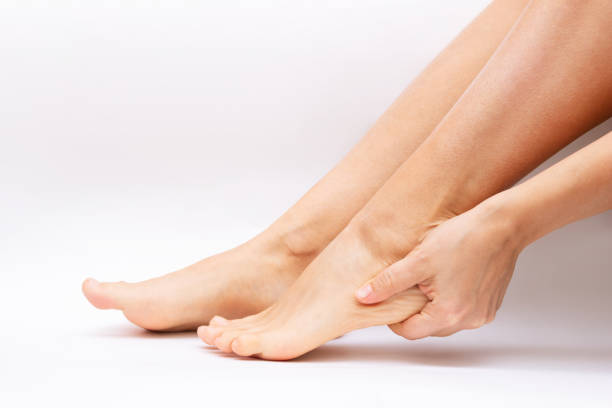
Heel discomfort affects millions of people worldwide every single day. Most assume it’s just part of aging or standing too long. However, the reality is far more complex and nuanced. Understanding what causes heel pain helps you find real solutions.
Common Causes of Heel Pain That You Should Know
Plantar Fasciitis: The Leading Cause of Heel Discomfort
Plantar fasciitis remains the most common source of heel pain today. This condition involves inflammation of the plantar fascia tissue. The plantar fascia runs along the bottom of your foot. It connects your heel bone to your toes perfectly.
When this tissue becomes inflamed, heel discomfort becomes intense. You’ll notice sharp pain in the morning immediately. The pain typically decreases with movement throughout the day. However, it often returns after long periods of rest.
Heel Spurs and Their Role in Heel Discomfort
Heel spurs are calcium deposits on your heel bone. They develop from repetitive strain on the plantar fascia. Surprisingly, many people have heel spurs without experiencing pain. The real issue occurs when they irritate surrounding soft tissues.
Heel discomfort from spurs worsens with walking or standing. The bony projection puts pressure on inflamed tissues underneath. This creates a sharp, stabbing sensation in your heel. Sometimes the pain radiates toward your arch area.
Understanding the Mechanical Factors Behind Heel Pain
Flat Feet and Fallen Arches
Flat feet place excessive stress on your plantar fascia daily. When your arch collapses, the tissue stretches abnormally. This constant stretching leads to microtears in the fascia. Over time, these tears cause significant heel discomfort.
People with flat feet need proper arch support desperately. Without support, heel pain becomes chronic and limiting. Specialized insoles can redistribute pressure effectively across your foot. This simple intervention often reduces heel discomfort substantially.
High Arches and Heel Discomfort
Paradoxically, high arches also cause heel pain issues. Supinated feet don’t absorb shock as efficiently as needed. The impact travels directly to your heel bone. This creates repetitive stress that manifests as heel discomfort.
Tight calf muscles often accompany high-arched feet naturally. This tension pulls on your Achilles tendon continuously. The pull transmits stress down to your heel. Managing this tension requires dedicated stretching and physical therapy.
Age-Related Factors Contributing to Heel Discomfort
How Aging Affects Your Heel Health
As we age, our tissues lose elasticity and flexibility. The plantar fascia becomes less resilient with passing years. Fat pads under your heel deteriorate significantly over time. These changes make heel discomfort more likely in older adults.
Your Achilles tendon also tightens and weakens with age. This natural process increases stress on your heel structures. Heel discomfort in older individuals often stems from cumulative damage. Years of wear and tear finally manifest as pain.
Weight and Heel Discomfort
Extra body weight puts tremendous strain on your heels. Every additional pound increases pressure on your feet. Your heel bears most of your body weight. Heel discomfort often accompanies significant weight gain naturally.
Weight management can dramatically reduce heel pain symptoms. Even modest weight loss provides noticeable relief for many. Your feet support your entire body weight daily. Reducing that burden means reducing heel discomfort significantly.
Activity-Related Causes of Heel Pain
Running and Athletic Activities
Runners frequently experience heel discomfort from repetitive impact. Each footfall creates shock that travels through your feet. Running shoes that lack proper cushioning worsen the problem. Heel discomfort often appears after increasing training intensity suddenly.
Switching running surfaces can also trigger heel pain. Hard asphalt differs significantly from soft grass surfaces. Your feet need time adjusting to new training routines. Gradually increasing activity helps prevent heel discomfort from developing.
Sudden Increases in Physical Activity
Weekend warriors frequently suffer from heel discomfort episodes. Doing too much activity after sedentary weeks causes problems. Your tissues aren’t conditioned for sudden intense exertion demands. Heel discomfort emerges as your body protests the overuse.
Progressive training allows your body to adapt gradually. Building activity levels slowly prevents heel discomfort entirely. Recovery time between workouts is equally important for prevention. Your feet need adequate rest to prevent inflammation.
Footwear Issues Contributing to Heel Discomfort
Wearing Unsupportive Shoes
Cheap shoes without proper arch support encourage heel discomfort. Your feet need adequate cushioning and structural support. Flip-flops and flat shoes are particularly problematic indeed. Extended wear of unsupportive footwear causes cumulative heel damage.
High heels change your foot biomechanics significantly and permanently. They shorten your calf muscles over extended periods. Continuous shortening creates tension that causes heel discomfort later. Alternating shoe types helps maintain normal calf muscle length.
Environmental and Occupational Factors
Working on hard surfaces contributes significantly to heel discomfort. Concrete floors provide no shock absorption for your feet. Standing for eight hours daily amplifies heel pain. Your feet need breaks and support on demanding jobs.
Occupations requiring constant movement increase heel discomfort risk. Construction workers, teachers, and nurses often suffer from pain. Proper footwear becomes essential in these physically demanding roles. Regular foot care helps manage occupational heel discomfort effectively.
How to Address Your Heel Discomfort
Proper Heel Injuries Treatment
Heel injuries treatment should begin with rest and elevation. Ice applications reduce inflammation within your heel tissues. Over-the-counter pain relievers provide temporary relief for heel discomfort. Proper heel injuries treatment prevents conditions from becoming chronic.
Stretching exercises target the plantar fascia and calf muscles. These stretches provide relief when performed consistently daily. Night splints maintain gentle stretch while you sleep. Heel injuries treatment works best when combined with multiple approaches.
When to Seek Professional Help
Persistent heel discomfort lasting beyond two weeks needs attention. Podiatrists can diagnose underlying conditions properly and effectively. Physical therapy provides targeted treatment for heel discomfort. Professional intervention prevents temporary pain from becoming chronic.
Conclusion: Taking Control of Your Heel Discomfort
Heel discomfort has multiple causes requiring careful investigation. Understanding your specific cause helps target treatment effectively. Most heel pain responds well to conservative treatment methods. Taking action early prevents conditions from worsening significantly.
Your feet carry you through life daily. They deserve proper care and attention consistently. Addressing heel discomfort promptly keeps you active and mobile. Don’t ignore heel pain as it usually worsens progressively.
