Introduction
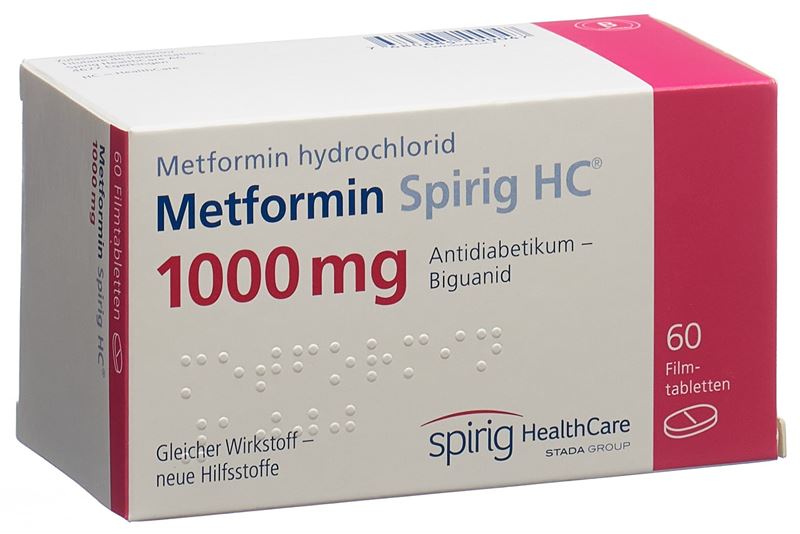
Metformin Sandoz 1000 mg is widely regarded as a first-line medication for individuals with insulin resistance or those suffering from Type 2 diabetes. Since insulin resistance is one of the first metabolic defects that ultimately leads to high blood sugar, Metformin Sandoz 1000 mg plays a significant role in enhancing the body’s sensitivity to insulin, thereby increasing glucose uptake and reducing unnecessary glucose production. Knowing why this drug has been prescribed, how it works, and what the patient should know about its purpose will assist the individual in making the best choices concerning long-term metabolic health.
This comprehensive guide describes how Metformin Sandoz 1000 mg assists in managing insulin resistance, its mechanism of action, how it supports glucose stability, its benefits and limitations, and the essential things to consider before its use.
1. Understanding Insulin Resistance and Why It Matters
Insulin resistance is a condition in which the body’s cells become unable to respond properly to insulin, the hormone directing glucose from the blood into the cells for energy. If this resistance builds up, glucose stays in the blood, pushing sugar levels up over time. This is a major precursor to Type 2 diabetes.
Common signs and connections include:
- Elevated fasting blood glucose
- Unusual fatigue
- Weight gain, particularly around the abdomen
- Increased hunger
- Difficulty managing energy levels
- Family history of diabetes
If left unmanaged, insulin resistance can progress to prediabetes, Type 2 diabetes, cardiovascular disease, and metabolic syndrome. Successful early intervention is a crucial factor in halting or slowing disease progression, and Metformin Sandoz 1000 mg is generally the drug of choice to start managing such metabolic disorders.
2. What Is Metformin Sandoz 1000 mg?
Metformin Sandoz 1000 mg is a preparation belonging to the biguanide class, representing some of the most prescribed drugs for high blood sugar and insulin resistance. Metformin has been one of the mainstays of treatment because it is very effective in managing diabetes with a good safety profile and low risk for hypoglycemia.
Key characteristics of Metformin Sandoz 1000 mg:
- Typically used in adults with Type 2 diabetes or advanced insulin resistance
- Often prescribed during later stages of dose progression
- Helps maintain stable glucose levels
- Works without increasing insulin levels excessively
- Does not contribute to weight gain for most individuals
Based on the patient’s metabolic needs, glucose readings, and tolerance to the medication, healthcare providers often recommend the dosage of 1000 mg once or twice daily.
3. How Metformin Sandoz 1000 mg Helps Insulin Resistance
Metformin Sandoz 1000 mg exerts its effect mainly through its multiple modes of action on metabolic pathways. It does not increase insulin production but enhances the sensitivity of body tissues to available insulin.
3.1 Reduces Liver Glucose Production
When people have insulin resistance, the liver of such individuals often continues to produce glucose even when levels are high. Metformin works by reducing excessive glucose output from the liver, thereby lowering fasting blood sugar directly.
3.2 Improves Insulin Sensitivity
One of the key roles of metformin is the improvement in cellular response to insulin. Greater insulin sensitivity implies:
- More glucose enters cells
- Less glucose lingers in the bloodstream
- Overall sugar levels become more stable
This effect gradually helps “reset” how the body manages glucose.
3.3 Enhances Glucose Uptake in Muscles
It increases the uptake of glucose by muscle cells, which are one of the major consumers of energy. When muscles absorb glucose more efficiently, overall blood sugar regulation improves.
3.4 Slows Down Intestinal Absorption of Sugar
Metformin decreases the speed at which sugar from food comes into the bloodstream, therefore producing smaller spikes after eating.
3.5 Supports Healthy Weight Management
Many people with insulin resistance experience weight gain. Taking metformin can:
- Reduce appetite
- Improve energy regulation
- Lower fat storage tendencies
While not a weight loss medication, it helps with metabolic balance.
4. Why Healthcare Providers Recommend Metformin Sandoz 1000 mg
There are a number of reasons why this dosage becomes a standard recommendation for people dealing with insulin resistance or Type 2 diabetes:
4.1 Effective Glycemic Control
Larger doses, such as 1000 mg, provide more robust support for:
- Fasting glucose
- Post-meal glucose
- Overall A1C reduction
4.2 Helps Prevent Disease Progression
By improving insulin sensitivity early, Metformin Sandoz 1000 mg may help slow or prevent progression into more advanced diabetes.
4.3 Long-Term Benefits
Long-term use is associated with improved metabolic markers, reduced inflammation, and better cardiovascular outcomes.
4.4 Safe for Most Users
Among glucose-lowering medications, metformin has one of the safest profiles, with reliability confirmed by decades of research.
5. Who May Benefit from Metformin Sandoz 1000 mg?
This medication may be recommended for people who:
- Have insulin resistance with elevated fasting glucose
- Are diagnosed with Type 2 diabetes
- Struggle to achieve glycemic control using lower doses
- Are overweight with signs of metabolic dysfunction
- Have a family history of diabetes
- Need long-term glucose stability
The dosage is usually increased by healthcare providers gradually to minimize side effects.
6. How to Use Metformin Sandoz 1000 mg Safely
6.1 Common Dosage Recommendations
Doctors may prescribe:
- 1000 mg once daily
or - 1000 mg twice daily (morning and evening)
This depends on tolerance, blood sugar levels, and medication response.
6.2 Take with Meals
This helps reduce digestive discomfort, which is the most common side effect.
6.3 Do Not Crush or Chew
Extended-release tablets must be swallowed whole to function correctly.
6.4 Regular Monitoring
Monitoring includes:
- Fasting glucose
- A1C testing
- Kidney function tests
Adherence to a health provider’s plan guarantees effective adjustment and sustains long-term safety.
7. Possible Side Effects
While Metformin Sandoz 1000 mg is generally well tolerated, some people may experience:
- Nausea or stomach upset
- Diarrhea
- Mild cramping
- Reduced appetite
- Metallic taste
These effects usually improve with time or dose adjustments.
Rare but serious side effects include lactic acidosis, mainly in patients with kidney problems. That is the reason why professional monitoring is necessary.
8. Lifestyle Factors That Enhance Metformin’s Effectiveness
Insulin resistance cannot be fully corrected by using medications alone. The combination of Metformin Sandoz 1000 mg with healthy lifestyle habits improves the outcomes of this medication.
8.1 Balanced Diet
Foods that support insulin sensitivity include:
- Whole grains
- Non-starchy vegetables
- Lean proteins
- Legumes
- Berries
- Healthy fats
Avoidance of food containing sugar will help in avoiding the spiking.
8.2 Physical Activity
Regular exercise naturally enhances glucose uptake.
8.3 Weight Management
Slight weight reduction improves insulin function.
8.4 Adequate Hydration
Hydration supports kidney function and metabolic processes.
9. Long-Term Outlook When Using Metformin Sandoz 1000 mg
With consistent use, many people experience:
- Lower fasting glucose
- Reduced A1C
- Better energy stability
- Fewer post-meal spikes
- Lower risk of complications
- Enhanced insulin sensitivity
Metformin Sandoz 1000 mg is a long-term therapy and is usually continued indefinitely, along with other aspects of diabetes management.
Frequently Asked Questions (FAQs)
1. What is the main purpose of Metformin Sandoz 1000 mg?
Its primary purpose is to reduce glucose production, improve insulin sensitivity, and help regulate blood sugar for those with insulin resistance and Type 2 diabetes.
2. Is 1000 mg a common dose?
Yes, many patients use 1000 mg once or twice daily as part of their treatment plan. It is one of the most frequently prescribed dosages.
3. Can it help prevent Type 2 diabetes?
For individuals with insulin resistance or prediabetes, metformin may help slow or prevent progression, especially when combined with lifestyle changes.
4. How long does it take to work?
Some effects appear within days, but full benefits may take several weeks.
5. Does Metformin Sandoz 1000 mg cause low blood sugar?
It rarely causes hypoglycemia unless combined with insulin or other glucose-lowering medications.
6. Can I take it on an empty stomach?
Taking it with food helps reduce digestive side effects, so meals are recommended.
7. Is long-term use safe?
Metformin is considered safe for long-term use when monitored by a healthcare provider.
Conclusion
Metformin Sandoz 1000 mg is a widely used and trusted medication for the management of insulin resistance and Type 2 diabetes. By improving insulin sensitivity, reducing liver glucose production, and leading to the stabilization of blood sugar throughout the day, it becomes an important part of the therapies considered for long-term metabolic health. In combination with healthy lifestyle choices and regular medical check-ups, Metformin Sandoz 1000 mg provides improved glycemic control while minimizing the risk of disease progression and creating a healthier metabolic environment in general.
