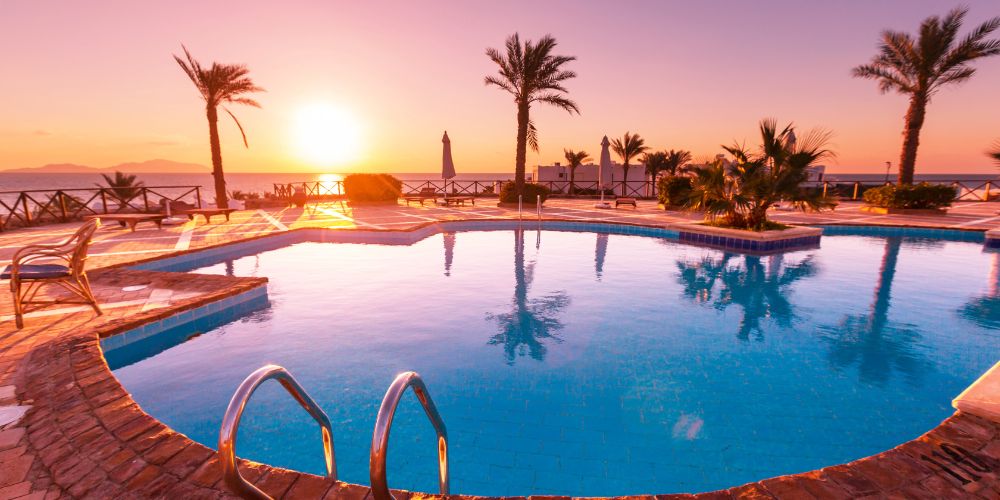
Adding a swimming pool to your home is an exciting step. A pool isn’t just a place to cool off in summer—it can also turn your backyard into a private oasis, increase the value of your property, and create the perfect space for family gatherings or entertaining friends.
However, one question most homeowners ask before starting is, how long will it take to build a pool? Many people assume it’s a simple process—you dig a hole, put in the pool, and fill it with water. The reality is far more complex. Building a swimming pool involves careful planning, skilled labor, permits, inspections, and finishing work, all of which can take time.
In this guide, we’ll explain the average timelines for different types of pools, the steps involved in building one, and the main factors that can affect how long your project takes.
How Long Does It Usually Take to Build a Pool?
The timeline for pool construction depends on several factors: the type of pool, its size, the materials used, the design, and the condition of your property. On average, most pools take 6 to 12 weeks from start to finish. However, pools with more elaborate designs or additional features may take several months.
Here’s a general breakdown:
- Concrete (Gunite or Shotcrete) Pools: 10–16 weeks
- Fiberglass Pools: 4–8 weeks
- Vinyl Liner Pools: 6–10 weeks
Let’s take a closer look at each type and the construction process involved.
1. Concrete Pools (Gunite or Shotcrete)
Concrete pools are known for their durability and flexibility. They can be built in almost any shape or size, making them ideal for homeowners who want a custom look. Concrete pools are long-lasting but also take the longest to build due to the curing process and detailed construction work.
Estimated Construction Time: 10–16 weeks
Steps to Build a Concrete Pool:
- Design and Permits (2–4 weeks)
Before any digging can happen, you’ll need to finalize the pool design and obtain building permits from your city or county. Permit processing can take longer in some areas, so it’s best to start early. - Excavation (1 week)
Heavy machinery is used to dig the hole according to your pool’s shape and dimensions. - Plumbing and Steel Reinforcement (1–2 weeks)
Plumbing lines, drains, and filtration systems are installed, followed by a steel rebar framework to reinforce the concrete shell. - Concrete Application (2–3 weeks)
The pool shell is formed using gunite or shotcrete, which is sprayed over the steel framework. After the concrete is applied, it needs to cure properly. You can learn more about how long it takes for a pool to cure to understand why this step is essential. - Tile, Coping, and Decking (2–3 weeks)
Tiles around the waterline, coping along the pool edge, and the surrounding deck area are installed. - Plaster or Finish (1 week)
The interior finish—such as plaster, quartz, or pebble aggregate—is applied. This step also requires curing. - Filling and Testing (1 week)
Finally, the pool is filled with water, and all equipment, including pumps and filters, is tested to ensure proper operation.
Factors That Can Delay Concrete Pools:
- Weather conditions (rain or extreme heat) can slow down curing.
- Complex designs with curves, waterfalls, or spas add time.
- Permit approval delays can push back the start date.
2. Fiberglass Pools
Fiberglass pools are pre-manufactured in a factory, which means much of the work is done before delivery. These pools are quick to install and have a smooth, low-maintenance surface that resists algae growth.
Estimated Construction Time: 4–8 weeks
Steps to Build a Fiberglass Pool:
- Design Approval and Permits (1–2 weeks)
Just like concrete pools, you need permits and approval for the design before installation. - Excavation (1 week)
A hole is dug to fit the prefabricated fiberglass shell. - Delivery and Installation (1–2 weeks)
The pool shell is delivered to your property and lowered into the hole using heavy equipment. - Plumbing and Backfill (1 week)
Plumbing lines are connected, and the area around the pool is backfilled with sand or gravel. - Decking and Landscaping (1–2 weeks)
Surrounding decks, patios, and landscaping are completed. - Filling and Testing (1 week)
The pool is filled with water, and all systems are tested.
Benefits of Fiberglass Pools:
- Faster construction than concrete pools.
- Smooth, non-porous surfaces require less maintenance.
- Durable and long-lasting.
Possible Delays:
- Transportation issues, especially for large shells.
- Site access problems, such as narrow driveways or obstacles.
3. Vinyl Liner Pools
Vinyl liner pools use a custom vinyl sheet to line a frame or concrete shell. They are a popular choice for homeowners seeking a budget-friendly pool option with flexible design options.
Estimated Construction Time: 6–10 weeks
Steps to Build a Vinyl Pool:
- Design and Permits (1–2 weeks)
Approvals are obtained, and the design is finalized. - Excavation (1 week)
The pool area is dug to match the liner and frame. - Structural Setup (1 week)
Steel or polymer panels form the walls of the pool. - Plumbing and Electrical (1 week)
Filtration, circulation, and electrical systems are installed. - Liner Installation (1 week)
The vinyl liner is carefully fitted into place and smoothed out. - Backfilling and Decking (1–2 weeks)
The pool perimeter is backfilled, and decks or patios are added. - Filling and Testing (1 week)
Water is added, and the pool’s filtration and circulation systems are tested.
Benefits of Vinyl Pools:
- Lower initial cost.
- Smooth surface that is gentle on skin.
- Easy to repair or replace the liner.
Possible Delays:
- Custom liner fabrication may take additional time.
- Weather or site conditions can affect installation.
Factors That Affect How Long Pool Construction Takes
Several key factors can influence the timeline of your pool project. Being aware of them will help you plan better and avoid surprises:
1. Permits and Local Regulations
Every city or municipality has rules regarding pool construction. Waiting for permits can add a few weeks to your timeline, especially if inspections or zoning approvals are needed.
2. Weather Conditions
Rain, snow, or extreme heat can delay construction, particularly for concrete pools that require proper curing. Planning your build during milder seasons can help avoid delays.
3. Pool Size and Complexity
Simple rectangular pools take less time than custom-shaped pools with extra features like waterfalls, spas, or built-in lighting. The larger and more complex the design, the longer it takes to complete.
4. Site Conditions
Rocky soil, uneven terrain, or limited access for heavy equipment can increase excavation and construction time. Some sites may require additional preparation, like grading or soil stabilization.
5. Contractor Experience
Experienced pool builders can manage timelines more efficiently and handle unexpected issues faster. Choosing a reputable contractor can prevent delays and ensure high-quality construction.
6. Seasonal Demand
During peak pool season, contractors often have full schedules, which can push your start date back. Booking early is important to secure your preferred timeline.
Step-By-Step Overview of Pool Construction
Here’s a simplified timeline that applies to most pool types:
- Consultation and Design: Choose your pool size, shape, materials, and features.
- Permits and Approvals: Submit plans for local government approval.
- Excavation: Dig the pool hole.
- Structural and Plumbing Installation: Install the framework, plumbing, and electrical lines.
- Pool Shell Construction or Installation: Spray concrete for gunite pools, place fiberglass shells, or install vinyl liners.
- Finishing Touches: Apply interior finishes, tiles, coping, and decks.
- Filling and Testing: Fill the pool and test all systems.
- Landscaping and Cleanup: Complete surrounding decks, patios, and landscaping.
Tips to Speed Up Pool Construction
While some factors are outside your control, there are ways to help the process run smoothly:
- Work with Experienced Contractors: They anticipate delays and manage construction efficiently.
- Finalize Designs Early: Avoid last-minute changes, which can add weeks.
- Prepare Your Site: Clear debris, trees, and obstacles before construction begins.
- Start the Permitting Process Early: Delays often come from waiting for approvals.
- Consider Off-Peak Seasons: Contractors are often more available outside of peak pool season.
Conclusion
Building a swimming pool is more than just digging a hole and adding water—it’s a multi-step process that requires planning, permits, skilled labor, and careful finishing. On average, pools take 4 to 16 weeks depending on the type, design, size, and site conditions. Concrete pools take the longest, fiberglass pools are quicker, and vinyl pools fall somewhere in between.
By choosing the right pool type, hiring a skilled contractor, and preparing your property and paperwork in advance, you can enjoy your backyard oasis sooner and with fewer unexpected delays. A well-built pool adds long-term value to your home and provides endless enjoyment for years to come.
When Should You Hire a Property Cleanout Service?
Interior Remodeling Trends Homeowners Love in Central Texas
Smarter Tech Solutions for Modern Business Growth
Water Heater Repair Weymouth: Fix Leaks and Restore Hot Water Fast
Alloy Wheel Shop in Bhiwandi — Where Style, Strength, and Performance Come Together
