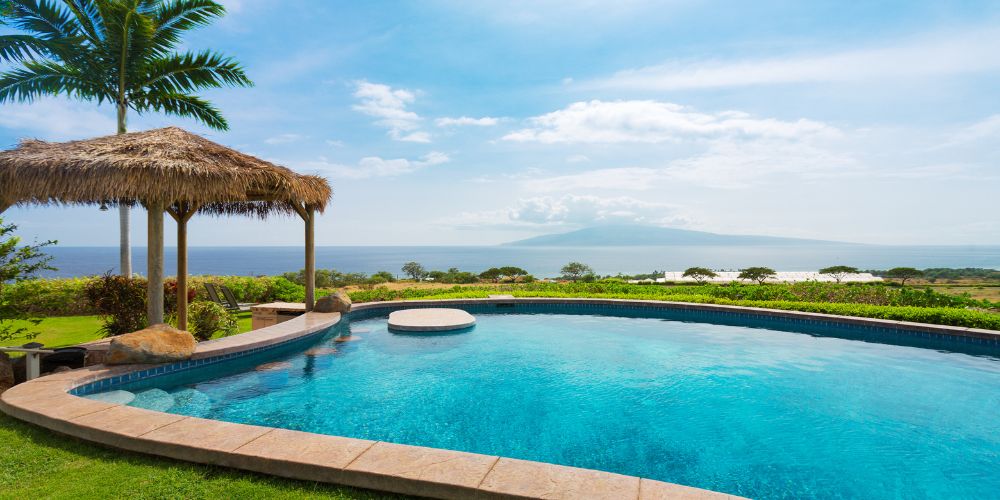
Adding a swimming pool is one of the biggest upgrades homeowners consider when they want to improve their lifestyle or boost their property value. A pool makes your home feel more relaxing, more fun, and more attractive for guests and family members. But when it comes to resale value, many homeowners wonder one important thing: Does a swimming pool actually increase the price of your house?
The short answer is yes, it can, but the exact amount depends on many factors. In this article, we break down 10 simple points to help you understand how much value a swimming pool can add and whether it’s a good investment for your home.
1. A Swimming Pool Can Increase Home Value by 5–7%
Most experts agree that an inground pool typically adds around 5–7% to a home’s value. In some situations, the value boost can be even higher — especially if the pool is well-designed, well-maintained, and located in a warm region where pools are popular.
For example, if your home is worth $500,000, a pool might add $25,000 to $35,000 to your resale price. While this is a solid increase, it is important to remember that this may not fully match the amount of money spent on building the pool. Still, for many buyers, the lifestyle benefits are worth it.
2. Location and Climate Play a Major Role
Where you live has a major influence on how much value a pool adds. In warm and sunny regions — like Florida, Texas, Southern California, and places where outdoor living is common — pools are in high demand. Buyers in these areas often see a pool as a great addition rather than a luxury.
On the other hand, in cold-weather regions where pools are used only for a few months each year, the value added might be lower. Some buyers may even hesitate to buy a home with a pool because they worry about maintenance during winter.
So, if you live in a warm climate, a pool is generally a strong investment.
3. The Type and Condition of the Pool Make a Big Difference
Not all pools add the same value. Inground pools usually add more value than above-ground ones because they feel more permanent, modern, and visually appealing.
A clean, updated, and well-cared-for pool attracts buyers and increases your home’s market value. Meanwhile, an old or damaged pool can turn buyers away because they fear repair costs.
Extras such as good lighting, modern steps, water features, and attractive decking around the pool also make a big difference.
4. Understanding ROI (Return on Investment)
It’s important to understand that while a pool increases your home’s value, it may not return the full amount you spend on construction. Pools can be expensive to build, and depending on the market, you might only get back a portion of that cost when selling.
For example:
- Spending $50,000 on a pool may add $25,000–$40,000 to value depending on location and condition.
- The remaining value comes from your enjoyment rather than financial return.
This means a pool is usually worth it if you plan to live in the home and enjoy it for several years — not just for resale.
5. Pools Come With Ongoing Maintenance Costs
Another factor that affects value is the cost of maintaining the pool. Most homeowners spend around $1,200 to $1,800 per year on cleaning, chemicals, electricity, water, and seasonal care.
Buyers often consider these expenses when deciding how much they are willing to pay for a home with a pool. For some, the maintenance cost is acceptable, while others may see it as a drawback. The easier the pool is to maintain, the more appealing it becomes.
This is why many modern pools now use:
- Energy-efficient pumps
- Easy-clean systems
- Automated filters
These features can increase value because they reduce long-term costs.
6. Insurance and Safety Requirements Matter
Swimming pools are fun, but they also come with safety responsibilities. Homes with pools often need higher insurance coverage to protect against accidents. This can raise annual insurance premiums.
Some areas also have local rules requiring:
- Pool fences
- Locked gates
- Child-safety barriers
- Pool covers
Buyers understand these requirements, and many appreciate them, but they may also consider them an additional cost. A home with all safety systems already in place and well-maintained can feel more valuable and attractive.
7. Buyer Preferences Are Not the Same
One of the most interesting things about swimming pools is that buyers have very different opinions about them. Some see a pool as a dream feature — perfect for family time, exercise, and outdoor fun. These buyers often do not mind paying more for a home with a pool.
Others prefer not to have a pool because:
- They worry about safety for children
- They don’t want the maintenance
- They don’t swim often
- They prefer a yard with more open space
This means that the added value from a pool can depend on attracting the right buyer. In markets where pools are popular, demand is high and value increases naturally.
8. Neighborhood Trends Influence Pool Value
Your neighbourhood can strongly affect how much value a pool adds. For example:
- If most homes in your neighbourhood already have pools, buyers might expect your home to have one too.
- In this case, adding a pool could help your home stay competitive rather than increase value dramatically.
- But if your home is one of the few with a pool in a desirable area, it may stand out and attract more attention from buyers.
A pool that matches the style and quality of the neighbourhood usually brings the best results.
9. Luxury Features Can Increase Value Even More
Adding extra features around your pool can help increase the value beyond basic expectations. Buyers love outdoor spaces that feel complete and well-designed. Consider features like:
- Built-in hot tubs
- Waterfalls or fountains
- LED lighting
- Modern pool tiles
- Travertine or stone decking
- Outdoor lounge areas
- Poolside landscaping
These upgrades make the pool look more inviting and increase the overall appeal of the home. A basic pool adds value, but a luxury-style pool can attract buyers who are willing to pay even more.
10. Lifestyle Benefits vs. Resale Value
While financial value is important, it’s also essential to think about the lifestyle benefits a pool offers. Many homeowners choose to build a pool because they want to enjoy:
- Outdoor gatherings
- Relaxation
- Fun family activities
- Exercise
- A private vacation-like space at home
These experiences have their own value — often more meaningful than the amount added to the selling price. If you plan to live in your home for several years, the daily enjoyment you get from the pool may be worth much more than just the financial return.
However, if your main goal is to increase resale value quickly, you should evaluate your local market and speak to professionals before starting construction.
Conclusion
A swimming pool can definitely add value to your home, especially if it is well-built, modern, and located in a warm region where pools are in demand. While most pools add around 5–7% to the home’s price, the real value also lies in the lifestyle improvements they bring. The right pool can make your home feel like a relaxing retreat and make it more appealing to buyers when you decide to sell.
If you’re thinking about building a pool and want expert guidance, custom designs, and a reliable team, you can visit Aqua Elite Pool for professional help
When Should You Hire a Property Cleanout Service?
Interior Remodeling Trends Homeowners Love in Central Texas
Smarter Tech Solutions for Modern Business Growth
Water Heater Repair Weymouth: Fix Leaks and Restore Hot Water Fast
Alloy Wheel Shop in Bhiwandi — Where Style, Strength, and Performance Come Together
