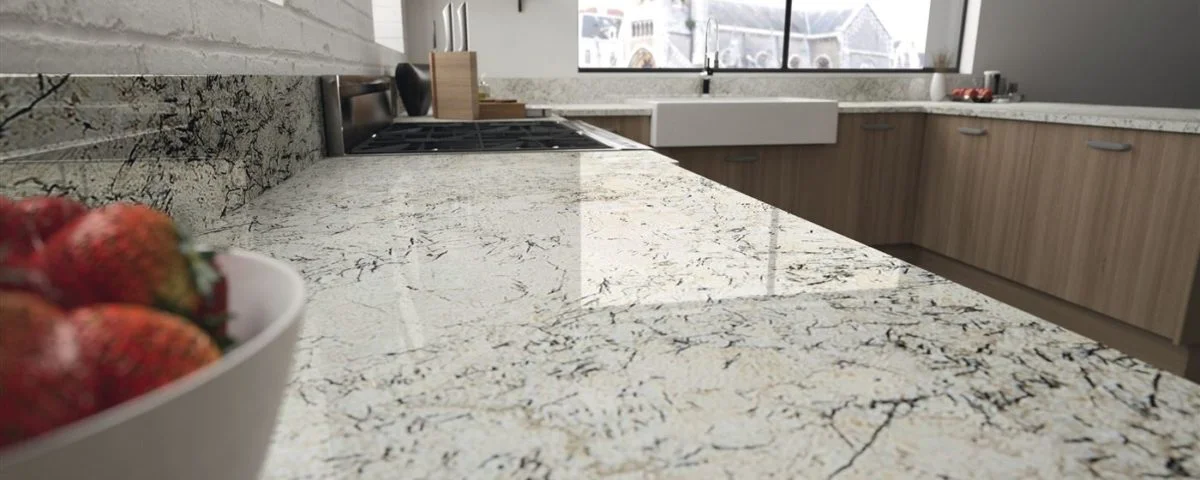
Granite Manufacturers in India: A Detailed Look at the Industry’s Legacy and Craft
If you’ve ever walked barefoot on a cool granite floor early in the morning, you know the feeling. Smooth. Solid. Unmoving. Granite doesn’t just sit there—it reminds you of something older than you, something carved by heat and pressure over millions of years. India has become one of the most dependable places for this stone, and behind that reputation lies a long chain of manufacturers, workers, quarries, and quiet everyday struggles that shape the industry.
People often talk about granite like it’s just a building material. Something you choose from a catalog. But the truth is, every slab has a history, every shade has a birthplace, and every polished surface has passed through more hands than you might imagine.
This is the story of granite manufacturers in India, seen from the ground level—where stone dust sticks to the skin, machines roar from sunrise till late afternoon, and decisions worth crores rest on a single slab’s quality.
Why Granite Found Its Home in India
The story starts with the land.
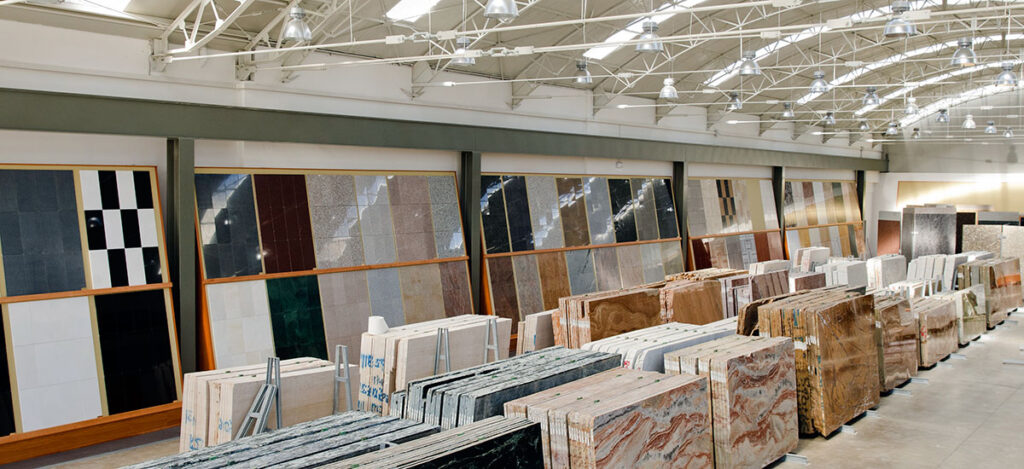
India isn’t just large; it’s geologically gifted. Southern belts like Karnataka, Tamil Nadu, and Andhra Pradesh hide some of the world’s oldest rock formations. Rajasthan offers its own collection of hard stone, while Maharashtra and Odisha add their textures and colours to the mix. The variety is incredible.
A buyer looking for light shades finds them in the north. Someone searching for deep blacks or galaxy-patterned stone often ends up in the south. And those who want rare brown or blueish tones discover small quarries tucked behind hills where only experienced local miners know the route.
The selection feels almost like walking through nature’s own gallery.
But land is only half the story. The other half is people.
Generations have grown up working in this industry. Fathers pass the craft to sons, sometimes daughters. Supervisors can judge the strength of a block just by tapping it with a hammer. Old quarry managers can predict a pattern inside the stone without lifting a single layer. That instinct comes from decades of repetition, mistakes, learning, and survival.
A Glimpse Into the Manufacturing Process
Most people never see how granite is actually made ready. They only see the finished piece—polished, shining, decorated with tiny crystals. But the journey begins far away from those polished halls.
1. Quarrying
Manufacturers begin by selecting the right quarry. Not all quarries produce the same quality throughout the year. Sometimes the colour deepens after the rains. Sometimes cracks increase in summer. Experienced manufacturers know exactly when to choose which block.
Cutting the block is a task that demands both power and gentleness. Diamond wire saws slice through the hard stone, but even the slightest vibration can create invisible internal cracks. Workers steady the machines, clear dust, adjust angles. Every cut matters.
2. Transporting the Raw Blocks
A single block can weigh 20–30 tons. Moving it from the quarry to the factory requires coordination—cranes, loaders, and drivers who understand how easily a small jerk can ruin an entire shipment.
The journey is slow. Long highways. Heat shimmering above the road. Dust trailing behind trucks loaded with stones that will later be turned into kitchen countertops, cladding, monuments, or commercial flooring.
3. Cutting and Slabbing
This is where factories come alive.
You step inside a manufacturing unit and hear a different kind of rhythm. The low humming of multi-blade cutters. Water spraying continuously to cool down the blades. Workers shouting instructions through the noise. Granite blocks slowly turning into evenly cut slabs.
If you watch closely, you notice each slab emerging like a page of a book—each one slightly different, with its own story layered inside.
4. Polishing
This part feels almost magical.
Machines with polishing heads move back and forth, slowly revealing colours that weren’t visible before. Black stones reflect light like still water. White stones show grey veins that look like pencil lines from nature. Red stones glow under artificial lights.
Polishing is more than just shine. It’s about achieving smoothness without losing strength. Every manufacturer has their preferred sequence of abrasives, almost like a chef with a secret recipe.
5. Inspection
This step separates great manufacturers from ordinary ones.
Slabs are inspected under bright lights. Workers run their hands across surfaces to feel for micro scratches. Edges are checked for chipping. Colour consistency is compared with older stock.
A careless manufacturer might push a flawed slab into the market. A responsible one removes it immediately—even if it means losing money—because reputation in this industry is worth more than stock.
6. Packing and Shipping
Granite can’t be packed casually.
It requires wooden crates, waterproof layers, foam separators, tight straps, and sometimes metal reinforcements depending on export destinations. One loose crate on a ship crossing rough waters can wipe out months of effort.
Manufacturers who have done this for years know how much can go wrong, so they treat packing like an art form.
What Makes Granite Manufacturers in India Trusted Worldwide
When people abroad think of granite from India, they think of reliability. There’s a reason for that.
1. Huge variety
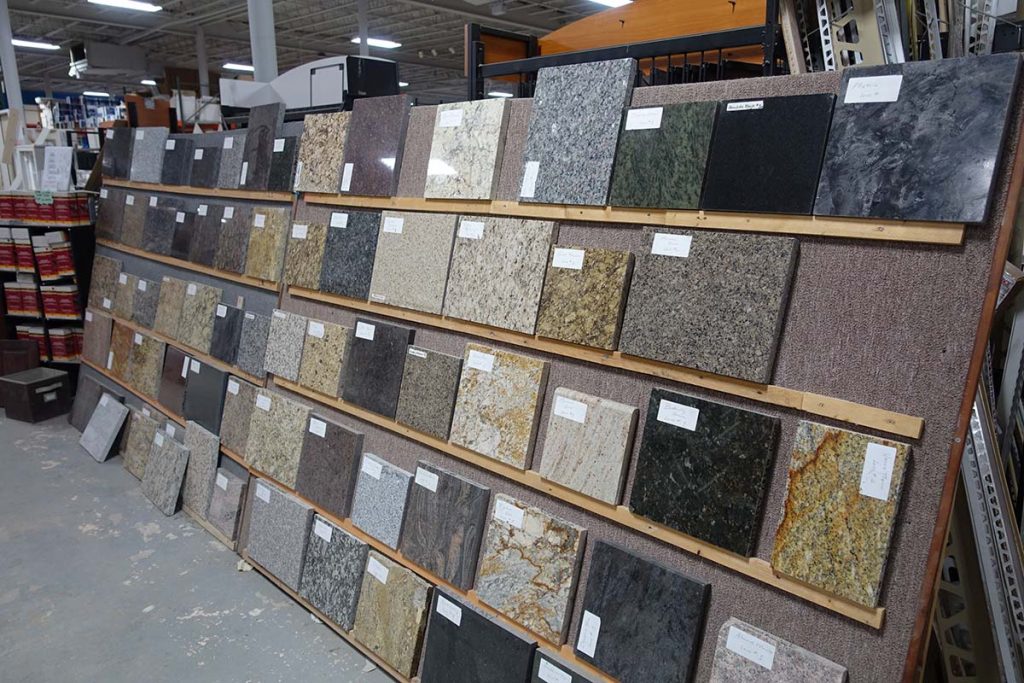
From absolute black to Kashmir white, from tan brown to steel grey, from exotic blues to warm reds—India offers almost every shade nature can produce.
2. Large-scale capability
Some factories handle hundreds of blocks at a time. Others specialize in rare patterns. Whether a client needs one container or twenty, Indian manufacturers know how to deliver.
3. Competitive pricing without compromising stability
The combination of local expertise, abundant raw material, and cost-effective processing makes the pricing more attractive than many global competitors.
4. Craftsmanship
Machine work is predictable. Human finishing is not. Indian manufacturers combine both, giving each slab a mix of precision and character.
5. Customization
Many clients request special finishes:
- leather finish
- flaming
- brushed
- river washed
- honed
- calibrated thickness
Experienced manufacturers can deliver all of these with surprising accuracy.
6. Commitment built over decades
This industry runs on long-term relationships. Manufacturers survive because they deliver what they promise. A single broken commitment can destroy trust, and everyone understands that.
Hidden Struggles Nobody Talks About
Industries always have an unglamorous layer beneath the surface. Granite manufacturing is no different.
1. Weather issues
Quarrying stops during heavy rains. Machines rust. Water seeps into blocks. Transportation slows.
2. Labour challenges
Young workers don’t always want to work in stone. It’s tough, dusty, physically demanding. Skilled labour is becoming harder to find.
3. Rising operational costs
Blades, fuel, electricity, logistics—everything keeps getting costlier. Some small manufacturers struggle to keep up.
4. Fluctuating demand
Some months see heavy export orders. Others remain quiet. Planning becomes a gamble.
5. Competition with cheaper materials
Artificial stone and engineered surfaces enter the market aggressively. But natural granite still holds its charm and strength.
The Emotional Side Few Ever Discuss
Spend a day with manufacturers, and you’ll hear stories that don’t appear in brochures.
A manufacturer who rejected an entire shipment because the polishing didn’t “feel right,” even though the buyer hadn’t complained.
A supervisor who can identify the quarry of a slab just by looking at its grain.
A worker who has been polishing stone for 28 years and still smiles like it’s his first day.
A family that built its entire life around stone—father quarry worker, mother packing supervisor, sons running the business.
Stone connects people in strange, unexpected ways. It becomes part of their mornings, their income, their pride, even their identity.
How to Identify Reliable Granite Manufacturers in India
If someone is dealing with granite for the first time, here are a few things that help differentiate genuine manufacturers from risky ones:
1. Transparency
A real manufacturer will show:
- the factory
- machines
- stockyards
- ongoing cutting
- polishing setups
Nothing is hidden.
2. Sample consistency
Not just one sample. Several. Matching the actual stock.
3. Clean finishing
Edges clean. No micro cracks. Even gloss. Proper calibration.
4. Packing quality
Strong crates equal safe deliveries.
5. Real project photos
Years of work leave a trail—clients, loading pictures, site installations.
6. Honesty about limitations
Sometimes a quarry produces colour variations. A genuine manufacturer says it upfront.
The Road Ahead for India’s Granite Industry
The future looks steady.
Factories are upgrading with better machines. Younger entrepreneurs are entering with new ideas: better cutting technology, water recycling systems, digital tracking for shipments, colour-matching software, and eco-friendly processes.
Traditional knowledge blends with modern thinking.
Despite global competition, India holds its ground—not through aggressive marketing, but through sheer consistency and deeply rooted experience. Each year, new colours get discovered. New finishes become popular. New business relationships form across continents.
But the foundation remains the same:
Stone.
People.
Patience.
Persistence.
