When you start noticing bulging veins, leg pain, or visible spider veins, one of the first questions that comes to mind is, “Where should I go for treatment?” Visiting a vein treatment center is one of the best steps you can take to restore healthy circulation and improve your quality of life. These specialized clinics focus on diagnosing, treating, and preventing vein diseases using advanced, minimally invasive methods. Many patients also ask, “What is a vein specialist called?” A vein specialist is typically known as a phlebologist, vascular surgeon, or interventional radiologist, depending on their training.
In this detailed guide, you’ll learn about the full range of services offered at modern vein centers and why choosing a trusted provider like Vein Treatment California can make such a big difference in your recovery and long-term vascular health.
What Types of Diagnostic Services Are Used at a Vein Treatment Center?
The first step to treating any vein issue is getting an accurate diagnosis. A professional vein treatment center uses advanced diagnostic tools to identify the root cause of your symptoms. Common diagnostic services include:
- Duplex Ultrasound Evaluation
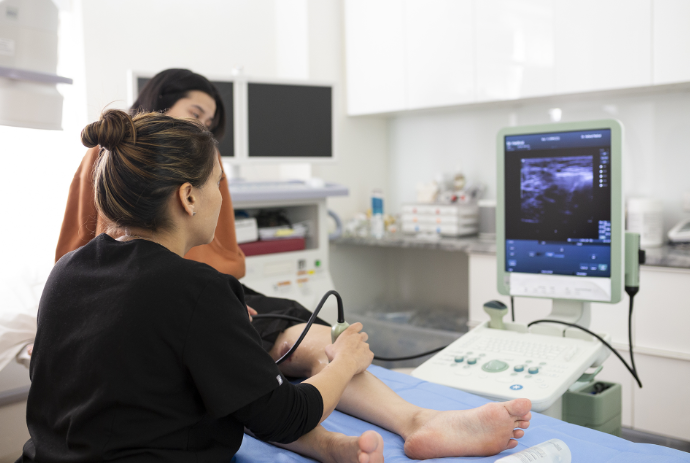
This non-invasive test uses sound waves to show how blood flows through your veins. Specialists can identify vein valve failure, blockages, blood clots, and areas of blood pooling. Since poor circulation is often the cause of varicose veins, this evaluation provides a clear roadmap for treatment. - Vein Mapping
Vein mapping creates a visual layout of the veins in your legs. It helps the vein specialist decide which veins require treatment and which are functioning normally. - Physical and Visual Examination
A vein specialist checks for visible symptoms like swelling, discoloration, skin texture changes, or bulging veins. Early detection can prevent small issues from becoming severe conditions. - Medical History Review
Your specialist may ask about family history, lifestyle habits, previous surgeries, or chronic conditions that may influence your vein health.
These diagnostic services allow your provider to create a personalized treatment plan that targets the underlying issue—not just the visible veins.
What Minimally Invasive Treatments Are Commonly Offered?
One of the biggest advantages of modern vein care is the availability of minimally invasive procedures. These treatments require little to no downtime and can significantly improve comfort and appearance.
Here are the most popular options you’ll find at a professional vein treatment center:
- Endovenous Laser Treatment (EVLT)
EVLT uses laser energy to close faulty veins and redirect blood flow to healthier ones. It is quick, effective, and performed under local anesthesia.
- Radiofrequency Ablation (RFA)
Similar to EVLT, RFA uses thermal energy to collapse and seal damaged veins. Many patients prefer RFA because it is gentle, virtually painless, and highly efficient.
- Sclerotherapy
Sclerotherapy is one of the most common treatments for spider veins and small varicose veins. A special solution is injected into the vein, causing it to close and fade over time. This method provides excellent cosmetic results.
- Foam Sclerotherapy
This variation uses a foamy injectable solution that spreads more effectively inside larger veins. It is ideal for medium-sized varicose veins that require deeper penetration.
- VenaSeal Closure System
VenaSeal uses a medical adhesive to close malfunctioning veins. This treatment does not require heat, eliminating the need for tumescent anesthesia. It offers a fast recovery and minimal discomfort.
- Microphlebectomy
For larger varicose veins close to the skin’s surface, microphlebectomy can remove them through tiny incisions. The procedure is safe, scar-free, and highly effective.
All these treatments are performed in-office, allowing patients to return to normal activities the same day.
What Cosmetic Vein Treatments Are Available?
Not all vein issues are medical—many are cosmetic. A dedicated vein treatment center offers several services designed solely to enhance the appearance of your legs.
These include:
Spider Vein Removal
Sclerotherapy and laser treatments effectively remove small, web-like veins that appear on the thighs, calves, and ankles.
Surface Laser Therapy
This non-invasive laser targets tiny veins just beneath the skin’s surface, making them fade gradually.
Skin Rejuvenation Treatments
Some vein centers also offer skin care procedures that improve texture and tone in areas affected by long-term vein disease.
If your main concern is appearance, cosmetic vein services can provide fast and impressive results without downtime.
What Additional Supportive Services Help Improve Vein Health?
Beyond medical procedures, vein centers often provide additional services that promote long-term vascular health.
Compression Therapy
Compression stockings support healthy blood flow and help reduce swelling. They may be recommended before or after treatment.
Lifestyle and Wellness Counseling
A vein specialist may advise changes such as increased walking, weight management, proper hydration, and avoid prolonged sitting or standing.
Follow-Up Imaging
After treatment, ultrasound exams ensure veins have closed properly and your circulation has improved.
Personalized Care Plans
Since every patient is different, many centers create a long-term wellness plan to help maintain results and prevent future vein issues.
What Is a Vein Specialist Called and Why Does It Matter?
Patients often ask, “What is a vein specialist called?” Understanding this helps you choose the right expert for your condition.
A vein specialist may be one of the following:
- Phlebologist – A doctor who specializes solely in vein diseases.
- Vascular Surgeon – A surgeon trained in treating arteries and veins.
- Interventional Radiologist – A specialist who treats vein issues using image-guided procedures.
Choosing an experienced specialist is crucial because vein conditions often require precise diagnosis and treatment. A professional who focuses on vein health ensures safer and more successful results.
Why Should You Choose a Specialized Vein Treatment Center?
A dedicated vein treatment center offers benefits that general clinics cannot match:
- Access to the latest minimally invasive technology
- Expertise from trained vein specialists
- Personalized treatment plans
- Faster recovery with in-office procedures
- Comprehensive care from diagnosis to follow-up
- Insurance guidance, especially for medical varicose vein treatments
Centers like Vein Treatment California are known for combining advanced techniques with patient-centered care, helping you achieve relief from pain, heaviness, swelling, and cosmetic concerns.
Conclusion
A vein treatment center provides a full range of services—from diagnosis and medical procedures to cosmetic treatments and long-term vein health support. Whether you are dealing with varicose veins, spider veins, leg discomfort, or circulation issues, these centers offer effective, minimally invasive solutions tailored to your needs. With trained phlebologists, vascular surgeons, and interventional radiologists, you receive specialized care that restores both function and appearance.
