Imagine biting into a crisp apple or flashing a confident smile without worrying about a loose denture or a gap where a tooth used to be. Dental implants promise just that-a permanent solution to missing teeth. But how permanent are they, really? If you’re considering dental implants, you probably want to know: how long can you expect them to last? Let’s break down the facts, the factors, and the realities behind the longevity of dental implants.
What Are Dental Implants Made Of?
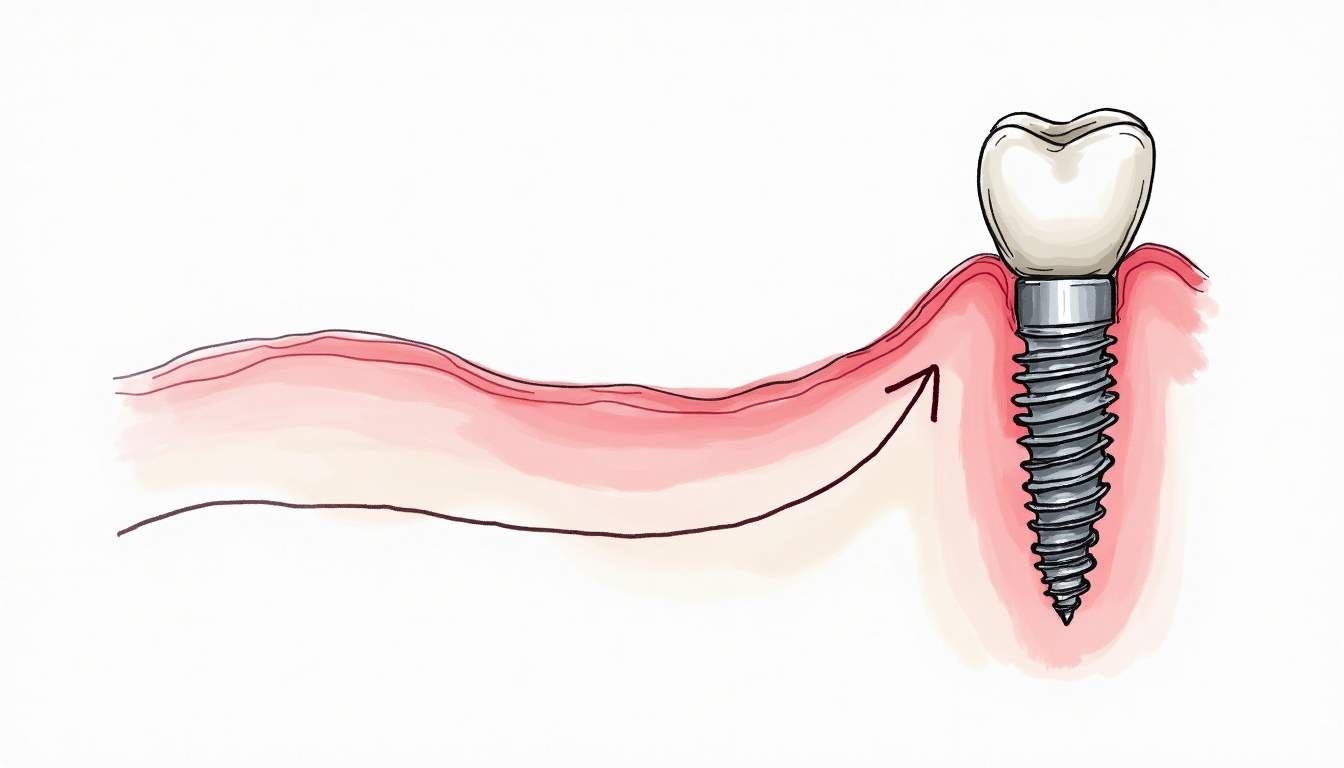
Dental implants are small titanium posts surgically placed into your jawbone to act as artificial tooth roots. Titanium is the material of choice because it’s biocompatible, meaning your body accepts it without rejection. Over time, the bone fuses with the implant in a process called osseointegration, creating a solid foundation for a crown, bridge, or denture.
This fusion is what gives implants their strength and stability, making them different from other tooth replacement options like dentures or bridges that rest on gums or neighboring teeth. Because of this, implants can function just like natural teeth in terms of chewing and appearance.
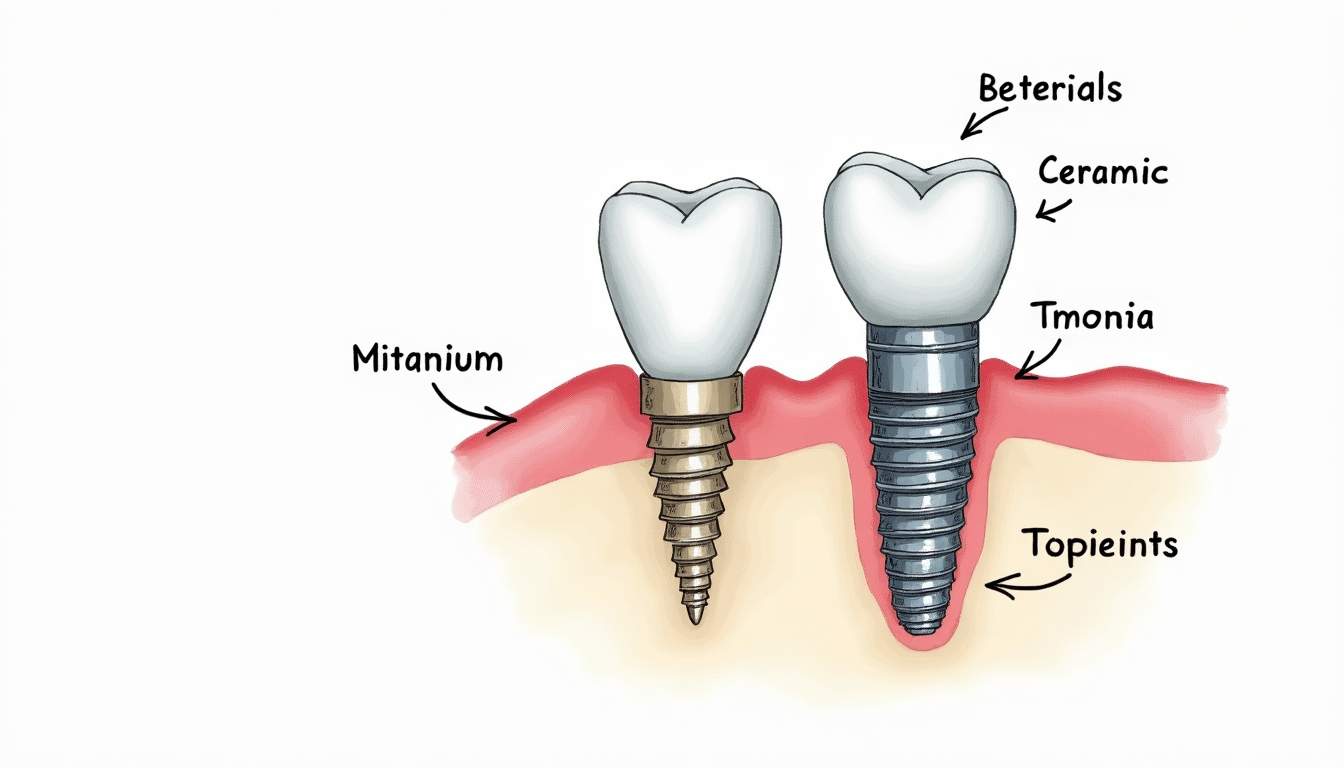
In addition to titanium, some dental implants are coated with materials such as hydroxyapatite, a naturally occurring mineral form of calcium apatite. This coating enhances the osseointegration process, promoting faster and more effective bonding between the implant and the bone. Furthermore, advancements in implant technology have led to the development of implants made from zirconia, a ceramic material that offers an aesthetic advantage, particularly for patients concerned about the visibility of metal in their smiles. Zirconia implants are also known for their resistance to corrosion and plaque accumulation, making them an appealing option for those seeking a more natural look.
The design of dental implants has also evolved over the years, with various shapes and sizes available to accommodate different bone types and patient needs. Some implants feature a threaded design that allows for better grip within the jawbone, while others may have a tapered shape to facilitate easier placement in areas with limited bone density. This customization ensures that each patient receives an implant tailored to their specific anatomical requirements, ultimately enhancing the success rate of the procedure and improving overall satisfaction with the final results.
Typical Lifespan of Dental Implants
Long-Term Success Rates
Studies show that dental implants have a success rate of about 95% over 10 years. That’s impressive, especially when compared to other dental restorations. Many implants last 20 years or more, with some lasting a lifetime. But it’s important to understand that “lifespan” can vary widely depending on several factors.
What Does “Last” Mean in This Context?
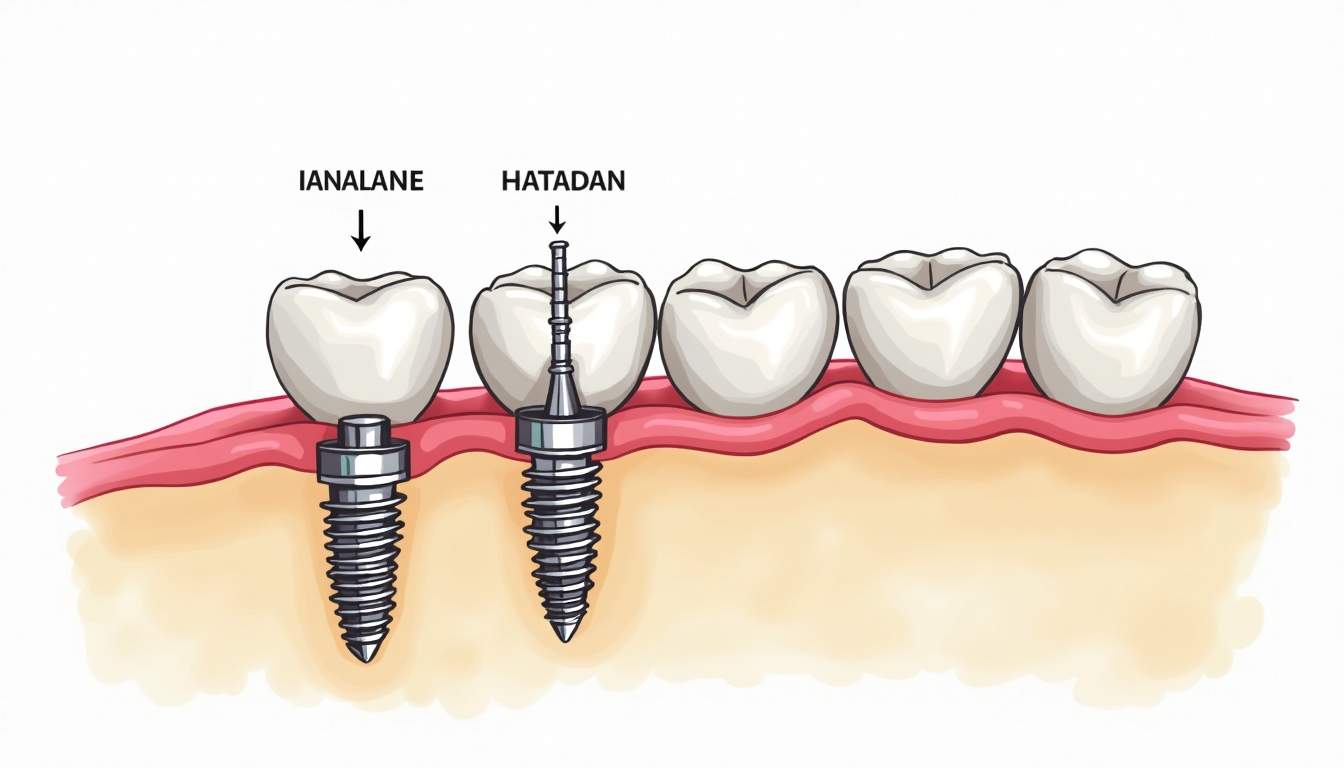
When we talk about how long implants last, we’re usually referring to the implant post itself—the titanium screw anchored in the jawbone. The crown or prosthetic tooth attached to the implant may need replacement sooner due to wear and tear, just like natural teeth or dental fillings.
So, while the implant post might last decades, the visible part of the tooth might require maintenance or replacement every 10 to 15 years. Think of the implant as the foundation of a house; it’s built to last, but the roof might need repairs or replacement over time.
Several factors can influence the longevity of dental implants, including oral hygiene practices, lifestyle choices, and the presence of underlying health conditions. For instance, patients who smoke or have uncontrolled diabetes may experience a higher rate of implant failure due to compromised healing and increased risk of infection. Regular dental check-ups and cleanings are essential, as they help in maintaining not just the health of the implant but also the surrounding gum tissue, which plays a crucial role in the overall success of the restoration. For professional implant care, you can visit Indental Castle Hill through the following link: https://indentalcastlehill.com.au/
Moreover, advancements in dental technology and materials have significantly improved the durability and aesthetics of dental implants. Innovations such as zirconia crowns and improved implant designs have made it possible for patients to enjoy not only longer-lasting results but also a more natural appearance. As research continues to evolve, the future of dental implants looks promising, with ongoing studies aimed at enhancing biocompatibility and integration with the jawbone, ensuring that patients can enjoy their smiles for many years to come.
Factors That Influence Implant Longevity
Oral Hygiene and Maintenance
Good oral hygiene is crucial. Implants can’t get cavities, but the surrounding gum tissue is vulnerable to infection. Peri-implantitis, an inflammation similar to gum disease, can cause bone loss around the implant and lead to failure if untreated.
Brushing twice daily, flossing, and regular dental check-ups help keep the gums healthy and the implant secure. Professional cleanings are especially important because implants require special tools to avoid scratching the titanium surface. Additionally, using antimicrobial mouth rinses can further reduce the risk of infection and promote a healthier oral environment. Patients should also be aware of the signs of gum inflammation, such as redness or swelling, and seek prompt treatment if these symptoms arise.
Bone Quality and Quantity
The success of an implant depends heavily on the quality and quantity of your jawbone. If there isn’t enough bone, the implant may not integrate properly, or it might become loose over time. Sometimes, bone grafts are necessary before placing implants to build a solid foundation.
People with osteoporosis or other conditions affecting bone density might face challenges, but with proper planning and care, implants can still be successful. In some cases, newer techniques like sinus lifts or ridge augmentation can be employed to enhance bone structure, allowing for a more stable implant placement. Understanding the unique anatomy of each patient is essential for achieving the best possible outcomes.
Lifestyle Choices
Smoking is one of the biggest risk factors for implant failure. It impairs blood flow to the gums and slows healing, increasing the risk of infection and bone loss. Heavy alcohol use can also negatively impact healing and implant success.
Maintaining a healthy lifestyle, including a balanced diet and avoiding tobacco, supports the longevity of dental implants. Nutrient-rich foods that promote bone health, such as dairy products, leafy greens, and lean proteins, can play a significant role in recovery and long-term success. Staying hydrated is equally important, as it helps maintain optimal saliva production, which is essential for oral health and healing.
Placement and Surgical Technique
The skill and experience of the dental surgeon play a significant role. Proper placement ensures the implant is stable and positioned to handle biting forces effectively. Poor placement can lead to complications like nerve damage or implant failure.
Advancements in imaging technology, like 3D scans, help dentists plan implant placement with precision, improving outcomes. Furthermore, the use of guided implant surgery techniques allows for a minimally invasive approach, reducing recovery time and enhancing the overall patient experience. Surgeons who stay updated on the latest techniques and materials can offer patients the best chance for successful and lasting implants.
Signs Your Implant Might Be Failing
While dental implants are generally reliable, they’re not invincible. Recognizing early signs of trouble can save your implant and prevent more extensive dental work.
Common Warning Signs
- Persistent pain or discomfort around the implant site
- Swelling, redness, or bleeding of the gums near the implant
- Loosening or mobility of the implant or attached crown
- Changes in bite or difficulty chewing
- Unpleasant taste or pus discharge indicating infection
If any of these symptoms appear, it’s important to see your dentist promptly. Early intervention can often save the implant.
How to Make Your Dental Implants Last a Lifetime
Daily Care Tips
Brush your teeth twice a day using a soft-bristle toothbrush and non-abrasive toothpaste. Floss daily, paying special attention around the implant to remove plaque and food debris. Consider using interdental brushes or water flossers designed for implants.
Don’t forget to clean your tongue and maintain overall oral hygiene to reduce bacteria in your mouth.
Regular Dental Visits
Schedule professional cleanings and check-ups every six months, or as recommended by your dentist. These visits allow your dentist to monitor the health of your implant and surrounding tissues, catch any problems early, and perform specialized cleanings.
Avoid Excessive Force
Don’t use your teeth as tools to open packages or bite into very hard objects like ice or hard candy. Excessive force can damage the crown or even the implant itself. If you grind or clench your teeth at night, ask your dentist about a nightguard to protect your implants and natural teeth.
Maintain a Healthy Lifestyle
Quit smoking if you do, and limit alcohol consumption. Eat a balanced diet rich in vitamins and minerals to support bone and gum health. Staying hydrated also helps maintain saliva flow, which protects your mouth from bacteria.
What Happens When an Implant Fails?
Implant failure is uncommon but can happen. Early failure usually occurs within the first few months after placement, often due to poor osseointegration or infection. Late failure can happen years later, often due to peri-implantitis or trauma.
If an implant fails, your dentist will remove it. Sometimes, after healing and possibly bone grafting, a new implant can be placed. In other cases, alternative tooth replacement options might be recommended.
Comparing Implants to Other Tooth Replacement Options
Dental implants stand out because of their durability and function. Dentures and bridges may need replacement or adjustment every 5 to 10 years. They also don’t prevent bone loss in the jaw, which implants do by stimulating the bone through chewing forces.
While implants can be more expensive upfront, their longevity often makes them more cost-effective over time. Plus, they feel and function more like natural teeth.
Final Thoughts
Dental implants can last a lifetime with proper care, good oral hygiene, and regular dental visits. The titanium post is designed to fuse with your jawbone and provide a stable, long-lasting foundation for your new tooth. The crown or prosthetic may need replacement after 10 to 15 years, but the implant itself often endures much longer.
Choosing dental implants is an investment in your oral health and quality of life. Understanding the factors that influence their lifespan helps you take the right steps to protect your smile for decades to come.
