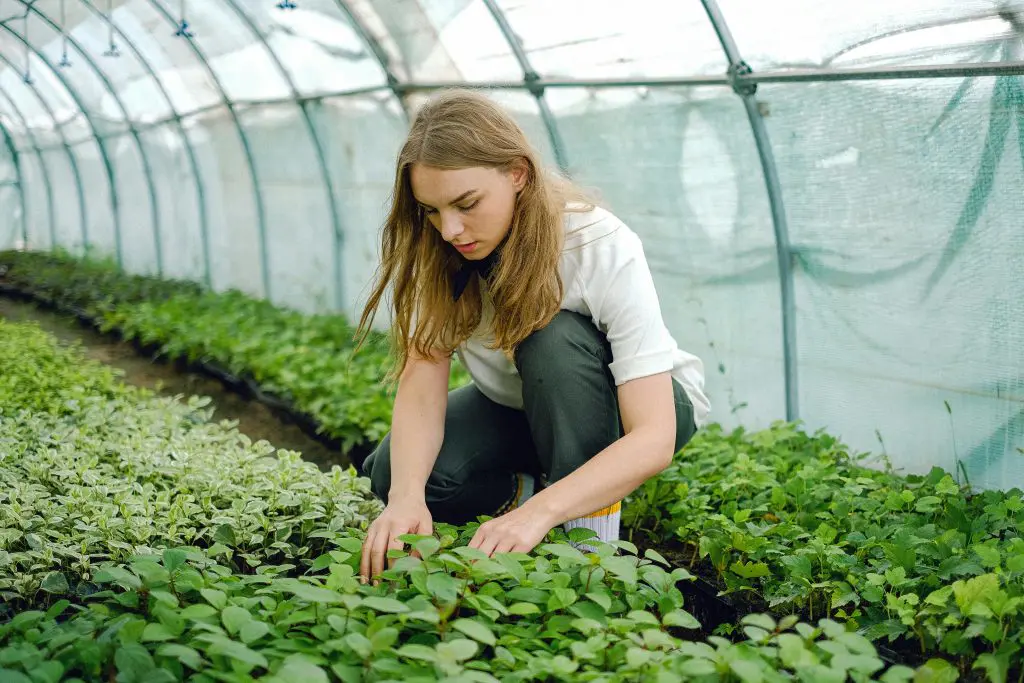
Urban farming techniques help city residents grow food in tight spaces. This article gives practical methods, local resources, and simple plans suited for Singapore.
TL;DR
- Hydroponics, aeroponics, and aquaponics fit small Singapore spaces.
- Start with container gardening, composting, or a tabletop hydroponic kit.
- Workshops and kits from Ecoponics suit schools and beginners (ecoponics).
- Government resources and grants are available via the Singapore Food Agency.
Techniques & Methods
The best Urban farming techniques Singapore center on growing without large land plots.
methods that use reduced space and technology to grow food in cities.
Hydroponics
Hydroponics grows plants in nutrient-rich water, not soil.
Hydroponics uses up to 90% less water than field farming for some systems. Examples include nutrient film technique and deep water culture. Benefits include faster growth and higher yield per square foot.
Aeroponics
Aeroponics mists roots with nutrient solution while plants hang in air.
This method maximizes oxygenation and cuts water use. It suits leafy greens and herbs in vertical racks. Expect rapid growth and compact footprints.
Aquaponics
Aquaponics combines fish and plants in a closed ecosystem.
Fish waste feeds plants; plants filter water for fish. Schools and hospitals use it for education and therapy. This method teaches ecology and yields food and protein.
Composting & Soil-Based Methods
Composting turns food waste into nutrient-rich soil for containers.
Try bokashi, vermicompost, or simple tumblers. Composting reduces landfill waste and improves container yields. *Good compost reduces fertilizer costs and waste volume.*
Vertical & Rooftop Farming
Vertical and rooftop systems stack growing layers to increase yield per area.
Examples in Singapore include high-rise rooftop gardens and modular vertical racks. These systems suit commercial and community projects. They can produce far more per square foot than field farms.
Simple urban farming techniques for beginners
Beginners should choose low-cost, low-maintenance setups first.
Start with container gardening, window boxes, or a tabletop hydroponic kit. Pick fast-growing greens like lettuce, kai lan, and herbs. Use recycled containers and local compost to cut costs.
Education & Workshops
Workshops offer hands-on learning and classroom-friendly curricula.
Ecoponics runs school programs, STEM workshops, and composting sessions suitable for all ages (view programs). Workshops often include DIY hydroponics kits and lesson plans. Look for virtual options and teacher resource packs.
Policy & Sustainability
Singapore supports urban farming through grants, tech trials, and advisory services.
Policies that fund urban ag pilots and provide technical advice. Singapore allocates limited land for agriculture, so tech-based methods matter. *Vertical farms can deliver high yields with drastically less water.* Check the SFA for current schemes and technical guidance.
Real-World examples in Singapore
Local projects show what urban farming can achieve in dense cities.
Examples include CapitaSpring rooftop farms and a hospital aquaponics pilot. Community gardens and school programs demonstrate social, educational, and health benefits. These projects combine volunteers, schools, and tech partners to scale impact.
Quick start guide: a practical setup in 5 steps
You can set up a productive urban garden in a weekend.
- Choose space: balcony, windowsill, or rooftop.
- Pick a method: container, hydroponic kit, or a small aquaponic tub.
- Select plants: lettuce, basil, spinach, and microgreens suit beginners.
- Source supplies: kits, compost, seeds, and LED grow lights.
- Maintain: monitor pH, change water weekly, and harvest frequently.
*Tip:* start small, scale when confident.
Summary
Urban farming techniques make food production possible in tight urban spaces. Choose methods that match space, budget, and teaching goals. Use local workshops, government resources, and small kits to begin. With simple steps, Singapore residents can grow fresh produce, cut waste, and teach the next generation about sustainable food.
FAQ
What are the cheapest urban farming techniques?
Container gardening and composting cost the least and use recycled items.
Can I run hydroponics in an HDB flat?
Yes. Small hydroponic kits fit balconies and windowsills with minimal upkeep.
Where can I find workshops in Singapore?
Local providers like Ecoponics run school and public workshops; SFA lists approved programmes and grants.
Do urban farms help Singapore’s food security?
Yes. Urban farms diversify supply and reduce reliance on imports.
Is aquaponics difficult to maintain?
Aquaponics needs fish care and water tests but rewards with dual harvests.
