



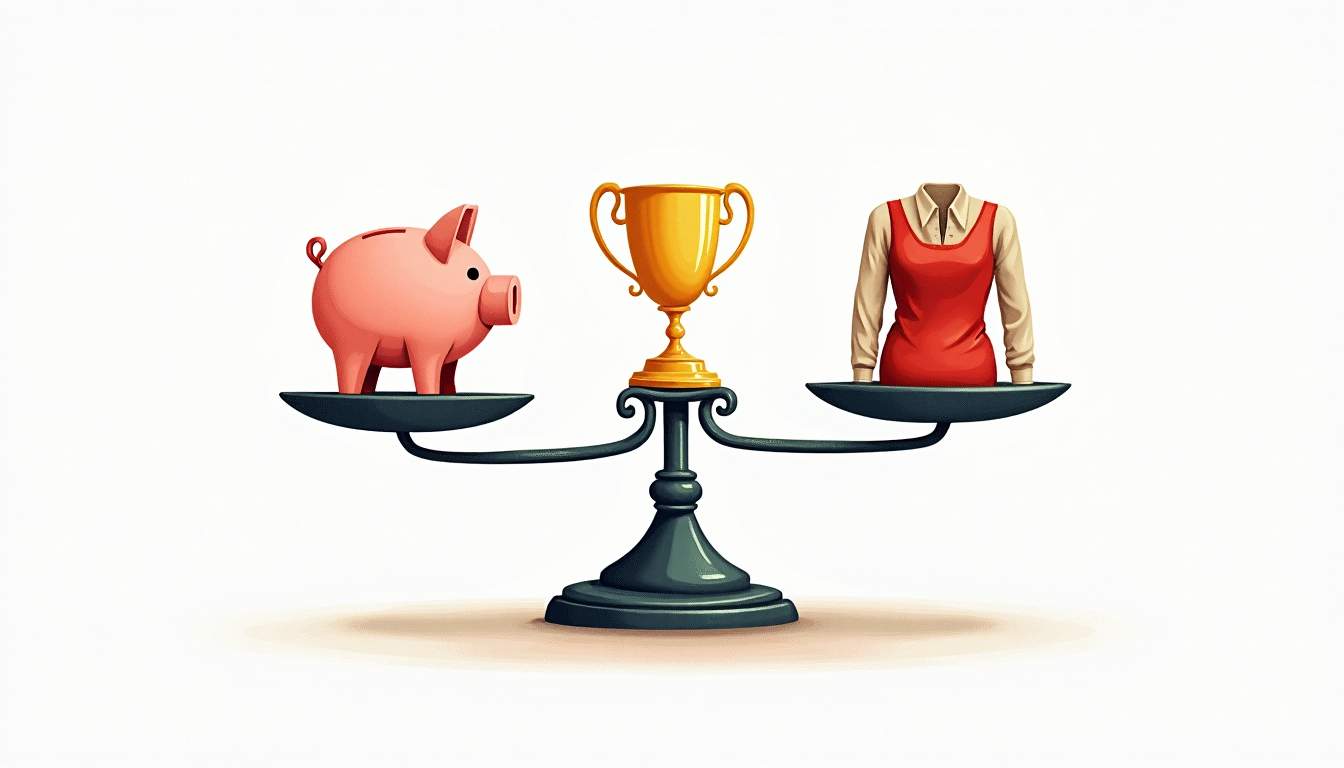
Imagine walking into a store and spotting the perfect jacket. It looks fantastic, fits just right, but the price tag makes you hesitate. Or maybe you find a cheaper option that fits your budget but feels flimsy and fades after a few washes. This tug-of-war between cost, quality, and style is something everyone faces, whether shopping for clothes, gadgets, furniture, or even picking a restaurant. So, how do you find the sweet spot that doesn’t break the bank but still delivers on durability and looks?
Understanding the Triad: Cost, Quality, and Style
What Each Element Means
Cost is straightforward-it’s the amount of money you’re willing or able to spend. Quality refers to how well something is made, its durability, and how it performs over time. Style is the aesthetic appeal, how something looks or fits your personal taste.
These three factors often pull in different directions. High-quality items usually cost more because of better materials and craftsmanship. Stylish products might prioritize design over durability, sometimes driving up the price without guaranteeing longevity. Meanwhile, low-cost options can compromise on both quality and style.
When considering these elements, it’s essential to understand that they can also be influenced by market trends and consumer behavior. For instance, the rise of fast fashion has led to a proliferation of stylish yet low-cost clothing options, appealing to budget-conscious consumers. However, this often comes at the expense of quality, as these items may not withstand the test of time. On the other hand, luxury brands often emphasize quality and style, but their high price tags can alienate potential buyers who are looking for more affordable yet durable alternatives. The interplay between these factors creates a complex landscape for consumers to navigate.
Why Balancing Matters
Choosing one at the expense of the others can lead to regret. Spending a lot on a stylish item that falls apart quickly is frustrating. Buying the cheapest thing might save money upfront but cost more in replacements or dissatisfaction. Prioritizing quality without considering style might leave you with something durable but uninspiring.
Finding balance means making decisions that reflect your priorities and lifestyle. It’s about getting the most value-whether that’s measured in longevity, appearance, or price. This balance is not static; it can shift based on life stages, personal values, or even economic conditions. For example, a young professional might prioritize style and cost when building a wardrobe for job interviews, while a family might lean more towards quality and durability when investing in home furnishings. Understanding your own needs and circumstances can help you navigate this triad more effectively, leading to more satisfying purchases that align with your overall goals.
How to Evaluate Cost Without Sacrificing Quality or Style
Look Beyond the Price Tag
The sticker price is just the starting point. Consider the total cost of ownership. For example, a cheap pair of shoes might wear out in months, requiring multiple replacements. A higher-priced pair made with better materials can last years, ultimately saving money.
Think about maintenance costs too. Some stylish furniture pieces might require special cleaning or care, adding to the expense over time. Factor these into your budget to get a clearer picture. Additionally, consider the environmental impact of your purchases. Investing in sustainable products may come with a higher upfront cost, but they often provide long-term benefits, such as reduced waste and a smaller carbon footprint. This not only aligns with eco-conscious values but can also enhance the overall aesthetic of your living space, as many sustainable brands focus on design as much as functionality. To explore more options and innovative designs, visit Molecule Designs.
Set a Realistic Budget
Budgeting isn’t about limiting yourself but about making smart choices. Identify what you’re willing to spend and stick to it. This helps narrow options and prevents impulse buys that don’t fit your needs.
Remember, budget constraints don’t mean settling for less. They encourage prioritizing what matters most to you—whether it’s durability, design, or a mix of both. Consider creating a tiered budget, where you allocate funds based on the importance of each item. For instance, you might decide to splurge on a high-quality mattress for better sleep while opting for more affordable decor items that can be easily updated. This approach not only maximizes your investment but also allows for a more personalized and stylish environment that reflects your unique taste without breaking the bank.
Quality: The Long-Term Investment
Why Quality Often Pays Off
High-quality products tend to last longer and perform better. They’re made with superior materials and attention to detail, which means fewer repairs and replacements. This reliability can save both money and hassle in the long run.

Quality also affects experience. A well-made chair supports your posture, a finely crafted kitchen knife cuts smoothly, and a durable jacket keeps you warm through seasons. These benefits enhance daily life in subtle but meaningful ways. For instance, investing in a quality mattress can lead to improved sleep quality, which in turn affects your overall health and productivity. Similarly, a reliable smartphone not only performs better but also offers a longer lifespan, reducing the frequency of upgrades and contributing to a more sustainable lifestyle.
How to Spot Quality
Look for trusted brands with good reputations. Read reviews and ask for recommendations. Examine materials—natural fibers like cotton, wool, and leather often outlast synthetics. Check construction details: tight stitching, sturdy hardware, and smooth finishes are good signs.
Don’t hesitate to test products in person if possible. Feel the weight, try it on, or inspect it closely. Quality often reveals itself through touch and use. Additionally, consider the warranty or guarantee offered by the manufacturer; a longer warranty often indicates confidence in the product’s durability. Engaging with knowledgeable sales staff can also provide insights into the craftsmanship and longevity of the items you’re considering, helping you make informed decisions that align with your values and needs.
Style: More Than Just Looks
Why Style Matters
Style isn’t just about following trends; it’s about expressing yourself and feeling confident. Wearing clothes or using items that resonate with your taste can boost mood and self-esteem. Style also influences how others perceive you, which can be important in social or professional settings.
Beyond personal expression, style impacts functionality. For example, a sleek, minimalist design might suit a modern home better than ornate furniture. Choosing style that fits your environment and lifestyle ensures your purchases feel right.
Balancing Style with Practicality
It’s easy to get caught up in trendy looks that might not last. Instead, aim for timeless styles that can adapt over time. Neutral colors, classic cuts, and versatile designs often provide more value.
Consider how often you’ll use the item and in what contexts. A flashy jacket might be perfect for special occasions but impractical for everyday wear. Style should complement your life, not complicate it.
Strategies for Finding the Ideal Balance
Prioritize Based on Usage
Think about how and where you’ll use the product. For daily-use items like shoes or backpacks, leaning toward quality might be best. For something worn occasionally, style could take precedence. Cost should always be weighed against these factors.
For example, investing in a high-quality mattress makes sense because it affects your health and comfort every night. On the other hand, a trendy handbag might be a lower priority if it’s only used sparingly.
Mix and Match
Sometimes, blending options works well. Buy a few high-quality basics and supplement them with stylish, affordable pieces. This approach keeps your overall cost down without sacrificing style or durability.
For instance, a wardrobe with classic, well-made staples paired with seasonal, trendy accessories can feel fresh and last longer.
Wait for the Right Moment
Patience pays off. Sales, clearance events, and off-season shopping can make higher-quality or stylish items more affordable. Planning purchases around these opportunities helps balance cost without compromising other factors.
Don’t rush decisions. Taking time to research and compare options often leads to better choices and satisfaction.
Common Pitfalls and How to Avoid Them
Chasing Trends at Any Cost
Trends come and go quickly. Spending a lot on something just because it’s “in” can lead to buyer’s remorse. Instead, focus on pieces that align with your personal style and can be worn beyond the current season.

Ignoring Quality for Price
Cheap isn’t always cheerful. Low-cost items often mean shortcuts in materials and craftsmanship. This can result in frustration, wasted money, and environmental impact due to frequent replacements.
Overvaluing Style at the Expense of Comfort or Function
Sometimes, an item looks great but doesn’t fit well or isn’t practical. This mismatch can reduce enjoyment and utility. Always try to balance aesthetics with comfort and usability.
Real-Life Examples of Balancing Cost, Quality, and Style
Clothing
A well-made pair of jeans might cost more upfront but lasts years, maintaining shape and color. Pairing these with affordable, stylish tops allows for variety without overspending.
Technology
When buying a smartphone, a mid-range model often offers the best balance. It provides reliable performance and modern features without the premium price of flagship devices, which might have style but limited practical advantage.
Home Furnishings
Investing in a quality sofa ensures comfort and durability. Accent pieces like cushions or throws can add style and be replaced easily to refresh the look without major expense.
Final Thoughts: Personalizing the Balance
Ultimately, the best purchases are those that feel right-items that you enjoy using, that last, and that don’t cause financial stress. Finding that balance is less about perfection and more about aligning your spending with your values and needs.
About the Author