


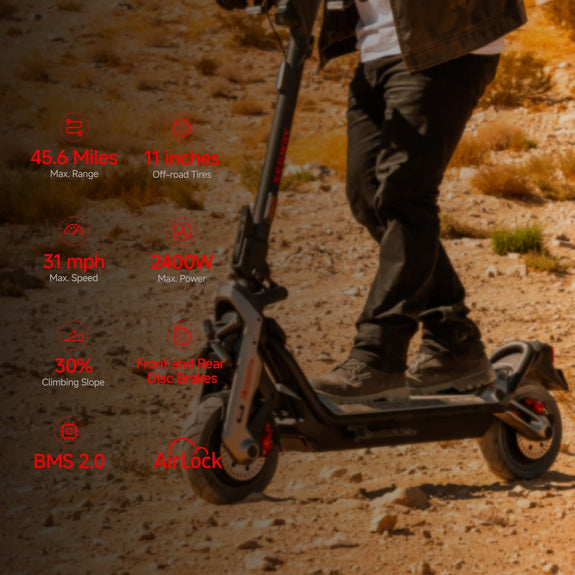
electric scooter
Electric scooters have become a popular and efficient way to commute in urban settings, offering convenience without the hassle of traditional transportation. Their compact size, affordability, and eco-friendly nature make them an excellent alternative to cars and public transport.
However, before you decide to purchase your first electric scooter, it’s essential to know what factors will affect your experience. This article will guide you through the important features, safety considerations, and maintenance tips to help you make a well-informed choice.
Key Features to Consider When Buying an Electric Scooter
Understanding the features you need will help you select a scooter that fits your daily routine and environment perfectly.
- Range: Range refers to the distance an electric scooter can travel on a single charge. For most urban users, a range of 10 to 15 miles is sufficient for daily commuting. However, if your routes are longer or chargers are not readily available, consider models with higher battery capacity for added convenience and reliability.
- Speed: Electric scooters typically have top speeds between 10 to 20 miles per hour. Beginners should look for scooters with moderate speeds, around 15 mph, to ensure a safer ride without compromising efficiency.
- Motor Power: The motor’s wattage determines how well your scooter can accelerate and climb hills. Scooters with 250 watts of power handle flat terrain well, but if you need to tackle steeper slopes or carry heavier loads, consider models with motors rated at 400 watts or more.
- Weight and Portability: When portability is a concern, such as when using public transportation or storing your scooter indoors, choose a lightweight and foldable scooter design. These models are easier to carry and take up less space.
- Tires and Suspension: Larger, air-filled tires combined with quality suspension systems absorb shocks from uneven or rough surfaces, providing a more comfortable and stable ride.
- Brakes and Safety Features: Strong braking systems, like mechanical disc or drum brakes, provide reliable stopping power in emergencies. Additionally, good lighting, including headlights and rear lights, enhances visibility during night or low-light conditions.
Brands like Segway have expertly combined these features in their electric scooter models, offering good quality for novice riders.
Evaluating Your Personal Needs
Knowing your riding habits and environment can help you pick a scooter that suits your lifestyle.
- Daily Commute Distance: Assess the typical distance you will ride to select a scooter with an appropriate battery range to avoid frequent recharging interruptions.
- Terrain: If you mostly ride on flat city streets, a scooter with moderate motor power will suffice. For hilly or off-road conditions, look for models with stronger motors and better suspension.
- Rider Weight Capacity: Check the maximum supported weight on the scooter. Choosing a model that accommodates your weight ensures safety and maintains performance.
- Storage and Transportation: If you plan to carry or store the scooter often, opt for foldable and compact designs for convenience.
- Budget: Prices range widely, from entry-level to premium models. Mid-range scooters often offer the best balance between cost, quality, and features.
Taking time to evaluate these factors will prevent buyer’s remorse and ensure you get a scooter that meets your expectations.
Maintenance and Safety Tips
Regular care and safe usage are key to maintaining your scooter’s longevity and your personal safety.
- Charging: Follow manufacturer instructions closely to charge your scooter properly and extend battery life without damage. Avoid leaving the battery fully discharged for long periods and charge regularly even if not in use.
- Routine Inspections: Before each ride, inspect brakes, tire condition, lights, and frame integrity. Address any issues immediately to prevent accidents. Checking tire pressure and brake responsiveness helps maintain reliable performance.
- Storage: Keep your scooter indoors or sheltered from rain, dust, and extreme temperatures to avoid wear and tear. Clean it regularly by wiping down the frame and components with a soft cloth and mild cleaner, avoiding water exposure to electrical parts.
- Protective Gear: Always wear a certified helmet, reflective clothing, and pads to reduce injury risk. Follow all local regulations regarding electric scooter usage.
- Prompt Repairs: Fix mechanical or electrical issues as soon as they arise to maintain reliable performance and safety, and seek professional service if unsure.
- Well-maintained scooters provide dependable transportation and a pleasant riding experience.
Conclusion
Purchasing your first electric scooter requires careful consideration of several key factors including battery range, motor power, speed, portability, and safety features. Selecting models from trusted brands like Segway can give you confidence in quality and performance.
For practical advice and guidance, resources like DR TECH offer balanced information to help you make informed, non-promotional decisions. By analyzing your needs and following maintenance best practices, your first electric scooter can be a smart, enjoyable, and efficient addition to your daily life.
This thorough approach will help you choose a scooter that not only fits your convenience and budget but also offers reliable, safe transport for years to come.
Saving Time and Money with a Healthcare Virtual Assistant Today
What to Look for When Choosing a Trade Show Booth Manufacturer in the U.S.?
How Recreational Cannabis Stores Work: Rules and Regulations
Remote Bookkeeping Services Australia: The Invisible Engine Behind Modern Businesses
How to Choose the Right Clinic for Nose Surgery in Islamabad
About the Author