



Imagine stepping into a shower expecting warm water, only to be met with a chilly surprise. One of the usual suspects behind this discomfort is a malfunctioning thermostat in your electric water heater. The thermostat plays a crucial role in regulating water temperature, and when it goes wrong, it can lead to inconsistent heating, no hot water, or even safety hazards.
Understanding common thermostat problems can save you time, money, and frustration. This article dives into the typical issues electric water heater thermostats face, how to identify them, and what steps you can take to fix or prevent these problems.
How Thermostats Work in Electric Water Heaters
Before jumping into the problems, it helps to know what a thermostat does inside your water heater. The thermostat is essentially a temperature sensor and control device that tells the heating elements when to turn on or off. It maintains the water temperature within a set range, ensuring you get consistent hot water without overheating.
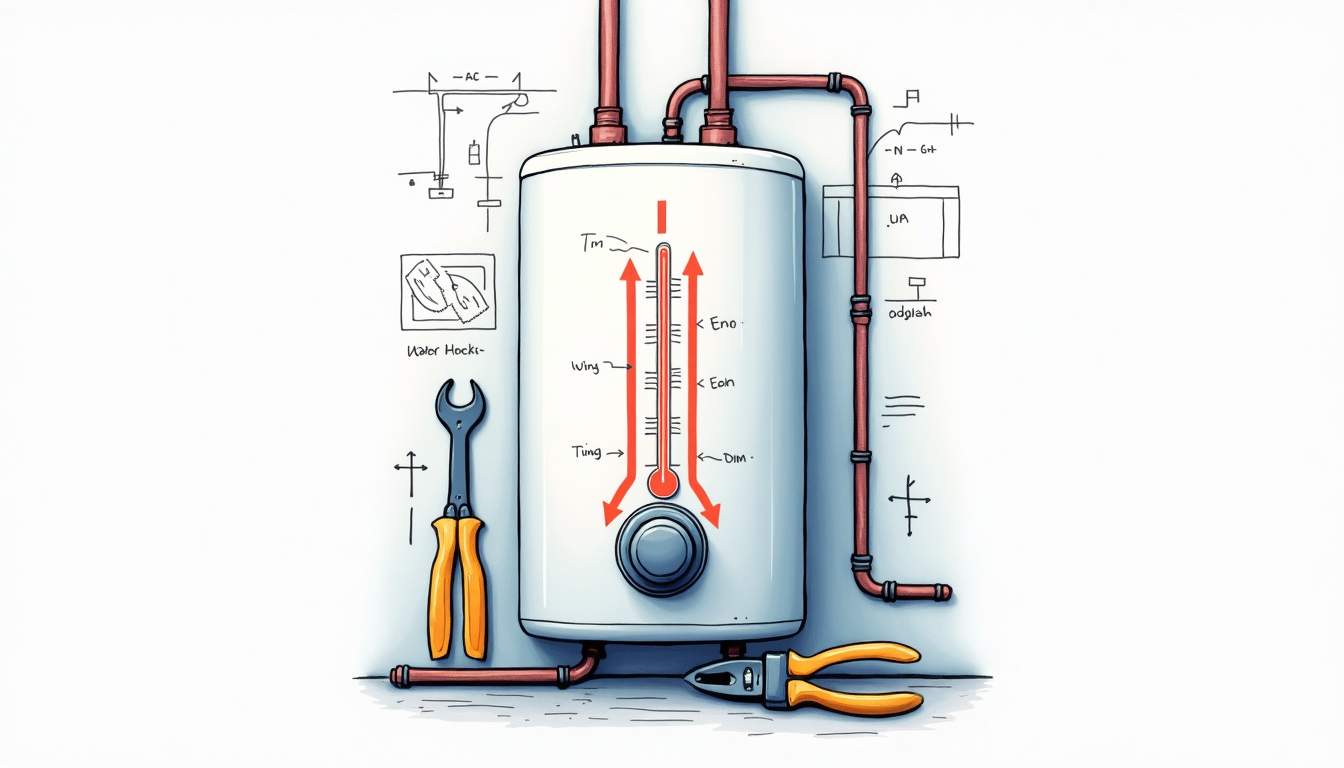
Electric water heaters usually have two thermostats—one for the upper heating element and one for the lower. Both work together to heat the water efficiently. When the water temperature drops below the thermostat’s set point, it activates the heating element. Once the desired temperature is reached, the thermostat cuts power to prevent overheating.
In addition to regulating temperature, thermostats also play a crucial role in energy efficiency. By maintaining the water temperature at an optimal level, they help reduce unnecessary energy consumption, which can lead to lower utility bills. Many modern electric water heaters come equipped with advanced thermostats that allow users to set specific temperature preferences, providing both comfort and efficiency. Some models even feature smart technology, enabling remote monitoring and control through smartphone apps, which can be particularly useful for busy households. For reliable assistance or expert guidance on thermostat settings, you can visit Plumber Singapore for professional support.
Moreover, the placement of the thermostat is vital for the overall performance of the water heater. Typically, the upper thermostat is located near the top of the tank, while the lower thermostat is positioned closer to the bottom. This strategic placement ensures that the water is heated uniformly. If the upper thermostat is set too high, it can lead to excessive energy use and potentially scalding water, while a lower setting may not provide sufficient hot water for your needs. Understanding how to adjust these settings can significantly impact both comfort and energy efficiency in your home.
Signs Your Water Heater Thermostat Might Be Failing
Inconsistent Water Temperature
One of the most common signs of a thermostat issue is fluctuating water temperature. You might notice the water suddenly turning cold during a shower or not getting hot enough despite waiting. This inconsistency often points to a thermostat that’s failing to regulate the heating elements properly.
Sometimes, the thermostat’s sensor becomes inaccurate or the internal contacts wear out, causing it to switch on and off erratically. This leads to water temperatures that swing between too hot and too cold. Additionally, if you have a tankless water heater, inconsistent temperatures can be particularly frustrating, as these systems are designed to provide a steady flow of hot water on demand. If you find yourself adjusting the temperature settings frequently, it may be time to investigate further.
No Hot Water at All
If your water heater suddenly stops producing hot water, the thermostat could be the culprit. A completely failed thermostat won’t send power to the heating elements, meaning the water never heats up. While other issues like tripped breakers or faulty heating elements can cause this, the thermostat is often the first component to check. In some cases, a malfunctioning thermostat can also prevent the water heater from reaching the desired temperature, leading to a frustrating experience when you need hot water for tasks like washing dishes or laundry.
It’s also worth noting that if you have an older water heater, the likelihood of a thermostat failure increases. Regular maintenance checks can help identify potential issues before they lead to complete failure, saving you time and money in the long run. If you find yourself without hot water, consider checking the thermostat settings and ensuring they are correctly adjusted before calling a professional.
Water is Too Hot
On the flip side, a thermostat stuck in the “on” position can cause the water to become dangerously hot. This happens when the thermostat fails to cut power to the heating element after reaching the set temperature. Not only does this waste energy, but it can also pose a scalding risk. If you notice the water temperature exceeding safe levels, it’s crucial to turn off the heater immediately to prevent potential burns or damage to your plumbing system.
Furthermore, a malfunctioning thermostat can lead to excessive pressure build-up within the tank, which can be hazardous. Many modern water heaters come equipped with safety features, such as pressure relief valves, but relying solely on these mechanisms is not advisable. Regularly monitoring your water heater’s performance and being aware of any unusual temperature fluctuations can help you catch thermostat issues early, ensuring a safer and more efficient hot water supply for your home.
Common Thermostat Problems and Their Causes
Thermostat Calibration Issues
Over time, thermostats can lose their calibration. This means the temperature it reads and controls may no longer match the actual water temperature. A thermostat set to 120°F might actually heat water to 140°F or only 100°F. Calibration drift is often caused by age, mineral buildup, or mechanical wear.
When calibration is off, the thermostat misjudges the water temperature and either overheats or underheats the water. This can lead to discomfort and increased energy bills.
Faulty or Worn-Out Contacts
Thermostats use electrical contacts to open and close the circuit to the heating element. These contacts can become pitted, corroded, or worn out after years of use. When contacts fail, the thermostat might not send power to the element or might create an intermittent connection.
This issue often causes the heater to cycle on and off irregularly or not heat at all. The contacts are usually replaceable, but in some cases, the entire thermostat needs swapping.
Thermostat Sensor Damage
The sensor inside the thermostat detects water temperature. If it gets damaged or coated with sediment, it can give false readings. This leads to improper heating cycles. Sediment buildup is common in areas with hard water and can affect not only the thermostat but also the heating elements.
Loose or Damaged Wiring
Sometimes, the problem isn’t the thermostat itself but the wiring connected to it. Loose connections, frayed wires, or corrosion at the terminals can disrupt the thermostat’s function. This can cause intermittent heating or complete failure.
Regular inspection of wiring during maintenance can prevent these issues from escalating.
Diagnosing Thermostat Problems
Safety First: Power Off
Before inspecting or testing your water heater thermostat, always turn off the power at the circuit breaker. Electric water heaters operate at high voltage, and working on them without disconnecting power can be dangerous.
Visual Inspection
Remove the access panel and insulation to expose the thermostat. Look for signs of damage like burn marks, corrosion, or loose wires. Check the condition of the heating elements as well, since faulty elements can mimic thermostat issues.
Testing with a Multimeter
A multimeter is a handy tool to test thermostat continuity and voltage. Set the multimeter to the continuity or ohms setting and test the thermostat’s terminals. If there’s no continuity when the thermostat should be closed (heating mode), the thermostat is likely faulty.
Voltage tests can confirm if the thermostat is sending power to the heating element. If the thermostat is receiving power but not passing it through, replacement is necessary.
Fixing and Preventing Thermostat Issues
Replacing a Faulty Thermostat
If testing confirms the thermostat is bad, replacing it is usually straightforward. Purchase a compatible thermostat designed for your water heater model. Make sure to note the temperature settings on the old thermostat for proper calibration on the new one.

Disconnect the wiring carefully, remove the old thermostat, and install the new one. Reconnect wires according to the manufacturer’s instructions, replace insulation and access panels, then restore power.
Regular Maintenance
Preventing thermostat problems starts with routine maintenance. Flushing the tank annually helps reduce sediment buildup that can affect both thermostats and heating elements. Inspect wiring and thermostat contacts during maintenance visits.
Adjust thermostat settings periodically to ensure they remain accurate and safe. Most experts recommend setting water heaters to 120°F to balance comfort, safety, and energy efficiency.
Addressing Hard Water Issues
Hard water accelerates sediment buildup, which can damage thermostats and heating elements. Installing a water softener or using water treatment solutions can extend the lifespan of your water heater components.
When to Call a Professional
While some thermostat issues can be diagnosed and fixed by handy homeowners, others require professional expertise. If you’re uncomfortable working with electrical components or if the problem persists after replacing the thermostat, it’s time to call a licensed plumber or electrician.
Professionals have the tools and experience to safely troubleshoot complex issues, test heating elements, and ensure your water heater operates efficiently and safely.
Conclusion
A malfunctioning thermostat is a common cause of electric water heater problems. From inconsistent temperatures to no hot water or overheating, thermostat issues can disrupt your daily routine and increase energy costs. Recognizing the signs and understanding the causes can help you take timely action.
Regular maintenance, proper diagnosis, and prompt repairs or replacements keep your water heater running smoothly. When in doubt, don’t hesitate to seek professional help to avoid safety hazards and costly damage.
Keeping your thermostat in good shape means warm, reliable water whenever you need it.
About the Author