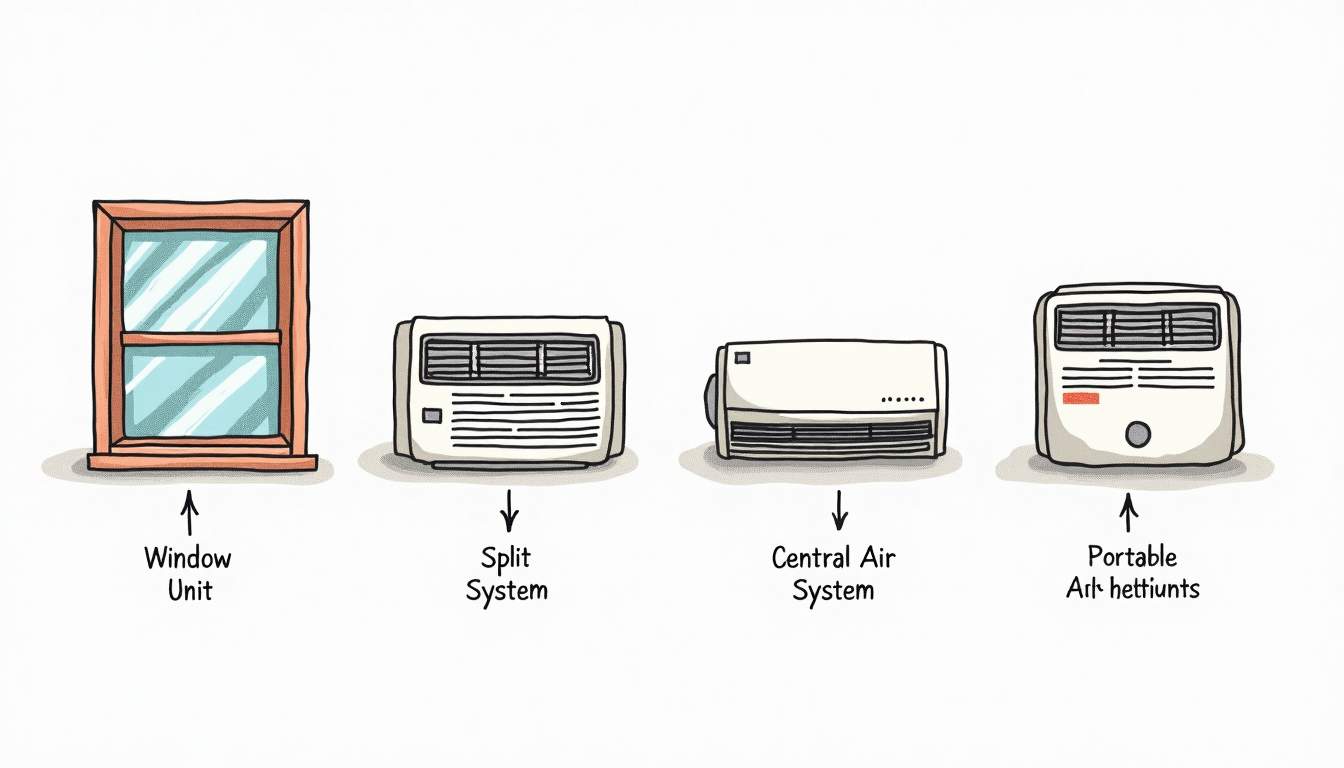
When the summer heat hits hard, nothing feels better than stepping into a cool, comfortable room. But not all air conditioning systems are created equal. Choosing the right one can make a huge difference in comfort, energy bills, and even your home’s value. This guide breaks down the most common types of air conditioning systems, helping you understand how each works and which might be the best fit for your space.
Central Air Conditioning Systems
Central air conditioning is the go-to for many homeowners, especially those with larger houses. It cools the entire home through a network of ducts, delivering cool air evenly to every room. This system not only enhances comfort during the sweltering summer months but also helps maintain a consistent humidity level throughout the home, which is crucial for preventing mold growth and preserving the integrity of your living space.
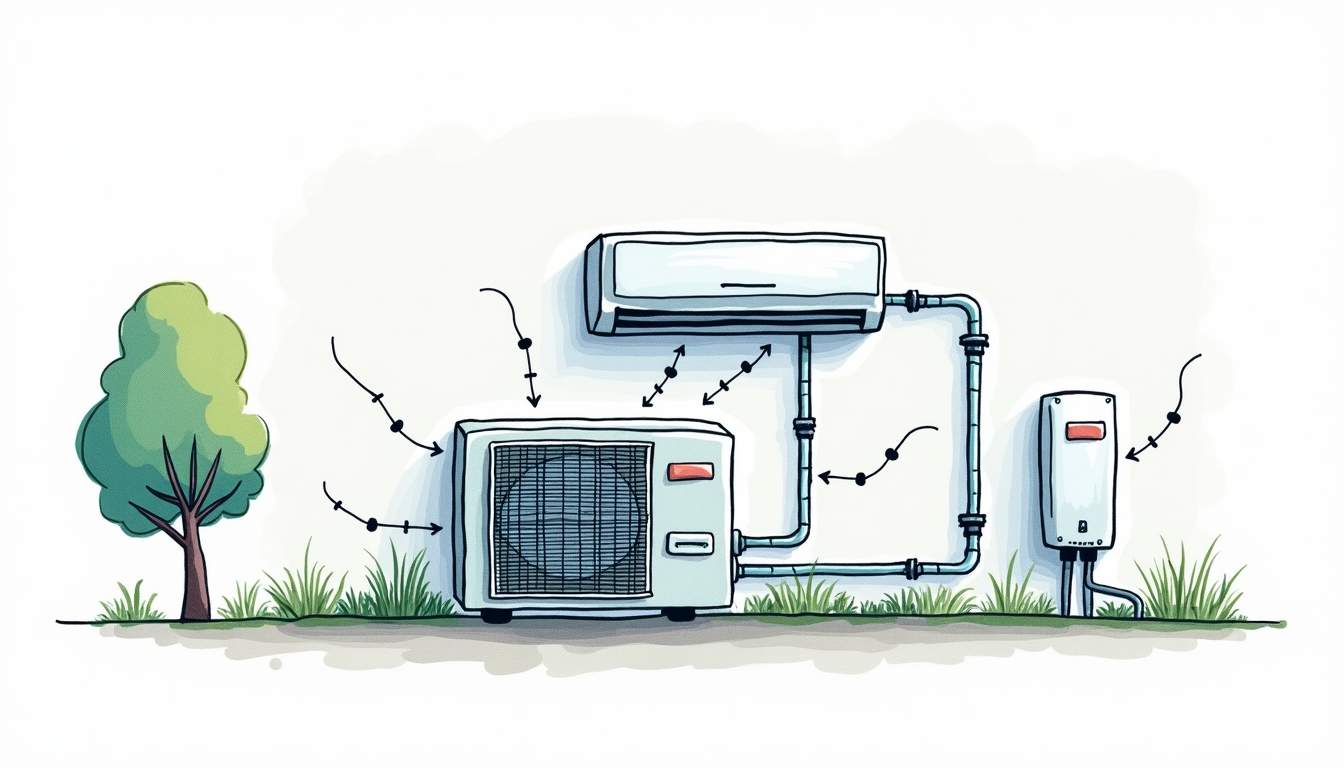
At the heart of a central AC system is the outdoor unit, which houses the compressor and condenser. Inside the home, an evaporator coil cools the air before it’s pushed through ducts by a blower fan. The system is controlled by a thermostat, allowing you to set and maintain a consistent temperature. Many modern systems come with smart thermostats that can learn your cooling preferences and adjust accordingly, optimizing energy usage and providing convenience at your fingertips.
One of the biggest advantages of central air is its ability to cool large spaces efficiently. It also tends to be quieter than window units or portable air conditioners since the noisy parts are outside. However, installation can be costly, especially if your home doesn’t already have ductwork. Maintenance involves regular filter changes and occasional professional checkups to keep the system running smoothly. Additionally, investing in a programmable thermostat can lead to significant energy savings, as it allows you to set schedules that align with your daily routine, ensuring that you’re not cooling an empty house. For expert maintenance and servicing, you can visit LS Aircon Servicing.
Pros and Cons of Central Air Conditioning
Pros:
- Efficient cooling for entire homes
- Quiet operation inside the house
- Improves indoor air quality with proper filtration
Cons:
- High upfront installation cost
- Requires ductwork, which some homes lack
- Energy loss can occur through ducts if not well insulated
In addition to the pros and cons, it’s also worth considering the environmental impact of central air conditioning systems. Many newer models are designed with energy efficiency in mind, utilizing refrigerants that have a lower environmental footprint. Homeowners can also explore options such as zoning systems, which allow for different areas of the home to be cooled to different temperatures, further enhancing efficiency and comfort. This adaptability makes central air systems a versatile choice for families with varying needs and preferences.
Ductless Mini-Split Systems
If your home doesn’t have ducts or you want to cool specific rooms without running a central system, ductless mini-splits are an excellent option. These systems consist of an outdoor compressor and one or more indoor air-handling units mounted on walls or ceilings.
Each indoor unit operates independently, so you can control the temperature in different rooms separately. This zoning capability can lead to energy savings since you’re only cooling the spaces you use. Installation is less invasive than central air because it only requires a small hole for refrigerant lines.
Mini-splits are known for their quiet operation and high efficiency. They also provide heating in many models, making them versatile for year-round comfort. The downside is the initial cost, which can be higher per unit compared to window units, and the aesthetic impact of having visible indoor units.
When to Choose a Mini-Split
Mini-splits are perfect for:
- Homes without existing ductwork
- Additions or converted spaces like garages and basements
- Rooms that need independent temperature control
Window Air Conditioners
Window air conditioners are a classic, affordable solution for cooling single rooms. These compact units fit directly into a window frame, pulling in warm air from the room, cooling it, and then blowing it back inside.
They’re easy to install and don’t require professional help, making them popular for renters or those on a budget. However, window units can be noisy and block natural light from the window. They’re also less energy-efficient than other types of air conditioners and only cool the room they’re installed in.
Despite these drawbacks, window ACs remain a practical choice for small spaces or temporary cooling needs. They come in a range of sizes to suit different room sizes, and many models now include energy-saving features like programmable timers and sleep modes.
Tips for Using Window Air Conditioners
To get the most out of a window unit:
- Ensure a tight seal around the unit to prevent air leaks
- Keep curtains or blinds closed during the hottest part of the day
- Clean or replace filters regularly
Portable Air Conditioners
Portable air conditioners offer flexibility. Unlike window units, they sit on the floor and can be moved from room to room as needed. They work by drawing warm air from the room, cooling it, and venting the hot air outside through a hose connected to a window or wall vent.
These units are convenient for renters or those who need temporary cooling without installing permanent equipment. However, they tend to be less efficient and noisier than window or central units. The hose used for venting can also take up space and limit placement options.
Portable ACs often come with features like dehumidifiers and programmable timers, adding to their versatility. If you need a cooling solution that can travel with you or be stored away when not in use, a portable unit is worth considering.
Considerations for Portable ACs
Before buying a portable air conditioner, keep in mind:
- They require a nearby window or vent for exhaust
- Regular draining of collected water may be necessary
- They may not cool large rooms effectively
Hybrid Air Conditioners
Hybrid air conditioners combine a traditional AC system with a heat pump, switching between electricity and fossil fuels to optimize energy use. During hot months, the system cools your home like a conventional AC. When it’s cold, the heat pump reverses the process to provide heating.
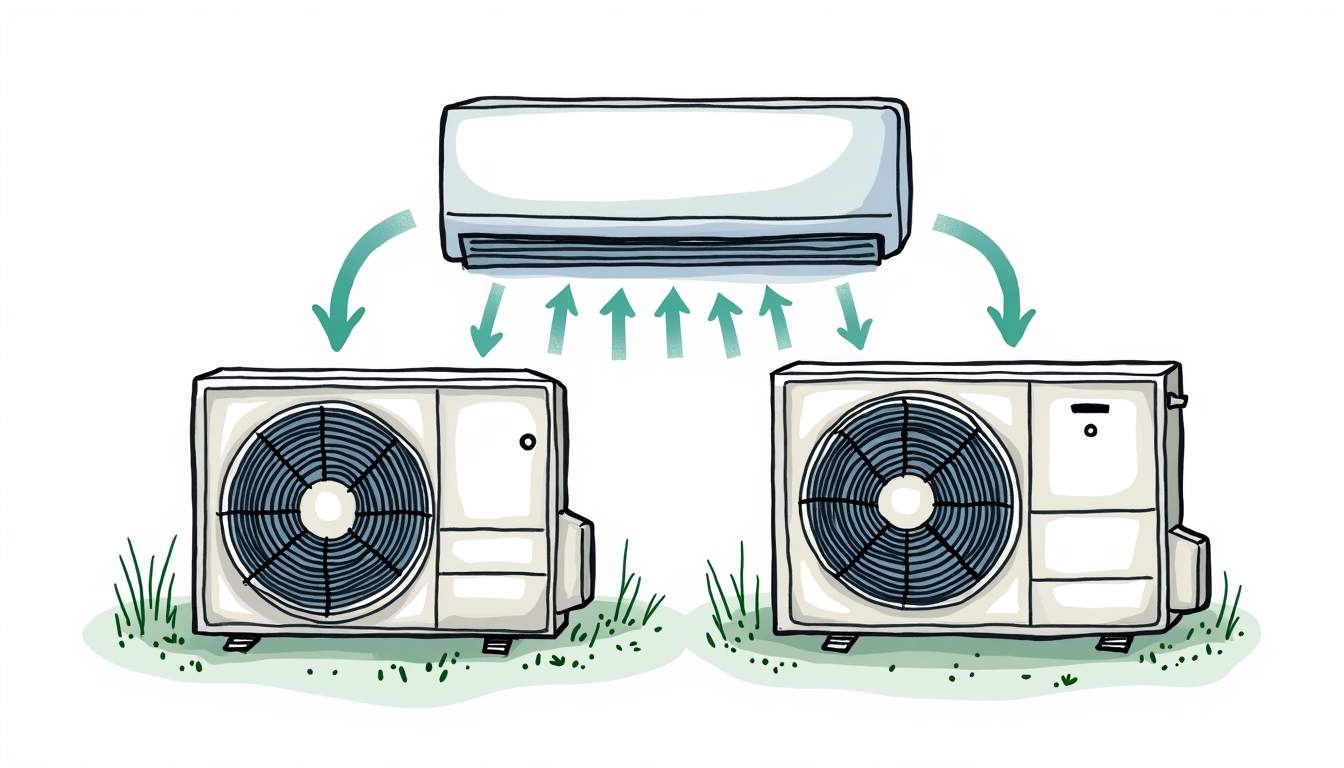
This dual functionality makes hybrids an efficient choice for climates with both hot summers and cold winters. They reduce reliance on gas or oil heating, potentially lowering energy bills and environmental impact. Installation is more complex and costly upfront, but the long-term savings can be significant.
Hybrid systems also often come with smart thermostats that learn your schedule and adjust settings automatically, improving comfort and efficiency.
Is a Hybrid System Right for You?
Consider a hybrid system if:
- You want an all-in-one heating and cooling solution
- Your region experiences wide temperature swings
- You’re looking to reduce energy consumption and carbon footprint
Geothermal Air Conditioning
Geothermal systems use the stable temperature of the earth to heat and cool your home. Pipes buried underground circulate a fluid that absorbs heat from the ground in winter and dissipates heat back into the earth during summer.
This method is incredibly energy-efficient and environmentally friendly. Geothermal systems can reduce energy bills by up to 50% compared to conventional systems. They also last longer and require less maintenance.
The main drawback is the high installation cost and the need for sufficient land to bury the pipes. However, many homeowners find the investment worthwhile for the long-term savings and sustainability.
Benefits of Geothermal Systems
- Low operating costs
- Quiet and reliable performance
- Minimal environmental impact
Choosing the Right Air Conditioning System
Picking the best air conditioning system depends on your home’s size, layout, budget, and cooling needs. Here are some quick pointers to help guide your decision:
- For whole-home cooling: Central air conditioning is usually the best choice if you have ducts.
- No ducts or need for zoning: Ductless mini-splits provide flexibility and efficiency.
- Single-room or temporary cooling: Window or portable units work well.
- Heating and cooling combined: Hybrid systems offer year-round comfort.
- Energy efficiency and sustainability: Consider geothermal if upfront costs aren’t a barrier.
Energy efficiency ratings like SEER (Seasonal Energy Efficiency Ratio) can help compare systems. Higher SEER ratings mean better efficiency and lower operating costs. Also, consider the climate you live in-some systems perform better in certain environments.
Maintaining Your Air Conditioning System
No matter which system you choose, regular maintenance is key to keeping it running efficiently and extending its lifespan. Simple steps include changing or cleaning filters every one to three months, keeping outdoor units clear of debris, and scheduling annual professional inspections.
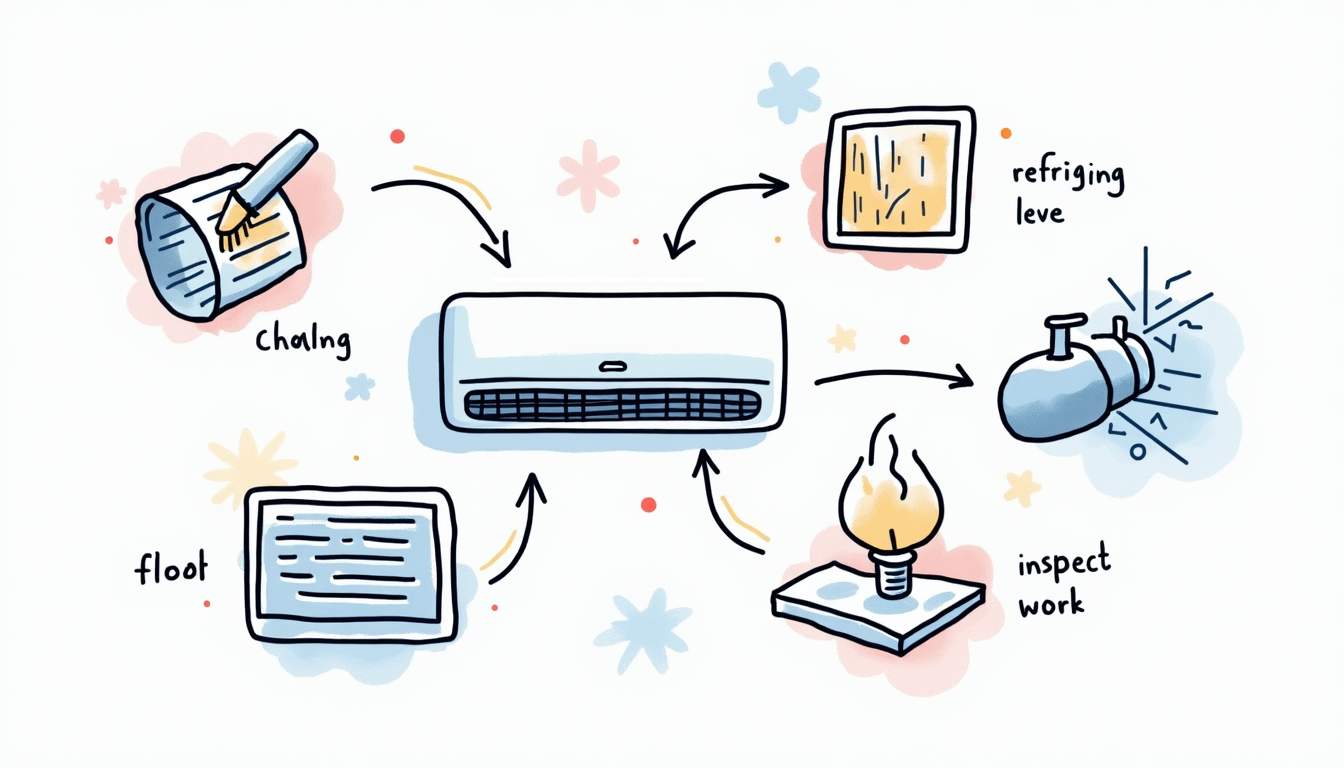
Ignoring maintenance can lead to reduced performance, higher energy bills, and costly repairs. Pay attention to unusual noises, inconsistent cooling, or increased humidity inside your home-these can be signs your AC needs servicing.
Final Thoughts
Understanding the different types of air conditioning systems can save you time, money, and frustration. Each system has its strengths and weaknesses, so matching one to your specific needs is crucial. Whether you want a powerful central system, a flexible ductless option, or an eco-friendly geothermal setup, there’s a solution out there to keep your home comfortable all year long.
Investing in the right air conditioning system and maintaining it properly ensures you’ll enjoy cool, refreshing air whenever you need it, without breaking the bank.
