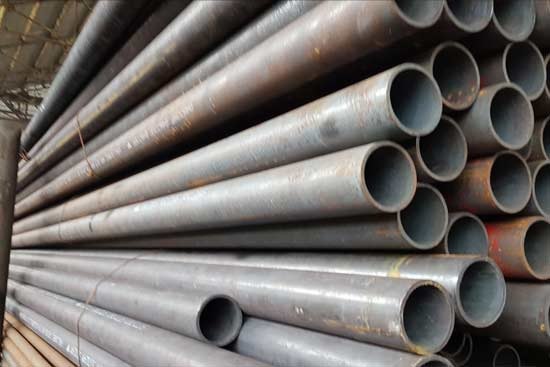
When you are dealing with steel pipelines daily, you might be worried about the pipes’ corrosion as well. But not now, as there are many ways you can protect it from corrosion. You will also realize that preventing corrosion is not just a maintenance task; it’s a long-term investment in safety, efficiency, and cost savings. When working on an X52 Pipe, be it oil, gas, or structural, the durability of the piece directly corresponds to its protection. These practices have decades of experience in the industry. Keeping that in mind, this blog curates the tried and tested methods that ensure that you have these pipes that are free of corrosion. So, stay consistent with the article and know more about the same.
Understanding Why X52 Pipes Need Strong Corrosion Protection
X52 Pipe is constructed to resist high pressure and perform in harsh environments. However, even the strongest steel types may be ruined if exposed to moisture, chemicals, changes in temperature, and soil. The process of corrosion not only weakens the pipe but also prolongs downtime, increases repair costs, and increases the risk of leaks. In comparison, stronger grades, such as X65 Pipe, have the same threat to the environment; this is why protective strategies are needed in both cases.
Using Protective Coatings for X52 Pipe Longevity
One of the best methods for protecting steel pipelines from corrosion is coating. Now you can achieve much more sophisticated finishes than you could 30 years ago. This significantly increases the service life of an X52 Pipe.
1. Fusion Bonded Epoxy (FBE) Coating
FBE has emerged as one of the leading types of coatings used by operators of pipelines due to the creation of a tough, uniform layer that is formed around the steel. They are also superior in buried pipes or submerged pipes, as well as on X52 and X65 Pipe applications.
2. 3-Layer Polyethylene (3LPE) Coating
3LPE is a composite of epoxy, adhesive, and polyethylene layers to provide excellent chemical resistance and moisture protection. It is particularly recommended for pipelines laid in aggressive soil environments.
3. Polyurethane Coating
Polyurethane coatings are high-performance, abrasion-resistant, and, when pipes are subjected to mechanical abuse, the most suitable. This increases their suitability in high-traffic, industrial, or marine environments.
Corrosion-Resistant Treatments for X52 Pipes
Apart from coatings, steel pipes benefit significantly from treatments that change or strengthen the metal surface.
Cathodic Protection
Against corrosion, this electrochemical technique involves sacrificial anodes or impressed current to prevent corrosion. Cathodic protection is one of the most reliable methods that has been in use for decades on underground X52 pipelines.
Galvanizing
Rust and oxidation are kept at bay by a hot-dip galvanized layer of zinc. Besides structural steel, it is also used to extend the service life of pipelines in a moderate environment.
Internal Lining
Liquids transported through an X52 Pipe can also cause internal corrosion. Cement mortar or epoxy linings isolate the pipe from deposits, scaling, and chemical wear caused by the flow of the pipe.
Best Practices for Maintaining X52 Pipe Performance
Even with the best coatings and treatments, maintenance remains the backbone of corrosion prevention.
- Regular inspections using ultrasonic or magnetic testing
- Timely repair of coating damage
- Monitoring moisture levels and soil corrosiveness
- Adopting proper storage methods before installation
- Keeping records of pipe history, repairs, and environmental conditions
These practices ensure that both X52 Pipe and X65 Pipe systems operate safely and efficiently for decades.
Final Thoughts
Preventing corrosion of X52 Pipes is not a one-time effort but a continuous process. If you use the right paints, tested treatments, and regular servicing, you can extend the life of your pipelines and lessen the chances of operational risks. Spending on dependable corrosion protection now is equated to better and safer pipeline performance in the future.
