Planning a trip to Morocco in 2025 means stepping into a world where ancient traditions blend seamlessly with modern comforts. From vibrant souks and golden deserts to majestic mountains and coastal towns, Morocco offers experiences that feel both timeless and refreshing. But to truly enjoy everything the country has to offer, you need more than a standard itinerary—you need insight, cultural awareness, and smart planning. Here are the top tips and tricks to help you prepare for a meaningful journey through one of North Africa’s most intriguing destinations.
1. Start With the Right Regions and Experiences
Morocco is incredibly diverse, so your first step is deciding what type of trip you want. Are you dreaming of wandering the medina of Marrakech, hiking through the Atlas Mountains, sleeping in a desert camp under the stars, or exploring the blue-washed alleys of Chefchaouen? Each region has its own charm and rhythm, and choosing well is key to planning Authentic Morocco Travel. While Marrakech and Fes are cultural hubs, southern regions like Merzouga and Zagora offer unforgettable desert experiences. Coastal cities like Essaouira and Agadir are perfect for slower-paced travel, offering beachside cafés, seafood markets, and a breezy escape from the crowds.
2. Book Accommodations That Reflect Local Culture
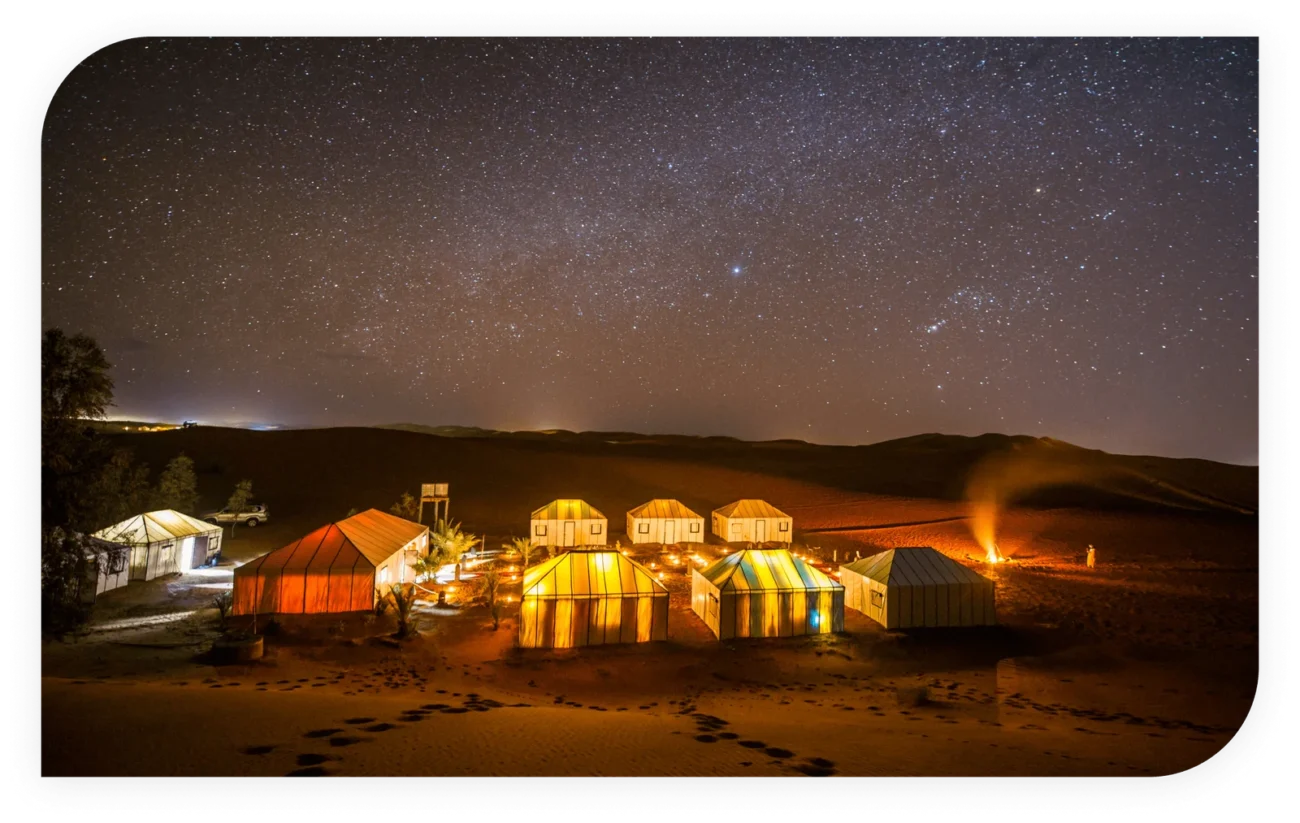
Morocco is famous for its riads—traditional homes with inner courtyards transformed into boutique stays. Choosing a riad instead of a standard hotel immediately immerses you in local architecture, design, and hospitality. These stays often include homemade breakfasts, rooftop views, and quiet corners perfect for relaxing after exploring busy streets. For desert adventures, consider eco-friendly camps or Berber-style lodges that allow you to experience nomadic traditions without giving up comfort.
3. Understand Local Etiquette and Customs
Moroccan culture places great importance on respect and hospitality. Learning a few basic Arabic or Amazigh phrases, dressing modestly in conservative towns, and showing respect inside religious areas will go a long way. Ask permission before taking photos of people, especially in rural regions. When shopping in souks, bargaining is expected—but keep it friendly and fun. A warm attitude often opens doors, creates better interactions, and leads to genuine travel moments you’ll remember.
4. Know the Best Time to Visit
Morocco’s climate varies from region to region, so choosing the right season will shape your experience. Spring (March–May) and autumn (September–November) offer comfortable temperatures ideal for sightseeing, hiking, and desert trips. Summer is great for coastal vacations, though inland cities can be extremely hot. If you’re planning to climb Mount Toubkal or trek in the Atlas Mountains, late spring and early autumn provide the best conditions. Advance planning is essential for 2025, as rising tourism demand may lead to early bookings in top destinations.
5. Travel Smart Inside the Medinas
Navigating Moroccan medinas can feel like entering a maze for first-time travelers. Narrow alleyways, colorful stalls, and bustling crowds can be overwhelming, but they are also part of the charm. Use landmarks—like minarets, fountains, or well-known cafés—to orient yourself. Google Maps can be unreliable inside the medina, so consider downloading an offline map or asking shopkeepers for help. Just be cautious of unsolicited guides who may demand payment after offering directions.
6. Choose Desert Experiences Wisely
A desert excursion is often a highlight of any Moroccan adventure, but choosing the right location matters. Merzouga (near the Erg Chebbi dunes) offers dramatic landscapes and luxury camps, while Zagora provides a more accessible desert experience from Marrakech. Opt for tours that include camel rides, stargazing, Berber music, and traditional meals. For a more comfortable journey, consider a 2–3 day itinerary so you can witness both sunset and sunrise over the dunes without rushing.
7. Enjoy Morocco’s Food Scene Beyond the Basics
Most travelers know about tagine and couscous, but Moroccan cuisine has much more to offer. Try pastilla, harira soup, mechoui (slow-roasted lamb), and fresh seafood along the coast. Street food such as briouats, msemen, and grilled skewers are safe and delicious when purchased from busy local spots. Vegetarians will also find plenty of flavorful options, thanks to Morocco’s rich use of spices and vegetables. Don’t forget to sip Moroccan mint tea—it’s not just a drink but a symbol of hospitality.
8. Pack Smart and Respect the Climate
What you pack depends on where you’re traveling. Light, breathable clothing is perfect for cities and deserts, while warmer layers are essential for night temperatures in winter or mountain regions. Comfortable walking shoes are a must for medina exploration. Power adapters, sunscreen, reusable water bottles, and small daypacks are practical essentials. If visiting religious sites, carrying a scarf or shawl is useful for covering shoulders.
9. Focus on Slow, Meaningful Travel
Morocco is best experienced slowly. Instead of packing your itinerary with too many cities, choose fewer destinations and allow time for genuine cultural exchanges—sharing tea with locals, learning pottery in Fes, or shopping from artisans directly. Slow travel not only reduces stress but also deepens your connection to the country’s traditions and craftsmanship. Visiting local cooperatives and supporting small family businesses is also a great way to contribute positively to the communities you explore.
10. Choose Reliable Local Guides and Tours
Whether you’re exploring ancient medinas, trekking in the mountains, or crossing the desert, a knowledgeable local guide can enrich your journey. Look for guides with strong cultural understanding, safety awareness, and ethical practices. As tourism grows in 2025, travelers will increasingly seek curated experiences that blend authenticity with comfort. Many visitors prefer to Book Morocco Tours tailored to their interests—whether culinary, historical, cultural, or adventure-based. A well-organized tour can save time, eliminate travel stress, and ensure you experience hidden gems you might otherwise miss.
11. Stay Safe but Adventurous
Morocco is one of the safest countries for travelers in North Africa, but basic precautions are still important. Keep valuables secure, avoid walking alone in deserted alleyways at night, and use authorized taxis or private transfers. Stay aware in crowded areas to avoid pickpockets. At the same time, don’t shy away from adventure—Morocco thrives on spontaneity. Some of the best experiences happen when you explore the unexpected.
Summary
Planning an authentic trip to Morocco in 2025 requires thoughtful preparation and cultural awareness. The country offers diverse experiences—from lively medinas and historic cities to vast deserts, mountain trails, and breezy coastal towns. Choosing meaningful destinations, staying in traditional riads, and understanding local etiquette help travelers connect more deeply with Moroccan culture. Ideal travel seasons include spring and autumn for pleasant weather, while desert and mountain adventures require careful planning.
Navigating medinas, enjoying regional cuisine, and packing appropriately ensure a smoother journey. Slow travel, supporting local artisans, and hiring knowledgeable guides enhance the overall experience. Many visitors prefer to book curated Morocco tours for convenience and insider access to hidden gems. With smart choices and respect for tradition, travelers can enjoy a safe, enriching, and truly memorable Moroccan adventure in 2025.
The Hidden Life of Damaged Cars and the Role of the Auto Salvage Industry
Everything to Know Before Getting Skin Glowing Injections
iPhone Repair Shop Chatham – Reliable Repairs at Mega Fone
How long does BuildAfricasa delivery take?
Best Aesthetic Clinic in dubai for Fillers Who Understand Facial Harmony
