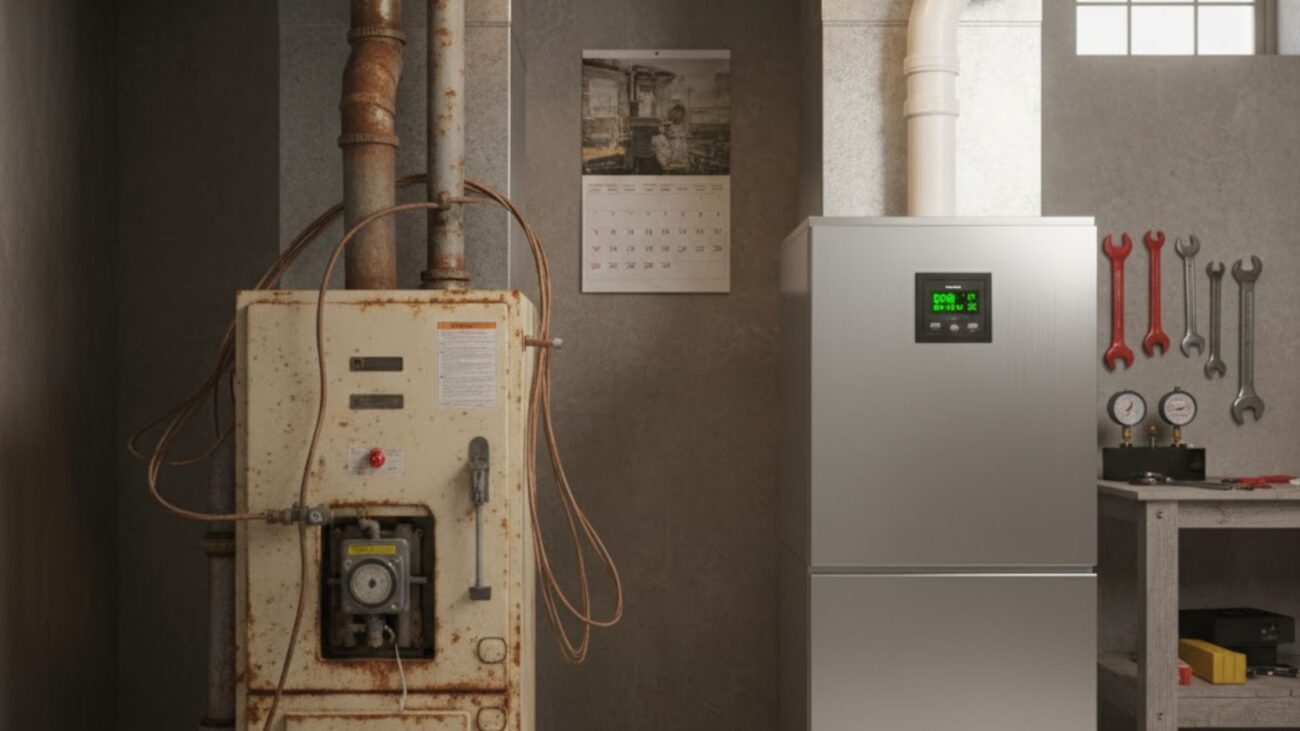
A gas furnace is one of the most reliable heating systems in modern homes, but like every appliance, it has a limited lifespan.
Gas furnaces play an important role in keeping homes warm through cold seasons, especially in areas where temperatures drop drastically.
Many homeowners eventually wonder how long a furnace can last before it needs to be replaced. The answer depends on several factors, including maintenance habits, home conditions, usage levels, and installation quality. With proper care, a furnace can run for many years, but it will eventually reach a point when repairs are no longer cost-effective. That is when replacement becomes necessary.
This detailed guide covers everything a homeowner needs to know about the lifespan of gas furnaces, the warning signs of aging systems, factors that shorten or extend furnace life, repair vs. replacement decisions, installation impacts, and how trusted companies like The AC Outlet help homeowners maintain comfort year-round.
The Average Lifespan of Gas Furnaces
Most gas furnaces last between 15 and 20 years. Some may even operate for more than 25 years when maintained properly, while others fail much earlier due to neglect, improper installation, or heavy usage.
A furnace has many moving parts, safety components, and heat-producing elements that naturally wear down over time. How long the system lasts largely depends on how well it is cared for and how often it is used.
Why Gas Furnaces Don’t Last Forever
Gas furnaces face constant heat cycles, airflow demands, and component stress. Over many years, these factors create wear and tear:
- Metal components expand and contract every time the furnace runs.
- Burners collect dust, soot, and debris.
- Motors and fans lose efficiency.
- Heat exchangers weaken with age.
- Safety elements become less responsive.
Even with routine tune-ups, the system cannot function forever. At some point, repairs become more frequent or more expensive, and a replacement becomes the smarter financial choice.
Factors That Affect the Lifespan of Gas Furnaces
Quality of Installation
The lifespan of a furnace begins with installation. A poorly installed system will struggle from the start.
Incorrect duct sizing, inadequate airflow, incorrectly set gas pressure, or improper venting puts extra stress on the furnace. When The AC Outlet installs a heating system, every detail is checked to ensure the furnace operates safely and efficiently for years.
Maintenance Frequency
Routine maintenance is the number one factor that keeps gas furnaces running longer.
A furnace that receives an annual inspection and tune-up typically lasts much longer than one that never receives attention. Maintenance prevents major breakdowns, clears dirty components, improves airflow, and keeps the system working with less strain.
Usage and Climate
Homes in colder climates run their gas furnaces more frequently. This increases wear on internal components.
A home in a mild climate may only run the furnace for a few months each year, helping the system last longer. In contrast, homes with long winters often push their furnace to the limit every season.
Air Filter Changes
One of the simplest tasks that impacts furnace longevity is air filter replacement. A clogged filter makes the furnace work harder to move air, putting stress on the blower motor and limiting heat flow. This can cause overheating and shorten the furnace’s lifespan.
System Size and Load
An oversized or undersized furnace wears out faster. Oversized furnaces cycle on and off quickly, while undersized models run continuously. Proper sizing is essential to ensure the system lasts its full lifespan.
Signs Your Gas Furnace Is Nearing the End of Its Life
While age is the biggest indicator, several performance symptoms tell homeowners it may be time to consider replacement.
More Frequent Repairs
If a furnace needs repair after repair, especially within the same heating season, the system is likely wearing out. Most experts agree that if repair costs reach 50% of the cost of a new furnace, replacement becomes the better option.
Higher Energy Bills
As components age, a furnace loses efficiency. It must work harder to produce the same amount of heat, which increases utility costs. A sudden rise in the heating bill is usually a sign of declining performance.
Uneven Heating or Cold Spots
A failing furnace often struggles to push warm air evenly through the home. Some rooms may feel warm while others remain cool, indicating the system is losing heating capacity.
Strange Noises
Banging, rattling, popping, scraping, or humming noises can mean components are malfunctioning. Aging motors, loose panels, and failing heat exchangers often cause unusual sounds.
Dust, Soot, or Poor Air Quality
A furnace nearing the end of its life may release excess dust or soot due to dirty burners, weak airflow, or heat exchanger problems.
Yellow or Flickering Burner Flame
A healthy gas furnace flame should burn blue. A yellow flame can indicate incomplete combustion or a dangerous carbon monoxide risk. This requires immediate attention from a professional.
How to Extend the Lifespan of Gas Furnaces
Although gas furnaces eventually need replacement, proper care can push their lifespan to the upper end of the average range.
Schedule Annual Tune-Ups
Maintenance helps technicians catch small problems early. Cleaning components, tightening connections, and checking gas pressure all help the furnace run more efficiently and safely.
Replace the Air Filter Regularly
Filters should be changed every 30 to 90 days depending on usage, pets, and dust levels in the home. A clean filter helps airflow and reduces stress on the system.
Keep Vents and Registers Clear
Blocked vents cause airflow problems and force the furnace to work harder. Furniture, curtains, and rugs should be kept away from vents.
Ensure Proper Thermostat Settings
Using a smart thermostat helps reduce unnecessary furnace operation. Even lowering the temperature by 2 to 3 degrees at night can reduce wear.
Address Minor Issues Quickly
Strange smells, noises, or performance changes should be checked immediately. Ignoring small issues often leads to major breakdowns.
When Repairs Are No Longer Worth It
At some point, repairing a furnace becomes more expensive than replacing it. Smart homeowners consider long-term value instead of short-term savings.
Cost of Repairs
If a repair costs more than one-third of a new furnace, replacement may be the smarter option.
Age of the System
If a furnace is close to or past 15 years, investing heavy money into repairs may not be wise.
Energy Efficiency
Newer furnaces are far more efficient. Replacing an old 70% AFUE model with a modern 95% AFUE furnace can significantly reduce energy bills.
Comfort Levels
Older units often struggle to warm the home evenly. A newer furnace improves temperature control, air quality, and overall comfort.
Benefits of Replacing an Old Gas Furnace
A new furnace brings several long-term advantages.
Improved Efficiency
Modern gas furnaces use less energy while producing more heat, leading to lower utility bills.
Better Indoor Air Quality
Newer systems offer improved filtration, cleaner combustion, and better airflow.
Higher Home Comfort
Homeowners experience more consistent temperatures and better humidity control.
Reduced Repair Costs
A new furnace eliminates the stress of frequent breakdowns and expensive fixes.
Increased Safety
Newer safety features reduce the risk of carbon monoxide leaks and combustion issues.
Why Professional Installation Matters
A furnace’s lifespan depends heavily on installation quality. The AC Outlet ensures:
- Proper furnace size for the home
- Correct airflow and duct measurements
- Safe gas connections
- Secure venting and exhaust setup
- Accurate thermostat configuration
A professionally installed system lasts longer, performs better, and requires fewer repairs.
How The AC Outlet Helps Homeowners Make the Right Decision
The AC Outlet provides expert inspection, maintenance, and replacement guidance. When homeowners face the choice between repairing or replacing their furnace, the team evaluates:
- Furnace age
- Repair history
- Cost of upcoming repairs
- Overall efficiency
- Home comfort needs
- Safety concerns
They offer honest recommendations based on long-term value and reliability.
Conclusion
When it comes to the question of how long gas furnaces last before needing replacement, most systems work reliably for 15 to 20 years when properly maintained. As the system ages, issues like higher energy bills, uneven heating, noises, and frequent repairs begin to show. At that point, a replacement often becomes the more practical option.
From installation quality to maintenance habits, many factors influence how long a furnace will operate before failing. Companies like The AC Outlet play a major role by helping homeowners care for their systems, extend furnace life, and choose the right time for replacement. In the end, homeowners benefit from comfort, efficiency, and peace of mind when working with trained professionals who understand the full life cycle of gas furnaces.
Here, you can find more articles.
Corteiz Hoodie: A Symbol of Underground Prestige and Streetwear Royalty
7 Things to Know Before Hiring a Concrete Foundation Contractor
Good Air Filters for Home and How They Protect Your Health
How Did Trapstar Build a Powerful Identity in Global Street Culture?
Dentist in DHA Lahore – How to Find the Best Dentist in Lahore for Quality Dental Care
