Choosing eyewear has always been a mix of comfort, style, and practicality. But over the last few years, another factor has joined the list: sustainability. More people are beginning to look for options that are kinder to the planet, and this shift has led to a growing interest in recycled material eye glasses. These frames are designed from materials that would normally be discarded—like plastics, metals, ocean waste, and even old vinyl records.
If you’re thinking about buying a pair, it’s completely normal to wonder what exactly makes them different, how they perform in daily life, and whether they’re worth the switch. This guide breaks down everything you should know before choosing recycled frames, helping you make a confident and informed decision.
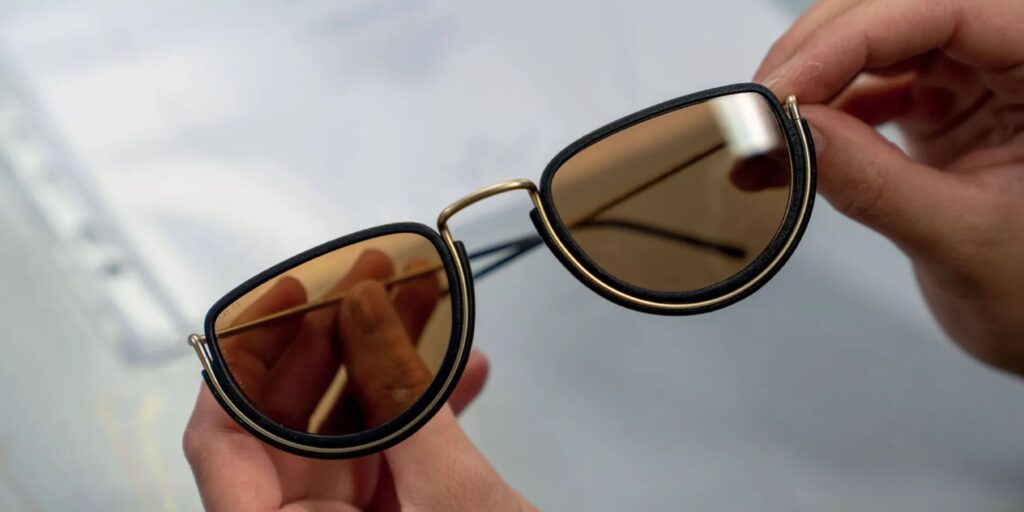
Understanding How Recycled Material Eye Glasses Are Made
Recycled eyewear is crafted from materials that have already lived one life before becoming a new product. Instead of using fresh plastic or newly mined metal, manufacturers recover and repurpose existing resources.
Common materials include:
- Post-consumer plastics, such as bottles and packaging
- Discarded fishing nets and other ocean waste
- Recycled metals, including aluminum and stainless steel
- Reclaimed vinyl, often used to create stylish, durable frames
- Bio-based blends, combining recycled elements with natural materials
What makes these materials meaningful is that they reduce the demand for virgin resources. Instead of throwing away usable materials, they are transformed into functional, high-quality eyewear.
Are Recycled Frames as Durable as Regular Frames?
One of the most common questions people ask is whether recycled frames can handle everyday use. The answer is encouraging: many recycled materials equal, and sometimes surpass, the durability of traditional plastics.
For example:
- Recycled ocean plastics are often tougher due to high-density construction.
- Recycled metals maintain the same strength as newly mined metals.
- Recycled vinyl—like the kind used in some designer eyewear—offers a sturdy yet flexible structure.
Strength varies depending on the brand and the specific material, but recycled frames are generally built with durability in mind. Most manufacturers also ensure their products undergo the same testing standards as conventional frames.
Comfort and Fit: What to Expect
Comfort is a huge part of choosing glasses, whether they’re made from recycled material or not. The good news is that many eco-friendly eyeglasses are designed with ergonomics in mind.
Recycled plastics tend to be lightweight, which is great for people who wear glasses all day. Some recycled metals are slightly heavier, but they often provide a more premium feel. Adjustable nose pads, flexible hinges, and well-balanced frame designs help maintain comfort regardless of the base material.
If you’re shopping online, look for:
- Accurate frame measurements
- Bridge width details
- Face shape recommendations
- Weight information
These simple details make choosing the right pair much easier.
How Do They Perform in Different Lifestyles?
Recycled material eye glasses work well for most daily needs, whether you’re at work, outdoors, or traveling. Here’s how they typically perform across various lifestyles:
For office workers: Lightweight and stylish recycled frames fit naturally into professional settings. Many designs also support blue-light lenses.
For outdoor lovers: Frames made from recycled ocean plastics or metals often hold up well against sunlight, sweat, and rough use. Eco friendly sunglasses made from recycled materials provide the added benefit of UV protection.
For travelers: Compact, light frames made from recycled materials are convenient to pack and comfortable to wear for long periods.
For active users: Some brands offer flexible, impact-resistant recycled materials that make frames suitable for sports or physical activities.
Environmental Benefits That Make a Real Difference
Choosing glasses made from recycled materials reduces waste and supports the shift toward a circular economy. Some of the biggest environmental advantages include:
- Less plastic pollution, especially from ocean waste reuse
- Lower carbon footprint, since recycled manufacturing often requires less energy
- Reduced landfill waste, especially from post-consumer plastics
- More sustainable fashion choices, encouraging long-term environmental responsibility
- Support for recycling systems, creating demand for collected waste materials
Each pair may seem small, but collectively, they make a meaningful difference.
Style Options: Do You Have Enough Choices?
A few years ago, recycled frames were mostly basic and limited in design. Today, things have changed dramatically. Because recycled materials are more advanced and easier to shape, you can find:
- Minimalistic thin-frame styles
- Bold, thick frames with personality
- Transparent recycled plastics
- Vintage-inspired round frames
- Classic rectangle and square designs
- Trendy oversized silhouettes
- Colorful options made from reclaimed materials
Whether you prefer something subtle or something that stands out, there are plenty of choices.
Price: Are Recycled Glasses More Expensive?
Prices vary widely. Some recycled frames fall in the budget range, while designer eco friendly eyeglasses can be more premium. The final price depends on:
- Material sourcing
- Manufacturing process
- Brand craftsmanship
- Design complexity
In many cases, recycled glasses cost the same as regular eyewear. When they are slightly more expensive, it’s usually due to higher-quality materials or specialized recycling processes.
Things to Check Before Buying Recycled Material Eye Glasses
To make sure you’re getting a high-quality pair, here are some important things to review before purchasing:
1. Material transparency
Brands should clearly mention what their frames are made of. Vague descriptions are a red flag.
2. Frame durability
Look for details about the strength, flexibility, and testing standards of the materials used.
3. Lens compatibility
Check whether the frames support your prescription, lens type, or sun lens options.
4. Warranty or quality guarantee
Reliable brands offer at least a basic warranty, which shows confidence in their product.
5. Sustainability claims
Look for brands that participate in verified recycling programs, ocean cleanup efforts, or circular production models.
6. User reviews
Buyers often mention comfort, weight, and durability—these insights can help you make a better choice.
Why Many People Prefer Recycled Frames Today
People who choose recycled eyewear often highlight benefits such as:
- Reduced environmental guilt
- Unique materials and textures
- Lightweight comfort
- Stronger-than-expected durability
- Trendy, modern designs
- The satisfaction of supporting responsible brands
For many, it’s not just about the glasses—it’s about aligning lifestyle choices with personal values.
One Reliable Option Worth Exploring
If you’re curious about wearing glasses made from recycled materials, some brands specialize in turning reclaimed or unconventional materials into stylish eyewear. One such example is Vinylize, known for crafting durable frames from reclaimed vinyl and giving old materials a completely new life. Their craftsmanship and unique designs make them a standout choice for people who want something high-quality and eco-conscious.
Making an Informed Choice That Fits Your Lifestyle
Choosing recycled material eye glasses doesn’t have to be complicated. Think about your daily routine, your style preferences, and the level of durability you expect from your frames. Consider whether you spend more time indoors or outdoors, whether you prefer lightweight plastics or sturdy metals, and how important eco-friendly choices are to you.
If you want to compare sustainable options and learn more about materials that reduce waste, you can explore recycled material eye glasses on resources like this helpful guide: sunglasses made from recycled materials.
Conclusion
Buying recycled material eye glasses is not just a trend—it’s a meaningful step toward more responsible consumption. These frames combine comfort, strength, and style while helping reduce waste and environmental harm. Whether you’re drawn to their unique look, their lighter footprint, or simply the satisfaction of choosing a better alternative, recycled eyewear is a smart and forward-thinking choice.
With more designs, improved materials, and better durability than ever before, it’s a great time to explore sustainable eyewear that aligns with your needs and your values. And when you choose well-crafted recycled frames, you’re not only improving your vision—you’re contributing to a cleaner future for everyone.
