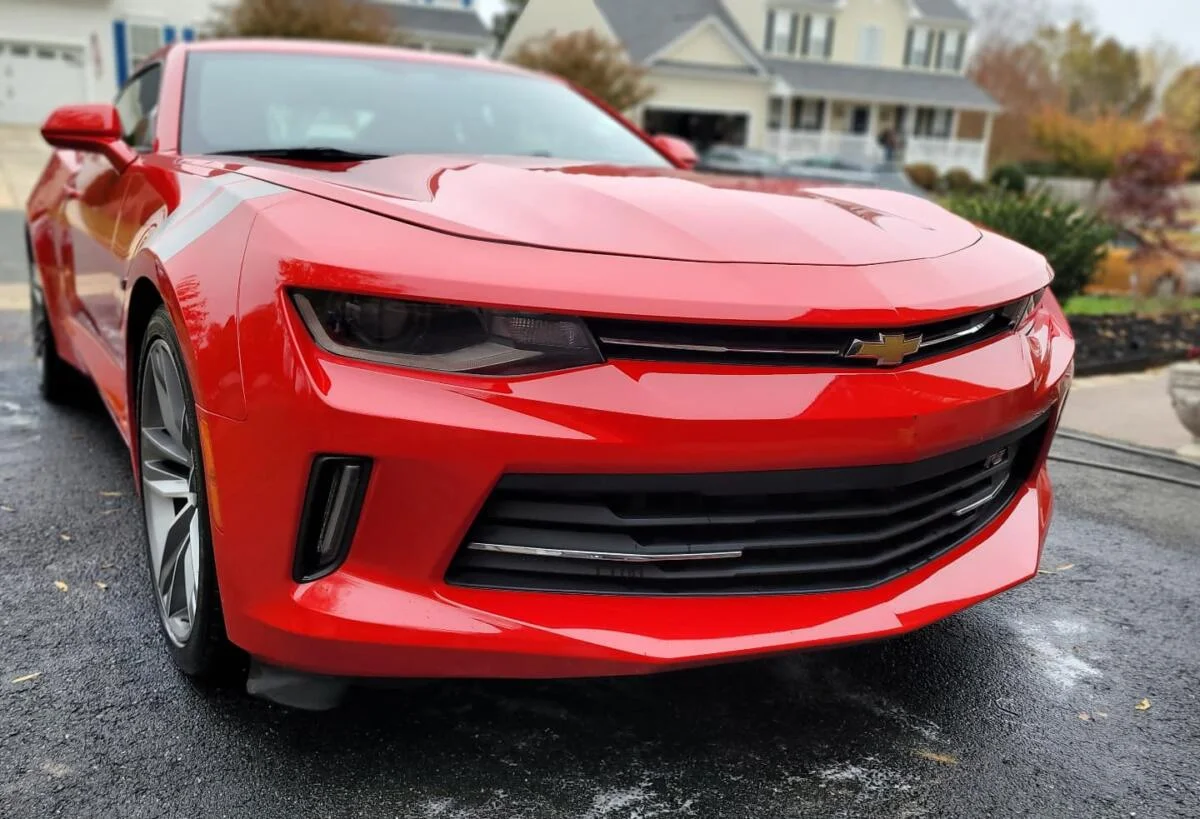
Vehicle wraps are a popular choice in Long Beach for both personal vehicles and business fleets. They offer a way to change a vehicle’s appearance, protect factory paint, and promote a brand without committing to permanent paintwork. But one question comes up repeatedly among coastal drivers: How long do vehicle wraps actually last in Long Beach’s coastal environment?
The short answer is that wraps can last several years—but the coastal climate plays a bigger role than many people realize. Salt air, sun exposure, and everyday driving habits all affect durability. Understanding these factors can help you set realistic expectations and extend the life of your wrap.
Average Lifespan of a Vehicle Wrap
In ideal conditions, a professionally installed vinyl wrap typically lasts 5 to 7 years. In Long Beach, most well-maintained wraps realistically last 4 to 6 years. That difference isn’t due to poor materials or installation—it’s largely environmental.
Coastal conditions are harder on vinyl than inland climates. The combination of UV exposure, salt in the air, and fluctuating humidity slowly breaks down the vinyl’s surface, even if it looks fine at first glance.
That said, lifespan isn’t fixed. Two vehicles parked on the same street can have very different outcomes depending on how they’re used and maintained.
How Coastal Air Affects Vinyl Wraps
Living near the ocean has its perks, but it also introduces challenges for vehicle wraps.
Salt in the Air
Salt particles in coastal air settle on vehicle surfaces daily. Over time, this residue can:
- Dry out vinyl
- Accelerate adhesive aging
- Increase the risk of edge lifting if not cleaned regularly
Salt doesn’t usually cause sudden failure, but it speeds up gradual wear. This is why wraps near the coast often fade or stiffen sooner than those installed farther inland.
Sun and UV Exposure
Long Beach gets a lot of sun, even with marine layer mornings. UV rays are one of the biggest contributors to vinyl degradation. Dark colors, especially black, red, and deep blue, tend to show fading earlier.
A personal observation from years around wrapped vehicles: the hood and roof almost always age faster than the doors, simply because they face direct sunlight more often. Many people assume the vinyl was defective, when it’s really exposure-related.
Parking Habits Matter More Than You Think
One of the most common mistakes vehicle owners make is assuming wrap durability is only about material quality. In reality, where and how you park has a huge impact.
Consider these scenarios:
- A wrapped car parked outdoors daily near the coast may lose its gloss a year earlier.
- The same wrap, parked in a garage or shaded structure, can easily gain an extra year or two of life.
If garage parking isn’t an option, even partial shade during peak afternoon hours can slow UV damage significantly.
Driving Conditions and Daily Use
Wrap longevity also depends on how the vehicle is driven.
Highway driving exposes vinyl to:
- Constant wind resistance
- Road debris
- Salt mist carried from coastal roads
Fleet vehicles or daily commuters tend to see wear sooner than weekend or secondary vehicles. Front bumpers and mirrors usually show the first signs of aging, such as dullness or minor lifting.
Maintenance: The Biggest Lifespan Multiplier
Proper maintenance can add 12–24 months to a wrap’s lifespan in coastal environments.
Here’s what experienced installers consistently recommend:
- Hand wash only, using mild, wrap-safe soap
- Rinse thoroughly to remove salt residue
- Dry with microfiber towels instead of air drying
- Avoid automatic car washes with stiff brushes
One insider tip that’s often overlooked: rinse your wrapped vehicle with plain water once a week, even if you don’t do a full wash. This simple habit removes salt buildup and makes a noticeable difference over time.
Does Ceramic Coating Help?
Yes—but only when applied correctly.
A ceramic coating designed for vinyl can:
- Reduce UV damage
- Make cleaning easier
- Add a layer of protection against salt and contaminants
However, ceramic coating doesn’t make a wrap permanent. It slows aging; it doesn’t stop it. Think of it as sunscreen rather than armor.
According to installers who regularly work with coastal vehicles, wraps that receive ceramic coating within the first month tend to retain color and flexibility longer than unprotected vinyl.
Quality of Installation Still Matters
Even in perfect conditions, poor installation shortens lifespan.
Common installation-related issues include:
- Overstretched vinyl on corners
- Improper edge sealing
- Installing during incorrect temperature conditions
These problems often don’t show immediately. Six to twelve months later, edges may start lifting or shrinking, especially in coastal climates where temperature and humidity fluctuate.
As explained in this guide on vehicle wraps long beach, professional installation techniques and proper post-install care play a major role in long-term durability, particularly near the coast.
Realistic Expectations for Long Beach Drivers
If you’re in Long Beach, a realistic expectation for a quality wrap is:
- 4–5 years with average care and outdoor parking
- 5–6+ years with good maintenance and some shade or garage parking
Partial wraps and decals may last slightly longer because they experience less overall exposure. Full wraps, especially dark or matte finishes, may show aging sooner.
