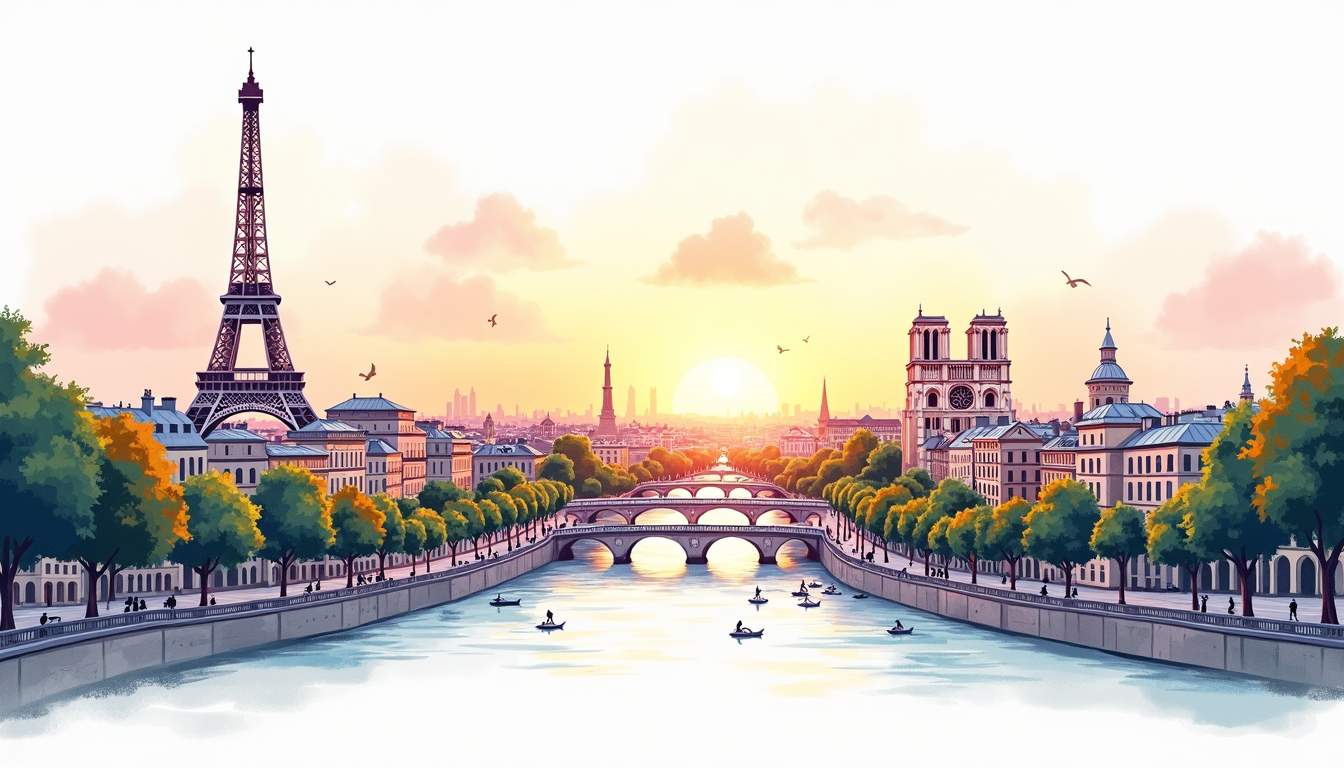
Walking through Paris feels like stepping into a living postcard. The city’s charm isn’t just in its famous monuments, but in the way history, art, and modern life blend seamlessly. From the soaring spires of Gothic cathedrals to the chic cafés lining cobblestone streets, Paris offers a unique mix of grandeur and intimacy.
The Eiffel Tower: A Timeless Symbol
Few landmarks capture the spirit of Paris quite like the Eiffel Tower. Originally built for the 1889 Exposition Universelle, this iron lattice tower was once met with skepticism. Today, it stands as a beloved icon visible from nearly every corner of the city.
Visiting the Eiffel Tower is more than just snapping photos. Whether you ascend to the second floor for panoramic views or brave the summit for a breathtaking perspective, the experience is unforgettable. At night, the tower sparkles with thousands of lights, creating a magical atmosphere that draws both locals and tourists alike.
For those seeking a quieter moment, the Champ de Mars park at the tower’s base offers a perfect picnic spot. Watching the tower light up as the sun sets is a quintessential Parisian experience.
As you stroll through the park, the lush greenery and carefully manicured lawns provide a serene backdrop to the towering structure. Families gather on blankets, sharing laughter and stories, while street performers entertain passersby with music and art. The vibrant atmosphere is a testament to the Eiffel Tower’s ability to bring people together, transcending cultural boundaries and creating shared memories.
Additionally, the Eiffel Tower’s history is rich with fascinating anecdotes. Did you know that Gustave Eiffel, the engineer behind the tower, initially faced fierce opposition from Parisian artists and intellectuals who deemed it an eyesore? Their protests, however, did little to deter the construction, and over time, the tower became a beloved part of the Parisian skyline. Today, it is not only a symbol of France but also a marvel of engineering, showcasing the ingenuity of the late 19th century.
The Louvre: Art and History Under One Roof
The Louvre is not just a museum; it’s a world within walls. Housing thousands of works, from ancient sculptures to Renaissance masterpieces, it’s easy to spend an entire day wandering its vast galleries. With over 380,000 objects in its collection, the museum offers a journey through time, allowing visitors to experience the evolution of art and culture across different civilizations. From the intricate details of Egyptian artifacts to the bold strokes of Impressionist paintings, each piece tells a story that contributes to the rich tapestry of human history.

Most visitors flock to see the Mona Lisa, but the Louvre’s treasures extend far beyond. The Winged Victory of Samothrace and the Venus de Milo are equally captivating. The museum’s architecture itself is a blend of old and new—the glass pyramid entrance contrasts beautifully with the classical palace surrounding it. This juxtaposition not only enhances the aesthetic appeal but also symbolizes the museum’s mission to bridge the past with the present. As you stroll through the halls, you can admire the grand Napoleon III Apartments, which showcase the opulence of 19th-century French design, further enriching your understanding of the historical context in which these artworks were created.
To avoid the crowds, consider visiting early in the morning or late in the afternoon. Guided tours can also provide deeper insight into the stories behind the art, making the visit more enriching. Additionally, the Louvre frequently hosts temporary exhibitions that spotlight specific artists or movements, offering a fresh perspective even for returning visitors. Engaging with these exhibitions can deepen your appreciation for the artistry and the historical significance of the works on display, making each visit a unique experience. For more inspiration on cultural living and travel, explore the following link provided by Living on the Cote d’Azur. Don’t forget to take a moment to relax in the museum’s tranquil courtyards, where you can reflect on the masterpieces you’ve encountered and soak in the ambiance of this iconic cultural institution: https://www.livingonthecotedazur.com/
Notre-Dame Cathedral: Gothic Grandeur and Resilience
Standing on the Île de la Cité, Notre-Dame Cathedral is a masterpiece of Gothic architecture. Its flying buttresses, intricate stained glass windows, and sculpted façades tell stories that span centuries. The cathedral’s construction began in 1163 and took nearly two centuries to complete, showcasing the evolution of architectural styles and techniques over time. The iconic rose windows, particularly the stunning 13th-century stained glass, are not just artistic marvels but also serve as a narrative tool, depicting biblical scenes that have inspired countless visitors throughout the ages.
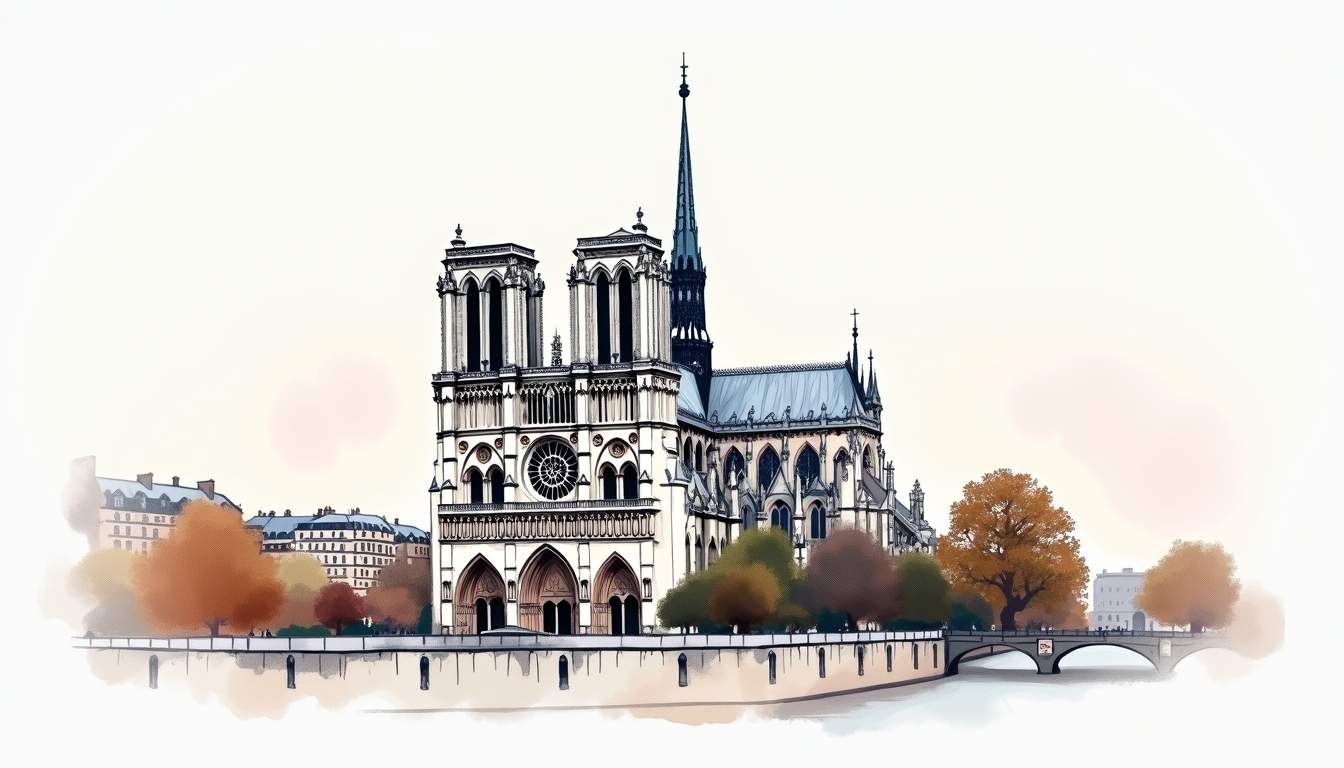
Though the 2019 fire caused significant damage, restoration efforts are underway, and the cathedral remains a powerful symbol of Parisian heritage. The commitment to restoring Notre-Dame reflects not only a dedication to preserving history but also a collective resilience among Parisians and the global community. Visitors can still admire the exterior and the surrounding square, which buzzes with street performers and artists, creating a vibrant atmosphere that echoes the lively spirit of the city. The sounds of musicians playing traditional French melodies blend with the laughter of children, making the area a delightful spot for both locals and tourists alike.
Nearby, the charming streets of the Latin Quarter invite exploration. Filled with bookshops, cafés, and narrow alleys, this area captures the intellectual and bohemian spirit of Paris. The Latin Quarter has long been a hub for scholars and artists, with institutions like the Sorbonne University fostering a rich cultural dialogue. As you wander through its winding streets, you may stumble upon historic landmarks such as the Panthéon, where many of France’s great thinkers are interred, or the picturesque Place de la Contrescarpe, a favorite gathering place for locals. The aroma of freshly baked baguettes and brewing coffee wafts through the air, enticing passersby to pause and indulge in the quintessential Parisian experience of people-watching from a cozy café terrace.
Champs-Élysées and Arc de Triomphe: The Avenue of Celebration
The Champs-Élysées is more than just a grand avenue; it’s a stage for celebrations, parades, and everyday Parisian life. Lined with theaters, cafés, and luxury shops, it stretches from Place de la Concorde to the imposing Arc de Triomphe. This iconic boulevard is not only a shopping paradise but also a cultural hub, where street performers and artists often showcase their talents, adding a vibrant atmosphere that captivates both locals and tourists alike. The annual Bastille Day parade, one of the most significant events in the French calendar, transforms the avenue into a spectacular display of military might and national pride, drawing thousands to witness the grandeur.
Climbing the Arc de Triomphe rewards visitors with sweeping views of the city’s twelve radiating avenues. The monument honors those who fought and died for France, with the Tomb of the Unknown Soldier resting beneath its arches. This poignant tribute serves as a reminder of the sacrifices made throughout French history, and the eternal flame that burns there is rekindled every evening in a solemn ceremony. As visitors gaze out from the top, they can spot famous landmarks such as the Eiffel Tower and the Sacré-Cœur, each telling their own story of Paris’s rich heritage.
Strolling the Champs-Élysées, especially during the evening when the lights glow warmly, offers a taste of Parisian elegance and energy. The air is filled with the enticing aromas of freshly baked pastries and gourmet cuisine wafting from the cafés, inviting passersby to take a moment to indulge. Seasonal events, such as the enchanting Christmas markets that line the avenue, transform it into a winter wonderland, complete with twinkling lights and festive cheer. The Champs-Élysées truly embodies the spirit of Paris, where every step taken is a journey through history, culture, and the vibrant pulse of city life.
Montmartre: Artistic Soul and Panoramic Views
Perched on a hill in northern Paris, Montmartre has long been the haunt of artists and dreamers. Its winding streets, lively squares, and bohemian vibe make it a must-visit neighborhood.
The white-domed Sacré-Cœur Basilica crowns the hill, offering one of the best panoramic views of Paris. Inside, the basilica’s mosaics and peaceful atmosphere provide a striking contrast to the bustling streets below.
Montmartre’s Place du Tertre is alive with painters and caricaturists, echoing the days when Picasso and Van Gogh roamed these streets. Small cafés and hidden gardens invite visitors to linger and soak in the creative spirit.
Seine River: The Heartbeat of Paris
The Seine River weaves through Paris like a silver ribbon, connecting many of the city’s landmarks. A river cruise offers a unique vantage point, revealing the city’s beauty from the water.
Day or night, floating past bridges, historic buildings, and illuminated monuments is a serene way to experience Paris. The banks of the Seine, especially the pedestrian-friendly quais, are perfect for a leisurely stroll or a picnic.
In the warmer months, locals and visitors alike gather here to relax, read, or enjoy impromptu concerts. The river’s presence is a constant reminder of Paris’s rich history and vibrant present.
Urban Elegance: Parisian Streets and Lifestyle
Beyond the landmarks, Paris’s true charm lies in its neighborhoods and everyday scenes. Sidewalk cafés spill onto streets where fashionably dressed Parisians sip espresso and watch the world go by. The city’s architecture, with its Haussmannian buildings and wrought-iron balconies, creates a harmonious urban landscape.
Markets like Marché d’Aligre and Marché Bastille offer fresh produce, cheeses, and flowers, inviting visitors to experience local life. Meanwhile, hidden courtyards and quiet gardens provide peaceful escapes amid the urban bustle.
Paris’s culinary scene, from Michelin-starred restaurants to humble boulangeries, reflects its dedication to quality and tradition. Whether savoring a flaky croissant or indulging in gourmet cuisine, the city’s food culture is an essential part of its elegance.
Conclusion
Paris isn’t just a place to see; it’s a place to feel. Its iconic landmarks are gateways to stories, art, and history, while its streets pulse with life and style. Every corner holds a surprise-whether a breathtaking view, a hidden garden, or a moment of quiet reflection.
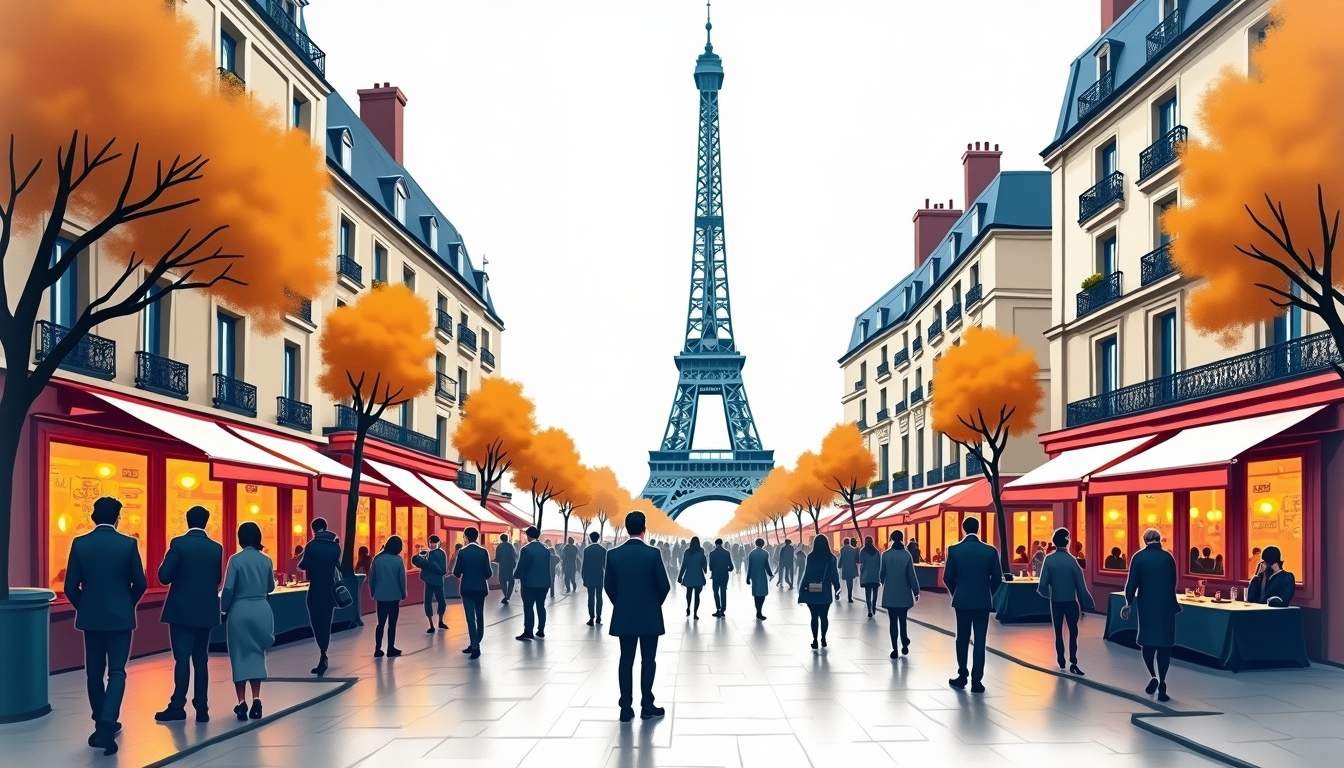
Exploring Paris means embracing both the grand and the intimate, the historic and the contemporary. It’s a city that invites you to slow down, look up, and savor the details that make it endlessly captivating.
