

The healthcare industry is undergoing a massive digital shift. From electronic health records and telemedicine platforms to AI-powered diagnostics and remote patient monitoring, technology is now at the core of modern healthcare delivery. Behind every successful digital healthcare solution are skilled healthcare software developers who understand both technology and the complex healthcare ecosystem.
Digital healthcare transformation is not just about adopting new tools—it’s about creating secure, scalable, and patient-centric systems that improve outcomes while meeting strict regulatory standards. This is where healthcare software developers play a critical and irreplaceable role.
Turning Healthcare Challenges into Digital Solutions
Healthcare systems face unique challenges that traditional software cannot address. Data fragmentation, legacy systems, manual workflows, and growing patient demands often slow down care delivery. Healthcare software developers design custom solutions that streamline these processes.
By building interoperable platforms, developers enable seamless data exchange between hospitals, laboratories, pharmacies, and insurance providers. This integration reduces errors, improves coordination among healthcare professionals, and ensures patients receive faster and more accurate care.
Ensuring Data Security and Regulatory Compliance
Healthcare data is among the most sensitive types of information. Patient records must be protected against breaches while remaining accessible to authorized professionals. Healthcare software developers are trained to implement advanced security measures such as encryption, role-based access controls, and secure cloud architectures.
In addition, they ensure compliance with healthcare regulations like HIPAA, GDPR, and other regional data protection laws. Without experienced healthcare software developers, organizations risk non-compliance, legal penalties, and loss of patient trust.
Powering Telemedicine and Remote Care
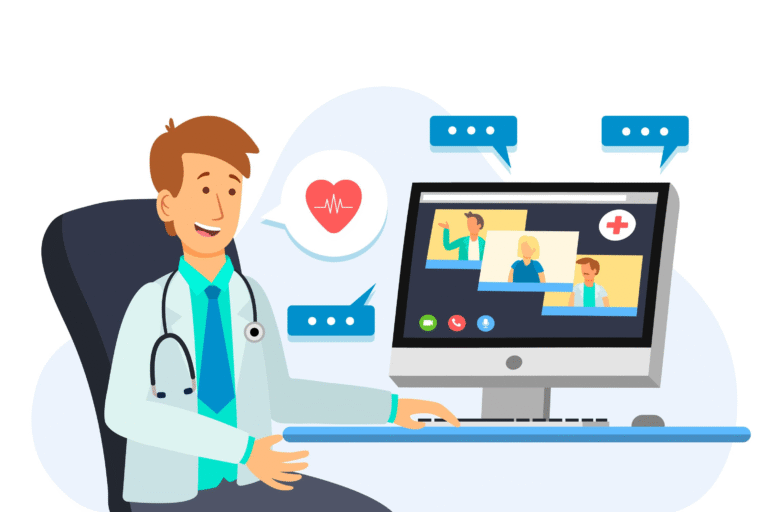
Telemedicine has transformed how patients access healthcare services. Virtual consultations, remote diagnostics, and digital prescriptions have become essential components of modern care delivery. Healthcare software developers build reliable telehealth platforms that offer real-time communication, secure video calls, and seamless appointment management.
They also develop remote patient monitoring systems that integrate wearable devices and IoT technologies. These solutions allow healthcare providers to track patient health data continuously, enabling early intervention and better chronic disease management.
Enabling Data-Driven Clinical Decisions
Modern healthcare relies heavily on data. Healthcare software developers create analytics-driven platforms that convert vast amounts of medical data into actionable insights. By integrating AI and machine learning models, these systems assist clinicians in diagnosis, treatment planning, and risk prediction.
Accurate data analysis improves clinical decision-making, reduces operational costs, and enhances patient outcomes. Developers ensure that these tools are reliable, transparent, and aligned with clinical workflows.
Improving Patient Experience Through Technology
Patient expectations have evolved. People now expect the same level of digital convenience from healthcare as they do from other industries. Healthcare software developers design user-friendly patient portals, mobile apps, and appointment systems that enhance engagement and accessibility.
Features such as online scheduling, digital medical records access, reminders, and secure communication empower patients to take an active role in their healthcare journey. A well-designed digital experience builds trust and long-term patient satisfaction.
Supporting Scalability and Future Innovation
Healthcare organizations must be prepared to scale their digital infrastructure as patient volumes grow and technologies evolve. Healthcare software developers build flexible, cloud-based systems that can adapt to changing needs without disrupting services.
Their expertise also supports future innovations such as AI diagnostics, personalized medicine, blockchain-based health records, and predictive analytics. By investing in robust software development, healthcare providers position themselves for long-term digital success.
Conclusion
Digital healthcare transformation is not achievable without skilled healthcare software developers. They bridge the gap between medical expertise and advanced technology, creating secure, compliant, and scalable solutions that improve care delivery and patient outcomes.
As healthcare continues to evolve, the role of healthcare software developers will only become more vital. Their ability to design intelligent, patient-centric systems ensures that digital transformation leads to meaningful improvements in healthcare quality, efficiency, and accessibility.
Frequently Asked Questions (FAQs)
Top-Rated Beirut Escorts Offering Sophisticated Experiences
Saving Time and Money with a Healthcare Virtual Assistant Today
What to Look for When Choosing a Trade Show Booth Manufacturer in the U.S.?
How Recreational Cannabis Stores Work: Rules and Regulations
Remote Bookkeeping Services Australia: The Invisible Engine Behind Modern Businesses
About the Author