Why Summer Heat Is So Hard on Cars
Heat doesn’t just make your car uncomfortable to sit in. It accelerates chemical breakdown across multiple surfaces. UV rays oxidize paint and plastics. Interior temperatures soar well beyond outside air temps. Rubber seals dry and crack. Fluids thin and degrade faster.
The biggest issue is cumulative exposure. A car parked in direct sunlight every day for months will age years faster than one that’s shaded or properly protected.
Paint Protection: The First Line of Defense
Paint takes the brunt of summer damage. UV radiation slowly breaks down clear coat, causing fading, chalkiness, and eventually peeling if neglected long enough.
To reduce damage:
- Wash regularly to remove contaminants that trap heat
- Use a paint sealant or ceramic coating for UV resistance
- Avoid letting bird droppings or tree sap sit on the surface
A common mistake I see is people washing less often in summer to “avoid water spots.” In reality, built-up grime causes more long-term harm than the occasional spot, especially when heat bakes contaminants into the paint.
Parking Strategy Matters More Than Products
Where you park can be just as important as what you apply to your car. Shade isn’t always available, but even small changes help.
Better parking habits include:
- Choosing partial shade over full sun whenever possible
- Parking with the rear facing the sun to protect dashboards
- Using windshield sunshades consistently, not occasionally
Insider tip: rotating parking orientation—front facing sun one day, rear the next—helps distribute UV exposure instead of constantly cooking the same panels.
Interior Protection: Preventing Heat Damage Inside the Cabin
Interiors often suffer silently during summer. Leather dries out. Plastics fade. Fabrics absorb heat and odors.
Simple protective steps go a long way:
- Apply UV-protectant products to dashboards and door panels
- Condition leather lightly before peak summer heat
- Ventilate the cabin before driving to release trapped heat
One personal observation: many people over-apply interior dressings in summer, thinking more protection is better. Heavy, greasy products actually attract dust and accelerate wear under heat. Light, even protection is far more effective.
Window Tint and Glass Care
Quality window tint reduces interior temperatures, protects upholstery, and improves comfort. Even factory-tinted glass benefits from added UV-filtering film.
If tinting isn’t an option:
- Use reflective sunshades daily
- Keep glass clean to reduce heat absorption
- Treat windshields with hydrophobic coatings to reduce wiper strain
Clear glass may not seem like a heat issue, but untreated glass magnifies interior heat more than most people realize.
Tires and Rubber Components in Hot Weather
Heat increases tire pressure, which affects handling and wear. Rubber components like hoses, seals, and weatherstripping also suffer.
Best practices include:
- Checking tire pressure weekly during heat waves
- Inspecting sidewalls for cracking or bulging
- Conditioning exterior rubber seals lightly
Insider tip: check tire pressure early in the morning, not after driving. Heat from driving can give false high readings and lead to underinflation later.
Fluids and Under-the-Hood Stress
Summer heat pushes engines harder, especially in traffic. Fluids break down faster and cooling systems work overtime.
Pay attention to:
- Coolant condition and proper levels
- Engine oil quality and change intervals
- Battery health, as heat shortens battery life
Many batteries fail in summer, not winter, because heat accelerates internal degradation. If your battery is already a few years old, summer is when it’s most vulnerable.
Exterior Plastics, Trim, and Wraps
Exterior plastics and trim fade faster than paint in extreme heat. Mirrors, bumper trim, and cowl panels often turn gray before owners notice.
Protective steps include:
- Cleaning trim separately from paint
- Using plastic-specific restorers or coatings
- Avoiding harsh degreasers on exterior plastics
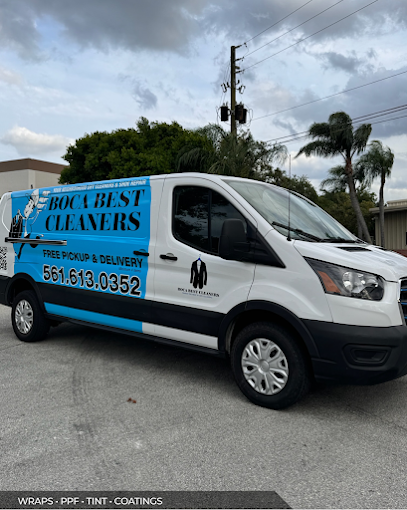
For vehicles with graphics or wraps, heat management is even more important. Professionals experienced with commercial wraps boynton beach often emphasize that consistent washing and UV protection help wraps maintain color and adhesion far longer in summer conditions.
Washing Habits During Hot Months
Washing in direct sunlight is challenging but sometimes unavoidable. Done incorrectly, it causes streaks, spots, and frustration.
If you must wash in heat:
- Work one panel at a time
- Rinse frequently, never letting soap dry
- Dry immediately with clean microfiber towels
Another insider tip: using cooler water for the final rinse helps reduce spotting by lowering surface temperature slightly before drying.
Storage and Long-Term Summer Protection
If a vehicle won’t be driven often during summer, storage choices matter.
Helpful options include:
- Breathable car covers rated for UV protection
- Parking in well-ventilated garages
- Avoiding airtight covers in extreme heat
Covers should be clean and fitted properly. A dirty or loose cover can cause more harm than good by trapping heat and rubbing against paint.
When Summer Protection Is Often Ignored
Some areas are consistently overlooked:
- Headlights, which haze faster in UV exposure
- Wiper blades, which crack and harden
- License plate frames and exterior badges
Replacing or protecting these small items early keeps the vehicle looking cared for instead of neglected.
Final Thoughts: Summer Protection Is About Consistency
Protecting your car during hot summers isn’t about perfection. It’s about consistent, thoughtful care that reduces cumulative damage. Shade when possible, light protection applied correctly, and routine checks make a noticeable difference over time.
Also read for more information so click here.
Mobile App Development Agency Crafting User-Centric Experiences
Hussar Vest – Timeless Military Elegance by Skylarkinfantry
Bordado Saya – Timeless Craftsmanship by Skylarkinfantry
Premium Mantolines by Skylarkinfantry: Tradition Meets Excellence
How To Know If You Need Sump Pump Repair or Full Replacement
