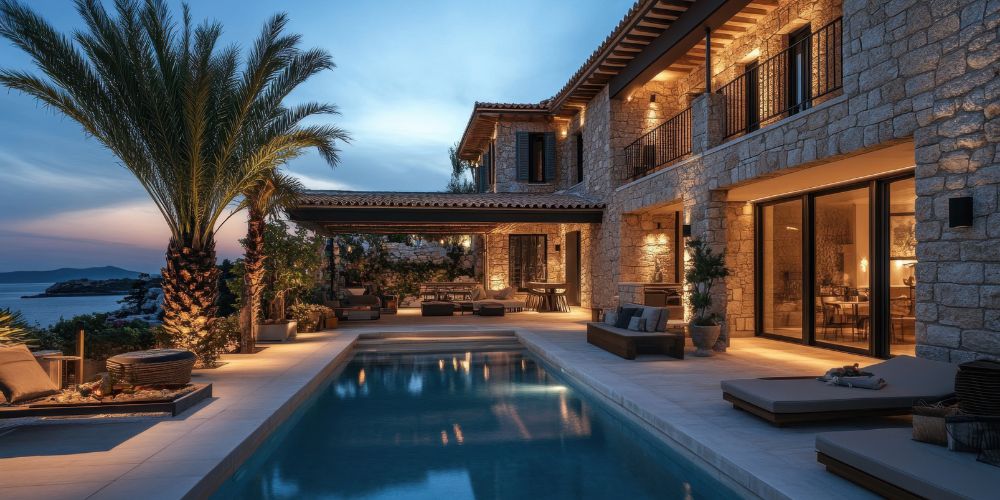
Building an inground pool is a dream for many homeowners. It adds fun, relaxation, and value to your home, but it also comes with a serious price tag. As we head into 2026, many people want to know how much it really costs to install an inground pool and what expenses they should expect before starting the project.
The cost of an inground pool in 2026 depends on many things, such as the pool type, size, materials, land conditions, and extra features. Add-ons like Pool Heater Installation, lighting, or water features can raise the final price but also make the pool more enjoyable. Knowing these details ahead of time helps you plan your budget and avoid surprises later.
Average Inground Pool Cost in 2026
In 2026, most homeowners spend between $45,000 and $90,000 for an inground pool. Custom or luxury pools with advanced features can cost $100,000 or more.
Here is a general price range by pool type:
- Vinyl liner pools: $45,000–$65,000
- Fiberglass pools: $50,000 – $75,000
- Concrete (gunite) pools: $65,000–$100,000+
These prices usually include basic installation and equipment, but they may not include extras like Pool Heater Installation, premium decking, or landscaping.
What Affects the Cost of an Inground Pool?
1. Pool Type and Materials
The type of pool you choose has a big impact on cost.
- Vinyl pools are usually the most affordable. However, the liner must be replaced every few years.
- Fiberglass pools are quick to install and need less maintenance, but design choices are limited.
- Concrete pools allow full customization but cost more to build and maintain.
2. Pool Size and Shape
Bigger pools cost more to build. They need more materials, labor, and time. Custom shapes and curved designs also increase the price compared to simple rectangular pools.
In 2026, increasing the size of your pool can add $1,000 to $3,000 for each extra foot.
3. Yard and Soil Conditions
Your yard plays a big role in pricing. If your property has rocky soil, a slope, or limited access for machines, excavation costs will rise.
Difficult ground conditions can add $5,000 to $15,000 to the overall pool cost.
4. Pool Equipment
Modern pools rely on efficient equipment to run smoothly. This includes:
- Pool pumps
- Filters
- Sanitizing systems
- Automation controls
High-quality equipment may cost more at first, but it lowers energy use and reduces long-term maintenance expenses.
Pool Heater Installation Cost in 2026
Many homeowners choose Pool Heater Installation to enjoy their pool for more months of the year. A pool heater makes swimming comfortable during cooler mornings, evenings, and off-season months.
Here are average pool heater costs in 2026:
- Gas pool heaters: $3,000 – $5,500
- Electric heat pumps: $4,000 – $7,000
- Solar pool heaters: $3,500 – $6,500
Pool Heater Installation increases the upfront cost, but it adds comfort and value. For families who want to use their pool year-round, it is often worth the investment.
Extra Features That Increase Pool Costs
1. Pool Decking
Decking is needed for safety and appearance. Prices depend on the material you choose:
- Concrete: $8–$15 per square foot
- Pavers: $15–$30 per square foot
- Natural stone: $25 – $50+ per square foot
2. Water Features
Water features make pools look more attractive but also raise costs.
- Small fountains or bubblers: $1,500–$3,000
- Waterfalls or custom features: $5,000 – $10,000+
3. Lighting and Automation
LED pool lights usually cost $700 to $2,500, depending on how many are installed. Automation systems allow you to control lighting, pumps, and Pool Heater Installation from your phone. These systems usually add $2,000 to $5,000.
4. Safety Requirements
Most areas require safety features, such as:
- Pool fencing: $1,500 – $4,000
- Pool covers: $1,800 – $5,000
- Pool alarms: $300 – $1,000
These features protect children and pets and are often required by law.
Ongoing Pool Maintenance Costs
After installation, you must budget for yearly pool care. In 2026, average maintenance costs range from $3,000 to $6,000 per year.
This includes:
- Pool cleaning
- Chemicals
- Water refills
- Electricity for pumps and Pool Heater Installation
- Small repairs
Choosing energy-efficient equipment helps lower these costs over time.
Energy Efficiency and Long-Term Savings
Energy-efficient pools are becoming more popular. Variable-speed pumps, solar heating, and modern Pool Heater Installation systems use less power and save money in the long run.
Although these upgrades can increase your upfront cost by $5,000 to $10,000, they often reduce monthly utility bills and maintenance expenses.
Does an Inground Pool Add Value in 2026?
An inground pool adds lifestyle value, especially in warm climates. Families enjoy outdoor time, exercise, and relaxation without leaving home.
While pools do not always return their full cost when selling a home, features like Pool Heater Installation, updated equipment, and clean design can make your home more attractive to buyers.
Ways to Reduce Inground Pool Costs
If you want to save money, consider these tips:
- Choose a simple pool shape
- Avoid adding all upgrades at once
- Install Pool Heater Installation later if needed
- Compare quotes from multiple contractors
- Build during the off-season
- Focus on energy-efficient equipment
Final Thoughts
In 2026, inground pool costs depend on many factors, including size, materials, yard conditions, and features like Pool Heater Installation. While the initial cost can be high, proper planning helps you stay within budget and avoid stress.
By understanding both installation and long-term expenses, you can build a pool that fits your needs, improves your lifestyle, and brings enjoyment for many years to come.
Top-Rated Beirut Escorts Offering Sophisticated Experiences
Saving Time and Money with a Healthcare Virtual Assistant Today
What to Look for When Choosing a Trade Show Booth Manufacturer in the U.S.?
How Recreational Cannabis Stores Work: Rules and Regulations
Remote Bookkeeping Services Australia: The Invisible Engine Behind Modern Businesses
About the Author