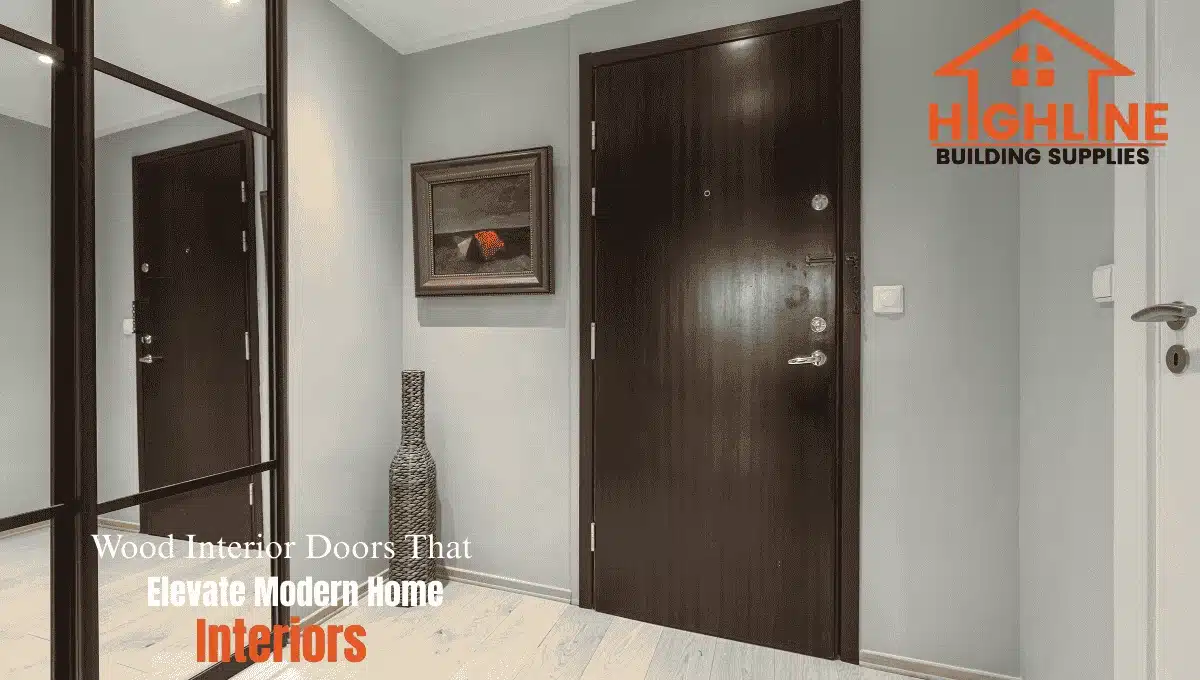
Choosing the right doors is one of those decisions that feels minor at first. Many homeowners focus on floors, walls, and furniture, while doors remain an afterthought. In reality, wood interior doors play a major role in how a home looks, feels, and functions. They influence light flow, privacy, sound control, and the overall sense of quality.
If your home feels unfinished or visually disconnected, the issue may not be the layout or décor. Often, it comes down to interior doors that do not match the rest of the space. This guide explains why wood interior doors remain a smart choice, how to select the right style, and how they work alongside features like interior double doors, modern exterior doors and modern front door designs.
Why Wood Interior Doors Continue to Stand Out
Wood has been used in home construction for centuries, and for good reason. It offers a combination of strength, warmth, and flexibility that few other materials can match.
Unlike hollow or molded doors, wood interior doors feel solid. They close with a reassuring weight and reduce noise between rooms. This matters in homes where multiple activities happen at once, such as remote work, family living, or entertaining.
Wood also adapts well to different design styles. It works just as easily in classic homes as it does in modern spaces. The finish, grain, and panel design can all be adjusted to suit your interior.
Solid Wood vs Engineered Wood Doors
Before choosing a door style, it helps to understand the difference between solid wood and engineered wood options.
Solid Wood Doors
Solid wood doors are made entirely from natural timber.
They offer excellent durability and sound insulation. Their natural grain adds character that improves with age. However, they tend to be more expensive and can react to humidity changes if not properly treated.
Engineered Wood Doors
Engineered wood doors use a solid wood frame with layered or composite cores.
They are more stable in changing climates and often more affordable. While they may not be refinished as many times as solid wood, they still deliver the look and feel most homeowners want.
For many modern homes, engineered wood interior doors provide the best balance between performance, appearance, and cost.
How Wood Interior Doors Shape Interior Design
Interior doors occupy a surprising amount of visual space. When they match the overall design, rooms feel connected. When they clash, even well-designed interiors can feel disjointed.
Light wood doors can brighten smaller rooms and hallways. Darker finishes create contrast and depth, especially in open layouts. Flat panel doors support clean, contemporary interiors, while paneled designs add structure and detail.
Consistency matters. Using the same wood tone and door style throughout the home helps create flow from room to room.
The Role of Interior Double Doors
Interior double doors are often used to define larger spaces such as living rooms, dining areas, or home offices. When paired with matching wood interior doors elsewhere in the home, they add balance and symmetry.
Interior double doors offer flexibility. They can remain open to create an airy feel or close when privacy or noise control is needed. Choosing the same wood species and finish as your single interior doors keeps the design cohesive.
They also serve as a visual bridge between rooms, especially in homes with open or semi-open layouts.
Wood Interior Doors and Natural Light
A common concern is that wood doors block light. In practice, the opposite can be true when designed correctly.
Glass-panel wood doors allow light to move through the home while still maintaining separation between spaces. Frosted or textured glass provides privacy without sacrificing brightness.
Homes with large windows or picture windows for sale benefit from the warmth wood doors bring. The contrast between natural wood and expansive glass prevents interiors from feeling cold or overly minimal.
Coordinating With Modern Exterior Doors
Your exterior doors set expectations before anyone steps inside. Modern exterior doors often feature clean lines, strong materials, and bold finishes.
When interior doors feel cheap or outdated, the transition feels abrupt. Wood interior doors help maintain that sense of quality from entry to interior.
Matching or complementing the wood tone, hardware finish, or design language of modern exterior doors creates a smoother visual experience. This is especially important in entryways where interior doors are visible from the front door.
Blending Interior Doors With Modern Front Door Designs
Modern front door designs focus on simplicity and presence. They often use wood, steel, or a combination of materials to make a statement.
Interior doors should not compete with the front door, but they should support it. Subtle wood finishes, flat panels, and minimal hardware work well in homes with modern front entrances.
This approach keeps attention where it belongs while ensuring the interior feels intentional and well-designed.
Choosing the Right Finish
The finish you choose will affect both appearance and long-term maintenance.
Painted wood doors offer flexibility. They suit interiors that may change color schemes over time. Painted finishes are easy to touch up but hide the natural grain.
Stained finishes highlight the character of the wood. They tend to age well and add long-term value. Choosing the right stain requires more care, but the results often feel richer.
Clear finishes preserve the most natural look and are ideal when the wood itself is a design feature.
Sound Control and Everyday Comfort
One of the most overlooked benefits of wood interior doors is sound control. Solid or well-constructed engineered doors significantly reduce noise transfer.
This makes a noticeable difference in:
- Home offices
- Bedrooms
- Media rooms
- Shared living spaces
Good doors improve daily comfort without requiring structural changes.
Hardware Choices Matter
The right hardware supports both function and style. Wood doors are heavier than hollow alternatives, so quality hinges are essential.
Handle styles and finishes should remain consistent throughout the home. Matte black works well in modern spaces, while brushed nickel and bronze suit transitional or classic interiors.
Well-chosen hardware enhances the feel of wood interior doors without drawing unnecessary attention.
Maintenance and Longevity
Wood doors are easier to maintain than many people expect. Regular dusting and occasional wiping with a slightly damp cloth are usually enough.
Avoid harsh cleaners and maintain stable indoor humidity levels. Small scratches or dents can often be repaired, and many wood doors can be refinished instead of replaced.
This makes them a long-term investment rather than a short-term fix.
When It Makes Sense to Replace Interior Doors
You do not need to replace every door at once, but certain signs suggest an upgrade is worth considering.
- Doors feel hollow or flimsy
- Frames are warped or damaged
- Hardware no longer fits correctly
- The style no longer matches the rest of the home
Replacing interior doors is one of the fastest ways to refresh a space without major renovations.
Budget Planning Without Sacrificing Quality
High-quality doors do not have to break the budget. Strategic choices help control costs.
Use solid doors in areas where sound matters most. Choose engineered wood for secondary spaces. Keep designs simple to reduce manufacturing costs.
Avoid very cheap options. Doors are used every day, and poor quality shows quickly.
Sustainability and Responsible Wood Use
Sustainability is an increasing concern for homeowners. Many manufacturers now use responsibly sourced wood or certified materials.
Engineered wood doors often use less raw timber while offering similar performance. This reduces waste and environmental impact without compromising appearance.
People Also Ask
Are wood interior doors better than hollow doors?
Wood interior doors offer better durability, sound insulation, and overall feel compared to hollow doors. While hollow doors are cheaper, they often feel lightweight and wear out faster. Wood doors provide long-term value and improve comfort, especially in bedrooms and workspaces.
Do wood interior doors work in modern homes?
Yes, wood interior doors work well in modern homes when designed with clean lines and simple finishes. Flat panel doors, light wood tones, and minimal hardware complement modern interiors and pair well with modern exterior doors and contemporary layouts.
How do interior double doors improve a home?
Interior double doors help define spaces while maintaining openness. They allow flexibility by opening rooms when needed and closing them for privacy or sound control. When matched with wood interior doors, they enhance flow and symmetry.
Are wood interior doors hard to maintain?
Wood interior doors are relatively easy to maintain. Regular cleaning and stable indoor humidity are usually enough. Minor scratches can often be repaired, and many wood doors can be refinished rather than replaced.
Can wood interior doors increase home value?
Yes, quality wood interior doors improve the perceived value of a home. They signal craftsmanship and attention to detail, which appeals to buyers and complements features like modern front door designs and large windows.
Final Thoughts
Wood interior doors are more than functional barriers between rooms. They shape how a home feels, sounds, and flows. When chosen thoughtfully, they connect interior spaces with features like interior double doors, modern exterior doors, modern front door designs, and expansive picture windows for sale.
If your home feels close to complete but not quite there, interior doors may be the missing piece. Investing in quality wood doors delivers comfort, visual harmony, and lasting value.
Author Bio
Written by a building materials specialist with years of hands-on experience in residential design and product selection. As part of the team at Highline Building Supplies, the author focuses on helping homeowners and builders choose doors, windows, and architectural elements that balance performance, style, and long-term value.
