


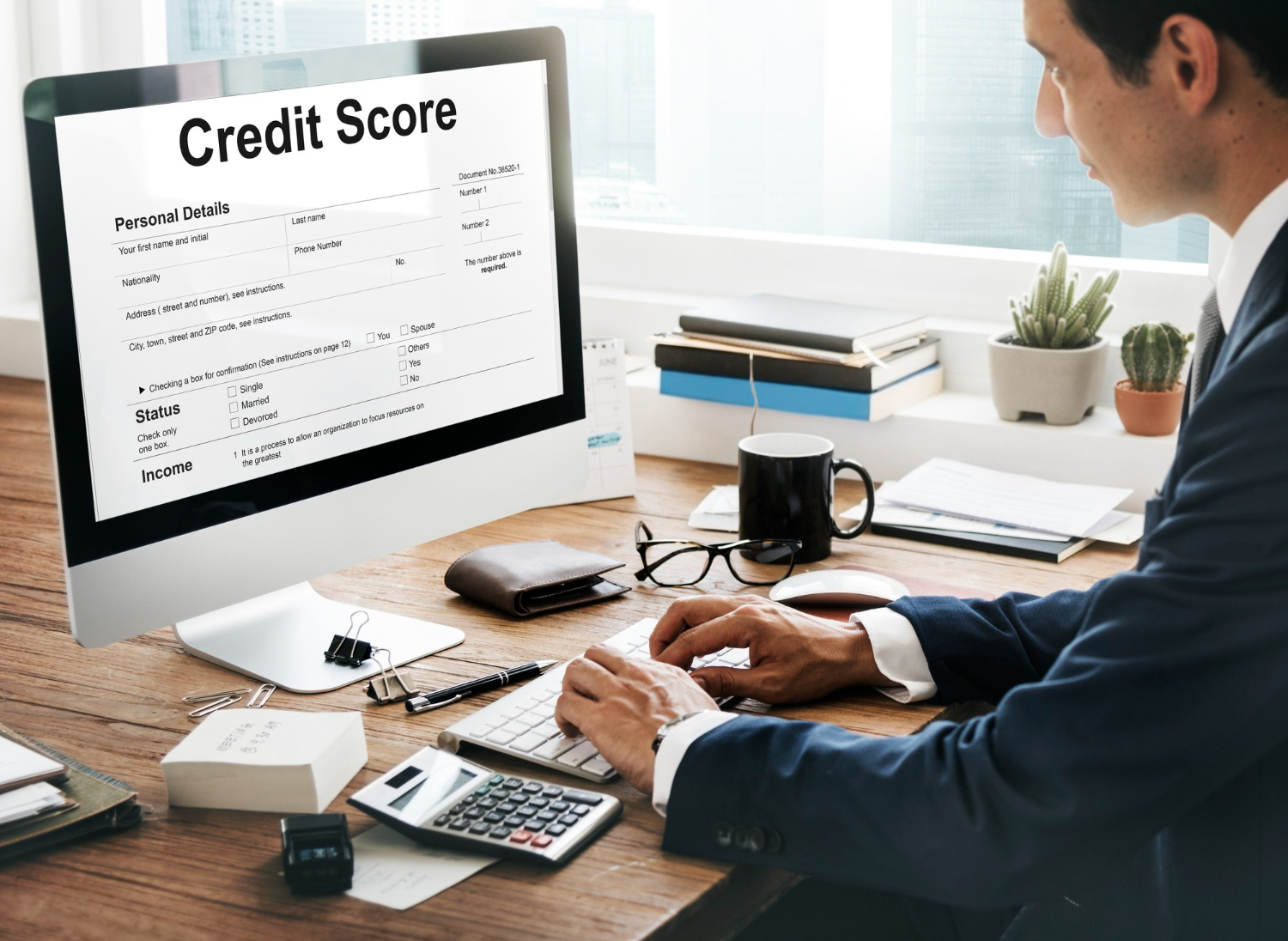
The bad credit loans open doors when regular banks won’t even look your way. They may be the answer to your cash crunch, and you have credit scores under 580. They would either raise your credit score or crunch your credit score even further, depending on the way you handle them.
A lot of individuals leap before they look because they are in need of quick money. Some even retreat altogether, and they do not get opportunities to recover their credit. This book goes into the good and the bad of bad credit borrowing.
What Are Bad Credit Loans?
Bad credit loans are intended for people who have had a difficult time with their credit history. These loans work differently from regular ones. The lenders take on extra risk by working with borrowers who have spotty histories. You might pay 20-35% interest when someone with good credit gets the same loan for 5-10%. However, some lenders offer this loan at low rates with some special conditions.
Many types exist to match different needs. Personal loans give you flexibility for various expenses. Secured loans need something valuable as backup, like your car. Payday loans are fast solutions to money needs, but the costs are exorbitant. Instalment loans allow you to pay in small payments over time. Some lenders even offer bad credit loans with guaranteed approval, though always read the fine print on these offers.
The terms often look different. You’ll usually face shorter repayment periods than standard loans. Many lenders want full payment within months rather than years. This means higher monthly payments but less time paying interest.
- Approval can happen faster than traditional bank loans
- Some require direct access to your bank account
- Online lenders often offer more flexible terms
- Most don’t penalise early repayment
- Application processes tend to be simpler
How Bad Credit Loans Can Help Your Score?
Bad credit loans can actually boost your credit score over time. The key lies in how you handle the loan after you get it. The credit bureaus track every move you make with debt, and consistent positive actions build trust with future lenders.
Building Payment History
Your payment history makes up 35% of your credit score. Your on-time payment sends a positive signal to credit bureaus. Since bad credit loans report to these agencies monthly, you get 12 chances per year to add good marks to your file.
Improving Credit Mix
The lenders like to see that you can handle different types of credit. You can add a loan to your credit mix when you only have credit cards to boost your score. This diversity shows you’re comfortable managing various financial products.
Lowering Credit Utilisation
Your utilisation ratio drops immediately if you use a bad credit loan to pay off maxed-out credit cards. This ratio – how much credit you’re using compared to your limits – counts for about 30% of your score. You can pay cards with usage below 30% usage to lift your score quickly, sometimes within a single reporting cycle.
Creating New Credit History
A new loan starts a fresh chapter in your credit story. While old mistakes still matter, they fade in importance as you build a new positive history. This new activity shows lenders you’re actively fixing past issues.
How Bad Credit Loans Can Hurt Your Score?
While bad credit loans may be of some help, they can harm your credit record considerably. The risks that come with them will warn you of the different ways in which you can be trapped, so that your score will not get any lower.
Hard Inquiry Damage
Your lenders check your credit report each time you apply. These “hard pulls” can drop your score by 5-10 points each time. The effect gets worse if you apply to multiple lenders in a short period. These inquiries remain on your report for 24 months.
Increased Debt Burden
If your debt-to-income ratio becomes too high, your credit score will also worsen. The lenders see high debt loads as risky, even if you’re making payments on time. This extra burden might block approval for other loans you need later.
Risk of Payment Problems
The high interest rates on bad credit loans make monthly payments tougher to meet. These negative marks haunt your report for seven full years. One slip-up can undo months of careful credit building.
Tips to Make Bad Credit Loans Work for You
You can also use bad credit loans to rebuild your financial standing. This requires strategy and discipline. The right approach turns these high-cost products into stepping stones toward better credit options.
You can check whether the lender reports to all three major credit bureaus before applying anywhere. Some smaller lenders skip this step, which means your on-time payments won’t help your score at all. This reporting provides the main benefit of taking these loans in the first place.
- Compare offers from a minimum of three different lenders to get the best rates
- Install automatic payments to be sure that you will not forget the due dates
- Take only what you need, not what they offer
- Use loan proceeds to pay off the debts with the highest interest rate first
- Read every bit of the agreement, especially looking for the sections that disclose the hidden fees
- Do not roll over loans or extend your terms repeatedly
- Make a budget that includes loan payments as a priority
- If the rates on unsecured loans are too high, consider using secured loans
You can ask for bad credit loans with guaranteed approval by putting up some collateral. This will lower your rates. You can also pay this loan on time to improve your score easily.
Conclusion
Borrowing a bad credit loan is a risky affair. When used smartly, it will be a credit-building tool. Like precious money, it sinks your grave. Before signing, one should question whether he or she really requires the money today and can afford to pay later.
You can save by shopping around since the charges are quite different. Your credit did not plummet at once, and neither will it go up that way either. Patience is important as well as timely payments. To monitor improvement, you can even check your score monthly. You pay on time, which gives you a case to negotiate cheaper rates tomorrow.
How Recreational Cannabis Stores Work: Rules and Regulations
Remote Bookkeeping Services Australia: The Invisible Engine Behind Modern Businesses
How to Choose the Right Clinic for Nose Surgery in Islamabad
Wie man Knieschmerzen ohne Operation behandelt
Before Filing Mutual Divorce in Delhi: Important Legal Facts Every Couple Must Know (2026 Guide)
About the Author