



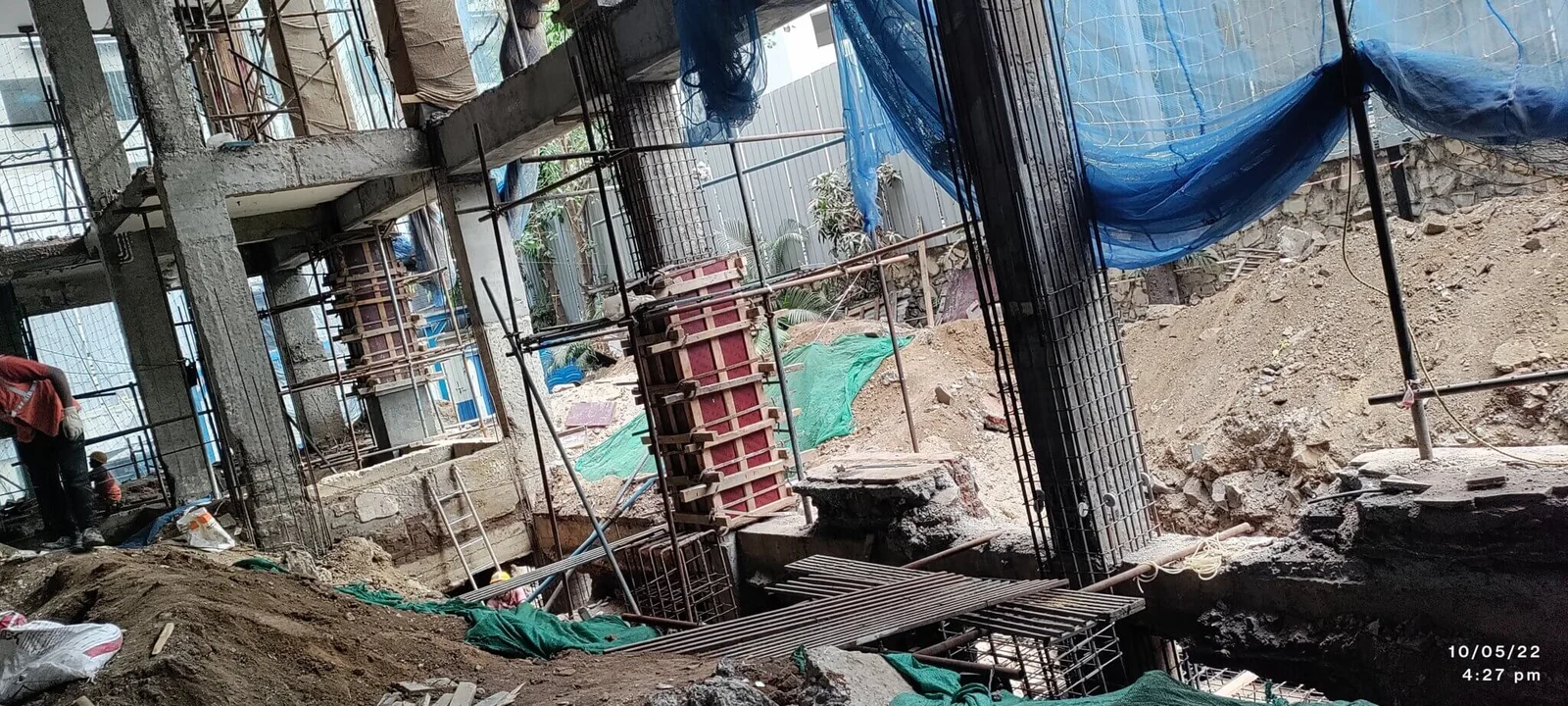
Concrete jacketing is a widely used structural strengthening method that helps improve the load-carrying capacity of existing concrete members. It is commonly applied to columns, beams, and slabs that have weakened due to age, overloading, poor construction quality, or structural modifications. This technique involves adding a new layer of reinforced concrete around the existing element, enhancing both strength and durability while extending the building’s service life.
Why Concrete Jacketing Is Needed in Existing Structures
Many buildings face structural distress over time due to environmental exposure, increased usage, or design limitations. Concrete jacketing becomes essential when cracks, corrosion of reinforcement, or reduced load capacity are observed. It is especially relevant for older residential and commercial buildings that need to comply with updated safety standards. This method restores structural integrity without the need for demolition, making it a practical strengthening solution.
How Concrete Jacketing Works in Structural Strengthening
The process of concrete jacketing involves enlarging the cross-section of a structural member by adding reinforced concrete. Existing surfaces are roughened, additional reinforcement bars are anchored, and then concrete is poured or sprayed. This new jacket works integrally with the old concrete, improving axial strength, flexural capacity, and stiffness. Proper bonding ensures effective load transfer between old and new materials.
Applications of Concrete Jacketing in Buildings
Concrete jacketing is commonly used for strengthening columns, beams, footings, and sometimes slabs. It is widely applied in residential apartments, commercial complexes, industrial buildings, and parking structures. The method is also preferred during building retrofitting projects where structural modifications like additional floors or change in usage increase load demands on existing members.
Concrete Jacketing for Column Strengthening
Columns are critical load-bearing elements, and their failure can lead to serious structural issues. Concrete jacketing for columns increases axial load capacity and improves confinement, reducing the risk of brittle failure. It is often recommended when columns show signs of cracking, spalling, or reinforcement corrosion. This technique is particularly useful in seismic strengthening projects where column ductility is essential.
Concrete Jacketing for Beam and Slab Rehabilitation
Beams and slabs may require strengthening due to increased live loads or design deficiencies. Concrete jacketing enhances flexural and shear capacity by increasing section depth and reinforcement. It helps control deflection and cracking while improving overall stiffness. This method is suitable for buildings undergoing functional changes, such as converting residential spaces into offices or commercial units.
Advantages of Using Concrete Jacketing
One of the key advantages of concrete jacketing is its proven reliability and long-term performance. It uses conventional construction materials, making it easy to implement. The technique improves fire resistance, durability, and load-bearing capacity. It also allows phased execution, meaning occupants may continue using the building during strengthening, reducing disruption and relocation costs.
Concrete Jacketing vs Other Strengthening Techniques
When compared to alternatives like steel jacketing or fiber wrapping, concrete jacketing offers better compatibility with existing concrete structures. It provides increased stiffness and mass, which is beneficial in many strengthening scenarios. While it may increase member size, it remains a preferred choice where high load enhancement and durability are required, especially in heavily stressed structural elements.
Role of Surface Preparation in Concrete Jacketing
Surface preparation plays a crucial role in the success of concrete jacketing. The existing concrete surface must be cleaned, roughened, and free from loose material. Proper bonding agents are applied to ensure composite action between old and new concrete. Without adequate surface preparation, the jacket may not perform effectively, leading to delamination or reduced strengthening efficiency.
Importance of Reinforcement Detailing in Concrete Jacketing
Correct reinforcement detailing ensures that concrete jacketing performs as intended. Additional longitudinal bars and transverse ties are designed to improve strength and confinement. These reinforcements are anchored properly into the existing structure to ensure load transfer. Poor detailing can compromise the effectiveness of the jacketing, highlighting the need for careful structural design and execution.
Concrete Jacketing in Seismic Retrofitting
In earthquake-prone regions, concrete jacketing is commonly used for seismic retrofitting of buildings. It enhances ductility, stiffness, and energy dissipation capacity of structural members. Strengthened columns and beams perform better under lateral loads, reducing the risk of collapse. This makes concrete jacketing a reliable solution for improving seismic safety of older structures.
Durability and Long-Term Performance of Concrete Jacketing
Durability is a major benefit of concrete jacketing when executed correctly. The added concrete cover protects reinforcement from corrosion and environmental exposure. With proper material selection and curing, the strengthened members can perform effectively for decades. This makes concrete jacketing a long-term investment for building owners looking to enhance structural safety.
Construction Challenges in Concrete Jacketing
While effective, concrete jacketing comes with certain challenges. Increased member size may affect usable space and architectural aesthetics. Construction requires careful planning to avoid overloading existing structures during execution. Skilled workmanship is essential to ensure proper bonding and alignment. Addressing these challenges early helps achieve desired strengthening outcomes without compromising functionality.
Cost Considerations for Concrete Jacketing
The cost of concrete jacketing depends on factors such as member size, extent of damage, reinforcement quantity, and site conditions. Although it may involve higher material usage compared to lightweight methods, its durability and performance often justify the investment. It is generally more economical than complete reconstruction, making it a preferred option for structural rehabilitation projects.
When to Choose Concrete Jacketing for Your Building
Concrete jacketing is ideal when significant strength enhancement is required and existing members show structural distress. It is suitable for buildings undergoing expansion, load changes, or safety upgrades. Consulting a structural expert helps determine whether this method aligns with the building’s condition and long-term requirements, ensuring both safety and cost-effectiveness.
Concrete jacketing remains one of the most trusted techniques for strengthening and rehabilitating concrete structures. Its ability to restore strength, improve durability, and enhance safety makes it highly relevant for aging buildings. When designed and executed properly, it extends the service life of structures while meeting modern performance standards, making it a dependable solution in structural engineering.
About the Author