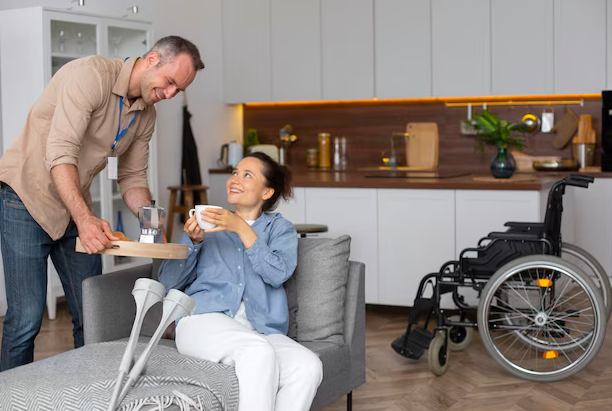
Supported Independent Living, or SIL, gets talked about a lot in NDIS circles. Half the time, people nod along without really knowing what it looks like day to day. In Darwin, SIL is about having your own place, or sharing a home, while still getting the support you need to live properly. Not survive. Live.
This could mean help with cooking, cleaning, personal care, medication, or just having someone around when things get overwhelming. NDIS Supported Independent Living SIL Darwin services are built around routine, stability, and choice. That part matters more than the brochures say.
Darwin’s smaller population changes things too. Support workers often know the area, the heat, the community, and how life actually runs up here. That local understanding makes SIL work better, plain and simple.
Who SIL Is Actually For (And Who It Isn’t)
SIL isn’t for everyone, and that’s okay. It’s designed for people with higher support needs who want to live as independently as possible, but not alone. If someone needs regular daily support, overnight supervision, or consistent help managing life skills, SIL is usually the right fit.
It’s not short-term accommodation. It’s not crisis housing. And it’s definitely not a one-size-fits-all solution. NDIS planners look at functional capacity, informal supports, and long-term goals before approving SIL funding.
In Darwin, SIL participants often include people with intellectual disability, psychosocial disability, or complex physical needs. The key factor is support intensity, not diagnosis.
How SIL Funding Works Under the NDIS
SIL funding sits separately from housing costs. That part confuses people. The NDIS pays for support, not rent or groceries. Rent is usually covered through the Disability Support Pension, Commonwealth Rent Assistance, or other income.
NDIS Supported Independent Living SIL Darwin funding is based on a roster of care. That means supports are planned across the whole day. Mornings, evenings, nights. Sometimes 24/7. Sometimes not.
Funding levels vary. Some participants have shared supports, others have mostly individual care. It depends on need, not preference alone. And yes, the paperwork can be a headache. But done right, it creates long-term stability.
Living Arrangements: Shared Homes vs Individual Living
Most SIL homes in Darwin are shared. Usually two to four people. Shared living keeps costs manageable and allows supports to be shared. It also brings social connection, which matters more than people admit.
That said, individual SIL arrangements do exist. These are for participants who need one-on-one support most of the time, or who struggle with shared environments. They’re harder to set up but absolutely possible.
Good providers don’t just throw people together. Compatibility matters. Lifestyle, communication style, routines. When that’s ignored, SIL falls apart fast.
Daily Life Inside a SIL Home
This is where the glossy brochures stop helping. Daily life in SIL is ordinary, and that’s the point. Mornings are about getting ready. Meals are cooked together or with support. People go to work, programs, appointments, or stay home if that suits them.
Support workers assist, but they don’t run the show. At least they shouldn’t. Choice and control still apply. Even when support needs are high.
In Darwin, routines also adjust for weather. Heat changes energy levels. Wet season affects transport. Good SIL providers factor that in instead of pretending this is Melbourne.
The Role of Support Workers in SIL
Support workers make or break SIL. There’s no polite way to say it. They’re in your space, every day. They need to be skilled, yes, but also human. Respectful. Calm. Flexible.
In NDIS Supported Independent Living SIL Darwin settings, workers often help with personal care, cooking, cleaning, medication, and emotional regulation. They also support independence, not replace it.
The best workers know when to step in and when to step back. That balance is learned, not scripted.
How SIL and NDIS Respite Care Work Together
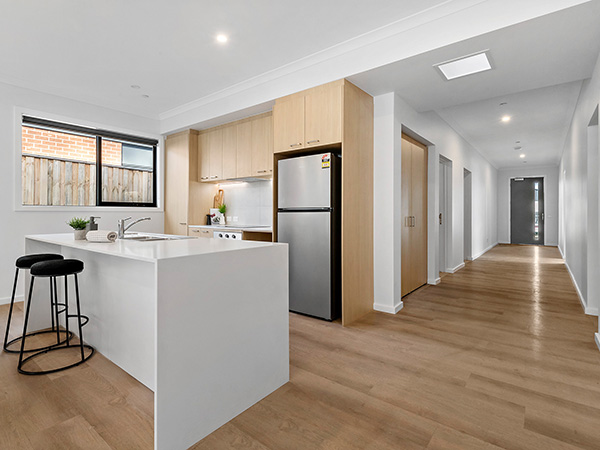
SIL is long-term. Respite is short-term. But they often work side by side. NDIS Respite Care Darwin services give participants and families a break when things get intense, or when routines need a pause.
Some SIL participants use respite for planned breaks. Others use it during transitions, hospital stays, or family emergencies. Respite can be in a different location or within the SIL home, depending on the setup.
Used properly, respite keeps SIL sustainable. Burnout helps no one.
Why Location Matters More Than You Think
Darwin isn’t just a dot on the map. Distance, transport, services, and climate all shape daily life. SIL homes close to shops, medical services, and community spaces make independence easier.
Remote or poorly located housing increases isolation. It also increases reliance on staff for basic tasks. That’s not independence, even if the house looks nice.
Good NDIS Supported Independent Living SIL Darwin providers understand this and plan housing accordingly. Or they should.
Cultural Awareness and Community Connection
Darwin is culturally diverse. That matters in SIL. Support needs to respect cultural background, language, family connections, and community ties. Especially for Aboriginal and Torres Strait Islander participants.
Culturally safe support builds trust. Without it, services fail quietly, then loudly.
Community connection is part of independence. SIL should support participants to stay connected, not boxed in.
What Makes a Good SIL Provider (And Red Flags)
A good SIL provider listens more than they talk. They involve participants in decisions. They’re clear about boundaries, costs, and expectations. No surprises.
Red flags? High staff turnover. Vague answers about funding. Homes that look controlled instead of lived in. Providers who promise everything without explaining how.
In Darwin, word travels fast. Reputation matters.
Transitioning Into SIL Without Chaos
Moving into SIL is a big deal. Transitions need time. Gradual visits. Trial stays. Clear communication. Dumping someone into a new home with strangers and expecting success is lazy practice.
NDIS planners, families, and providers all play a role here. When transitions are rushed, participants pay the price.
Done properly, SIL can feel like a step forward, not a loss of control.

Long-Term Outcomes of Supported Independent Living
When SIL works, people grow. Skills improve. Confidence builds. Health stabilises. Families worry less. Participants gain rhythm in their lives.
NDIS Supported Independent Living SIL Darwin isn’t about perfection. It’s about consistency. Support that shows up, day after day.
And when combined with flexible NDIS Respite Care Darwin options, it becomes sustainable for the long haul.
Why YourBridge Cares Approaches SIL Differently
YourBridge Cares focuses on real-life outcomes, not just compliance. Support is built around the person, not the roster alone. That sounds simple, but it’s rare.
They understand Darwin. The heat. The community. The realities of support work up here. SIL isn’t treated as a product. It’s treated as someone’s home.
That mindset changes everything.
FAQs
What is NDIS Supported Independent Living SIL Darwin?
It’s funded daily support for people with higher needs to live independently, usually in shared or supported housing.
Does SIL include rent and food?
No. SIL covers support only. Rent, groceries, and personal expenses are paid separately.
Can I choose who I live with in SIL?
You should be involved in compatibility decisions. Good providers prioritise this.
How is SIL different from NDIS Respite Care Darwin?
SIL is long-term living support. Respite is short-term care for breaks or transitions.
Can SIL supports change over time?
Yes. Supports should adapt as needs change, with reviews through the NDIS.
How do I get started with SIL in Darwin?
You’ll need SIL funding in your NDIS plan and a provider that fits your needs.
