Industrial structures face constant exposure to moisture, chemicals, heat, and heavy usage. Over time, water ingress can weaken concrete, corrode steel, and disrupt operations. This makes waterproofing a critical requirement, not a cosmetic upgrade. Industrial waterproofing Services focuses on protecting large scale facilities like factories, warehouses, plants, and processing units from long term water damage while ensuring safety, durability, and uninterrupted productivity.
Why Waterproofing Is Critical for Industrial Facilities
Unlike residential buildings, industrial sites operate under extreme conditions. Continuous machinery vibration, temperature fluctuations, and chemical exposure increase the risk of cracks and leaks. Water penetration can damage equipment, spoil raw materials, and compromise structural integrity. Effective waterproofing helps reduce maintenance costs, prevent downtime, and extend the lifespan of industrial buildings while maintaining compliance with safety and quality standards.
Common Water Damage Challenges in Industrial Buildings
Industrial facilities often struggle with roof leakage, basement seepage, expansion joint failure, and corrosion of reinforced concrete. Poor drainage systems and aging construction materials worsen the issue. Over time, even small leaks can escalate into large scale structural problems. Understanding these challenges helps facility managers take preventive action instead of relying on frequent repairs that disrupt operations.
Types of Industrial Structures That Need Waterproofing
Factories, power plants, chemical units, cold storage facilities, and logistics warehouses all require specialized waterproofing solutions. Each structure faces unique exposure levels depending on its function and location. For example, manufacturing plants may deal with chemical spills, while warehouses face roof leakage during monsoons. Tailored waterproofing strategies ensure effective protection without interfering with industrial workflows.
Industrial Roof Waterproofing Explained
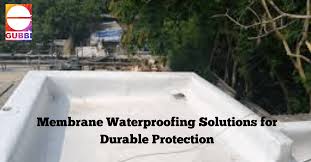
Industrial roofs cover large surface areas and are highly vulnerable to weather damage. Cracks, ponding water, and membrane failures are common issues. Roof waterproofing systems are designed to handle heavy loads, UV exposure, and thermal movement. Proper roof waterproofing prevents leakage into production zones, protects electrical systems, and helps maintain a stable internal environment for industrial operations.
Basement and Foundation Waterproofing in Industries
Basements and foundations support heavy machinery and structural loads. Water seepage in these areas can weaken concrete and cause long term settlement issues. Industrial foundation waterproofing focuses on creating strong barriers against groundwater pressure. Effective systems protect underground spaces, improve load bearing capacity, and reduce the risk of mold growth and corrosion in critical structural zones.
Importance of Chemical Resistant Waterproofing
Many industries handle acids, solvents, and corrosive liquids daily. Standard waterproofing materials may fail under such exposure. Chemical resistant waterproofing is designed to withstand harsh substances without degrading. This type of protection is essential for chemical plants, laboratories, and pharmaceutical units, ensuring both structural safety and regulatory compliance over extended operational periods.
Waterproofing for Expansion Joints and Structural Movement
Industrial buildings experience constant expansion and contraction due to temperature changes and mechanical loads. Expansion joints are vulnerable points where water often penetrates. Specialized joint waterproofing systems accommodate movement while maintaining a watertight seal. Proper joint protection prevents cracking, leakage, and long term structural stress that can otherwise compromise building stability.
Industrial Waterproofing Materials and Their Role
Modern industrial waterproofing relies on advanced materials such as membranes, coatings, and sealants. Each material is chosen based on exposure conditions, structural design, and performance requirements. High quality materials improve resistance to water pressure, chemicals, and wear. Selecting the right waterproofing material ensures durability, reduces maintenance frequency, and enhances overall building performance.
Role of Surface Preparation in Waterproofing Success
Even the best waterproofing system can fail if surface preparation is poor. Industrial surfaces often contain oil residues, dust, and uneven textures. Proper cleaning, repair, and priming are essential before applying waterproofing systems. Good surface preparation improves adhesion, ensures uniform coverage, and significantly increases the effectiveness and lifespan of waterproofing solutions.
Industrial Waterproofing and Energy Efficiency
Waterproofing indirectly contributes to energy efficiency in industrial facilities. By preventing moisture intrusion, insulation systems perform better and internal temperatures remain stable. This reduces energy loss and lowers heating or cooling costs. Over time, waterproofed buildings consume less energy, support sustainable practices, and help industries meet environmental and operational efficiency goals.
Preventive Waterproofing Versus Reactive Repairs
Many industries delay waterproofing until visible damage appears. This reactive approach often leads to higher repair costs and operational disruptions. Preventive waterproofing focuses on early protection during construction or scheduled maintenance. Investing in prevention reduces emergency repairs, minimizes downtime, and ensures long term structural health, making it a smarter and more cost effective strategy.
Waterproofing During New Industrial Construction
Incorporating waterproofing during the construction phase provides better results than post construction treatments. Systems can be integrated seamlessly into the design, offering complete protection from the start. New construction waterproofing enhances durability, reduces future maintenance, and ensures the facility is ready to handle environmental and operational challenges from day one.
Waterproofing Solutions for Aging Industrial Buildings
Older industrial buildings often suffer from worn materials, cracks, and outdated construction techniques. Retrofitting waterproofing solutions helps restore structural integrity without major reconstruction. Modern systems can be applied over existing surfaces, improving water resistance and extending the building’s usable life while maintaining ongoing industrial activities.
Impact of Climate Conditions on Industrial Waterproofing
Climate plays a major role in determining waterproofing needs. High rainfall, humidity, coastal exposure, and temperature extremes increase the risk of water damage. Industrial waterproofing strategies must adapt to local environmental conditions. Climate specific solutions ensure reliable performance and protect facilities against region specific weather related challenges.
Industrial Waterproofing and Safety Compliance
Water leakage can create hazardous working conditions such as slippery floors, electrical risks, and structural instability. Waterproofing supports workplace safety by reducing moisture related hazards. It also helps industries comply with safety regulations and inspection standards. A well waterproofed facility demonstrates commitment to employee safety and responsible infrastructure management.
Maintenance Planning After Waterproofing
Waterproofing is not a one time activity. Regular inspections and maintenance ensure systems continue to perform effectively. Industrial facilities benefit from planned maintenance schedules that identify minor issues early. Proper upkeep extends the lifespan of waterproofing systems, prevents sudden failures, and ensures consistent protection across all operational areas.
Choosing the Right Waterproofing Approach
Every industrial facility has unique requirements based on structure, usage, and exposure. A one size fits all approach rarely works. Evaluating building conditions, risk factors, and operational needs helps determine the right waterproofing strategy. A tailored approach ensures optimal protection while balancing performance, durability, and long term cost efficiency.
Long Term Value of Industrial Waterproofing
Industrial waterproofing is an investment in asset protection rather than an expense. By preventing water damage, industries avoid costly repairs, equipment losses, and production delays. Over time, effective waterproofing improves building longevity, operational stability, and return on investment. It supports sustainable industrial growth by safeguarding critical infrastructure.
Future Trends in Industrial Waterproofing
Advancements in materials and application techniques continue to improve industrial waterproofing performance. Innovative systems offer better flexibility, faster curing, and enhanced resistance to harsh conditions. As industries focus more on sustainability and efficiency, waterproofing solutions are evolving to meet higher durability and environmental standards without compromising effectiveness.
Industrial waterproofing plays a vital role in protecting structures, equipment, and operations from water related damage. From roofs and basements to joints and foundations, every component requires reliable protection. A well planned waterproofing strategy enhances safety, reduces maintenance, and ensures long term performance. Understanding its importance helps industries make informed decisions for resilient and efficient infrastructure.
