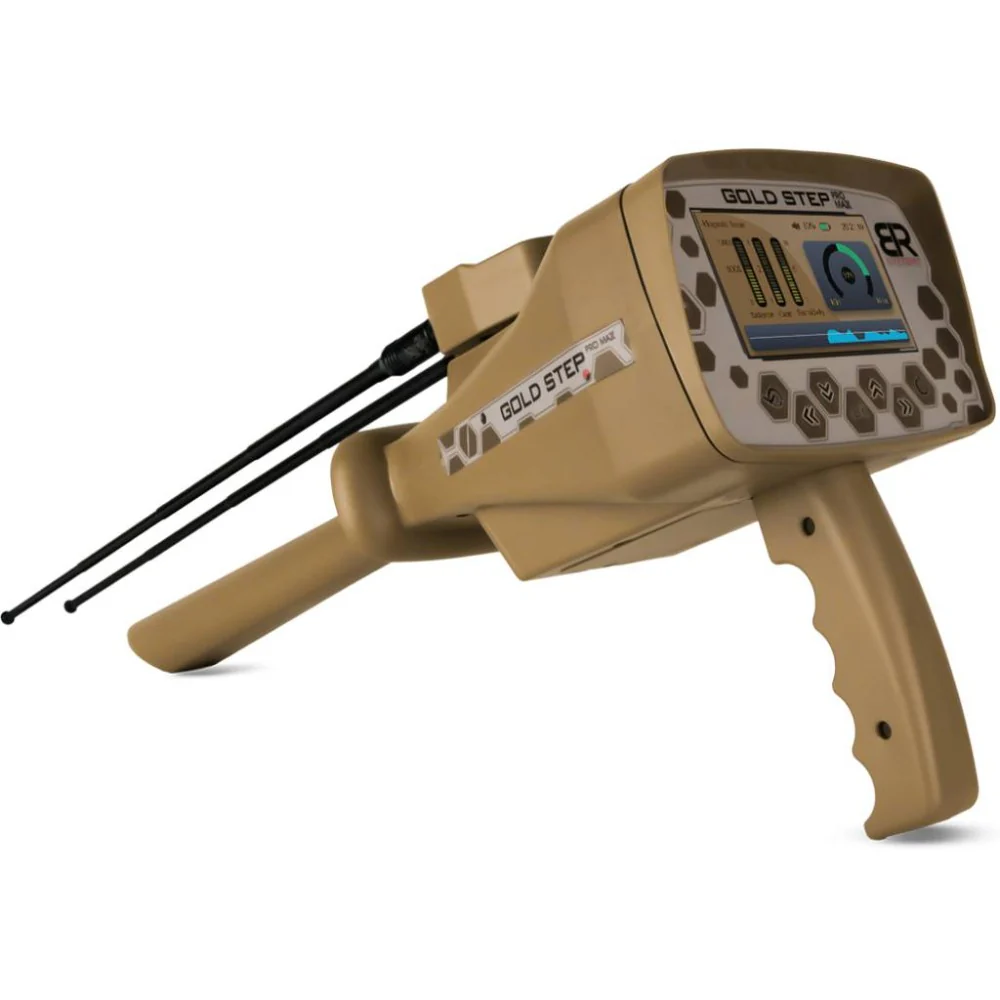
Gold exploration has fascinated humanity for centuries, evolving from simple manual searching to highly advanced technological processes. Today, innovation has transformed the way enthusiasts and professionals search for gold, making the journey more efficient, accurate, and rewarding. At the heart of this transformation is the gold detector, a sophisticated tool designed to uncover gold deposits hidden beneath the earth with remarkable precision. Whether used for professional prospecting or passionate exploration, modern detection systems have redefined gold hunting.
Understanding the Science of Gold Detection
Gold detection relies on advanced scientific principles that allow devices to sense metallic objects underground. These systems transmit controlled signals into the soil and analyze the feedback produced when those signals interact with buried materials. The unique properties of gold enable detectors to identify its presence accurately, even when concealed deep below the surface.
Modern detection systems are engineered to adapt to various terrains, ensuring consistent performance across deserts, plains, rocky landscapes, and mineral-rich soils. This adaptability has significantly expanded the possibilities of gold exploration worldwide.
The Journey from Traditional to Advanced Detection
Early Gold Searching Methods
Historically, gold seekers depended on panning, visual indicators, and manual excavation. While effective to an extent, these methods required extensive labor and offered limited accuracy.
The Rise of Electronic Detection
The introduction of electronic detection marked a major turning point. By integrating electromagnetic technology and digital processing, detectors became capable of identifying gold targets with speed and efficiency previously unimaginable.
Key Technologies Used in Gold Detectors
Very Low Frequency Technology
VLF systems are highly sensitive and excel at detecting small gold particles near the surface. They are widely appreciated for their precision and clarity, making them ideal for detailed searches.
Pulse Induction Technology
Pulse Induction systems are designed for deeper exploration and are particularly effective in challenging ground conditions. Their ability to penetrate mineralized soils ensures reliable detection across diverse environments.
Hybrid and Multi-System Detectors
Many modern detectors combine multiple technologies in a single unit. This versatility allows users to switch detection modes based on exploration needs, terrain type, and target depth.
Features That Define High-Performance Gold Detectors
Advanced Ground Balancing
Automatic and manual ground balancing systems optimize detector performance by adjusting to soil mineralization. This ensures stable readings and enhanced detection accuracy.
High-Resolution Display Interfaces
Clear digital displays provide real-time data, including target depth, signal strength, and detection mode. User-friendly interfaces make operation intuitive for all experience levels.
Adjustable Sensitivity and Frequency
Customizable settings allow users to fine-tune their detector according to specific exploration goals. This flexibility maximizes efficiency and precision during searches.
Applications of Gold Detection Technology
Professional Gold Prospecting
In professional mining and exploration projects, gold detectors streamline operations by quickly identifying promising areas. This targeted approach improves productivity and resource management.
Geological Surveys
Detection technology supports geological research by helping experts analyze subsurface mineral distribution. Accurate data collection contributes to better planning and exploration strategies.
Recreational Exploration and Treasure Hunting
Gold detection is also a popular recreational activity. Modern detectors enhance the experience by providing reliable results, ease of use, and engaging exploration opportunities.
Choosing the Right Gold Detector for Your Needs
Defining Your Exploration Objectives
Selecting the ideal detector starts with understanding your goals. Shallow searches, deep exploration, or wide-area scanning each require specific technological capabilities.
Evaluating Detector Specifications
Important factors include detection depth, frequency range, discrimination features, and system compatibility. Assessing these elements ensures the detector aligns with your requirements.
Comfort, Design, and Durability
Ergonomic design and lightweight construction improve usability during long exploration sessions. Durable materials ensure consistent performance in various environmental conditions.
Best Practices for Successful Gold Detection
Proper Calibration Techniques
Calibrating the detector to local soil conditions enhances accuracy. Proper setup ensures optimal signal clarity and detection efficiency.
Effective Scanning Strategies
Using systematic scanning patterns allows for thorough area coverage. Controlled movements help identify targets more accurately and efficiently.
Continuous Skill Development
Experience plays a vital role in gold detection success. Familiarity with detector signals and settings improves interpretation and decision-making over time.
Innovations Shaping the Future of Gold Detection
Smart Detection Systems
Artificial intelligence and smart processing algorithms are increasingly integrated into modern detectors. These advancements improve target identification and data analysis.
Enhanced Visualization Tools
Some detectors now offer graphical depth indicators and advanced imaging features. These tools provide detailed insights into underground structures and target positioning.
Wireless and Digital Connectivity
Wireless accessories, data logging, and connectivity features enable users to store, analyze, and share exploration data with ease.
The Value of Investing in Modern Detection Equipment
A high-quality gold detector represents a long-term investment in exploration success. Advanced systems offer reliability, adaptability, and precision, making them suitable for diverse applications. Their ability to deliver consistent results enhances both professional outcomes and personal exploration experiences.
Expanding Horizons in Gold Exploration
As technology continues to advance, gold detection becomes more accessible and efficient. Improved features and intelligent systems empower users to explore new regions and uncover hidden opportunities with confidence.
A Vision for the Future of Gold Detection
The future of gold detection is driven by innovation, integration, and enhanced usability. With ongoing technological advancements, detectors will continue to set new standards in accuracy and performance, opening doors to even greater discoveries.
Final Thoughts on Modern Gold Detection
Gold exploration today is defined by precision, efficiency, and technological excellence. With the right tools and techniques, explorers can unlock valuable discoveries beneath the surface. A modern gold detector serves as an essential companion on this journey, transforming exploration into a highly rewarding and insightful experience.
Comprehensive Metal Solutions for Your Business – MSK Ukraine
Building Strong Teams Through Effective Talent Acquisition Services
Is Full Mouth Rehabilitation Right for You?
Batteries Market Energy Storage Solutions Demand and Industry Growth Outlook
Voluntary Carbon Credit Market Sustainability Initiatives and Industry Growth Outlook
