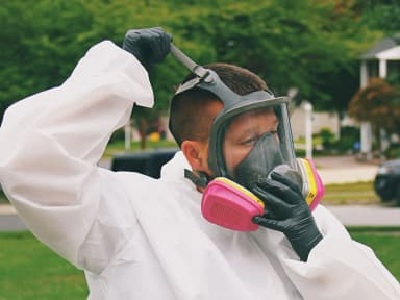
Sewage problems are more than just unpleasant—they can be hazardous to your health and property. Hiring a professional Sewage Cleanup Service ensures your space is safe and restored efficiently. But what exactly happens during a full sewage cleanup process? Understanding each step can help you make informed decisions and avoid unnecessary risks. Ideal Response, a trusted name in water damage management, provides expert sewage cleanup and water restoration services that follow a systematic and thorough process.
How Do Professionals Assess the Extent of Sewage Damage?
The first step in any sewage cleanup process is a detailed assessment. Technicians from water restoration companies like Ideal Response inspect your property to determine the type of sewage contamination, the affected areas, and the severity of damage. There are three main categories of sewage contamination:
- Category 1: Clean water from plumbing or appliance failures.
- Category 2: Greywater containing chemicals or microorganisms.
- Category 3: Blackwater that includes raw sewage and is highly hazardous.
This assessment allows the cleanup team to plan the appropriate safety measures, tools, and cleaning agents required to restore your property effectively.
Why Is Containment Critical During Sewage Cleanup?
Once the assessment is complete, containment begins. Containment prevents the spread of contaminated water to unaffected areas, reducing overall damage and health risks. Technicians use physical barriers, such as plastic sheeting, and specialized equipment like air movers and negative air machines to control airflow. Proper containment ensures that both employees and residents remain safe during the cleanup process.
What Role Does Water Extraction Play in the Cleanup?
After containment, the next step is water removal. Standing water from sewage backups can quickly damage floors, walls, and furniture. Sewage Cleanup Service teams use high-powered pumps, wet vacuums, and extraction units to remove contaminated water efficiently. Quick water removal minimizes structural damage and reduces the risk of mold growth, which can begin within 24 to 48 hours after water exposure.
How Do Experts Clean and Sanitize Contaminated Areas?
Removing water is only the beginning. The cleanup team then meticulously cleans and sanitizes all affected surfaces. Surfaces, including walls, floors, and personal belongings, are treated with hospital-grade disinfectants that eliminate bacteria, viruses, and fungi. Porous materials such as carpets, insulation, or drywall that have absorbed sewage may require removal and replacement to ensure safety. Using advanced cleaning agents and techniques guarantees a thorough restoration.
Why Is Drying and Dehumidification Essential?
Even after water extraction, moisture often remains in hidden areas. Professional water restoration companies deploy industrial-grade dehumidifiers and air movers to dry the property completely. Proper drying prevents long-term issues such as mold, mildew, and structural weakening. Technicians continuously monitor humidity levels to ensure that the area reaches safe, dry conditions before the restoration process continues.
What Steps Are Involved in Structural Repairs?
Sewage damage often affects more than just surface areas. Once cleaning and drying are complete, the restoration team evaluates structural elements like walls, flooring, and cabinetry. Any damaged materials are repaired or replaced. This step restores your property’s integrity and ensures that it is safe for regular use. A certified Sewage Cleanup Service follows strict industry guidelines to guarantee that repairs meet safety standards.
How Do Technicians Ensure Air Quality is Safe After Sewage Cleanup?
Sewage backups can release harmful airborne particles, including bacteria and volatile organic compounds. After structural repairs, technicians perform air quality testing and apply additional cleaning methods like HEPA filtration and ozone treatments if necessary. This step ensures that the indoor environment is safe and free from lingering odors or contaminants.
Why Is Documentation and Prevention Advice Important?
Reputable water restoration companies document every step of the sewage cleanup process. Detailed records help with insurance claims and provide a reference for any future issues. Additionally, technicians advise property owners on preventive measures, such as installing backflow valves, maintaining plumbing, and monitoring moisture levels. Following professional advice can significantly reduce the risk of recurring sewage problems.
How Long Does the Complete Sewage Cleanup Process Take?
The duration of sewage cleanup depends on the severity of the damage and the size of the affected area. Small incidents may take a few days, while extensive contamination might require one to two weeks for complete restoration. Factors such as the type of sewage, the materials affected, and drying time influence the overall timeline. Relying on experienced Sewage Cleanup Service providers ensures that the process is completed efficiently and safely.
Why Should You Choose Ideal Response for Sewage Cleanup?
Choosing the right professional is critical when dealing with sewage damage. Ideal Response has years of experience handling complex sewage and water damage situations. Their team follows strict safety protocols, uses advanced equipment, and provides comprehensive cleanup, restoration, and preventive advice. By combining expertise with a structured approach, Ideal Response ensures your property is fully restored to a safe, healthy condition.
Can Sewage Cleanup Prevent Future Damage?
Proper sewage cleanup goes beyond immediate restoration. By addressing all affected areas, repairing structural damage, and advising on preventive measures, professional cleanup reduces the risk of mold growth, structural deterioration, and recurring contamination. Regular maintenance and proactive monitoring can help homeowners avoid costly repairs and health hazards in the future.
A thorough sewage cleanup is a multi-step process that demands expertise, proper equipment, and adherence to safety standards. From assessment and containment to cleaning, drying, structural repairs, and air quality assurance, each step is essential for restoring safety and hygiene. Partnering with reliable Sewage Cleanup Service providers and water restoration companies like Ideal Response guarantees that your property is handled professionally and efficiently.
Popular Types of House Siding for Modern and Traditional Homes
How Can You Refinish Engineered Hardwood Floors Without Damage
The Main Advantages of Biaxial Geogrid in Road Construction
Can CoolSculpting Fat Freezing Shape the Abdomen?
Who Is the No 1 Fashion Designer in India and What Makes Them Truly Iconic
