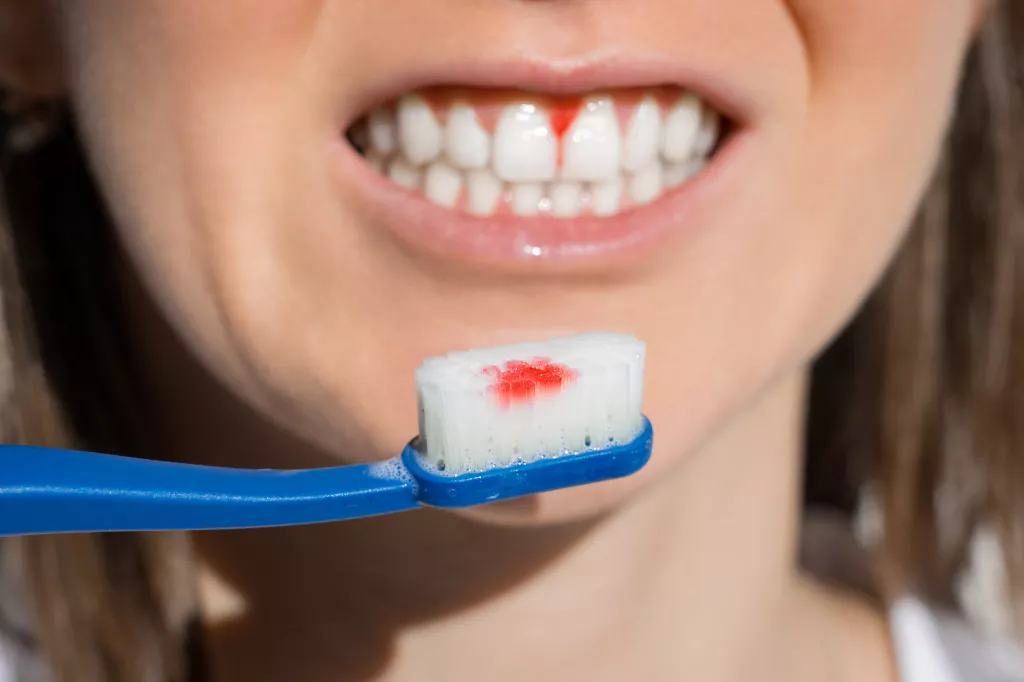
These days, tooth and gum problems are affecting people of every age: children, teens, adults, and seniors. Changing diets, sugary snacks, stress, poor brushing habits, and skipped dental visits are making oral health issues more common worldwide. Studies suggest that over 70% of people experience some type of gum or tooth concern at some point in life, and it can be frustrating, uncomfortable, and stressful. Even a small issue can impact eating, sleeping, confidence, and daily routine.
When bleeding gums when brushing starts, it can feel alarming because it doesn’t seem normal. Some people notice gums bleeding while brushing teeth, while others feel sore gums when brushing or see blood during flossing. This guide explains the most common causes, warning signs, and simple steps to protect your gums.
Common Reasons Why Gums Bleed
Gum bleeding usually happens because the gums are irritated or inflamed near the gumline. Sometimes it’s caused by brushing too hard, but many times it’s linked to plaque buildup or early gum disease. Finding the real cause helps you stop the bleeding and protect your gum health.
1. Gingivitis (Early Gum Disease)
Gingivitis is one of the most common reasons Gums Bleed. It starts when plaque builds up around the gumline and causes swelling and redness. Your gums may feel tender and bleed easily while brushing or flossing. The good news is gingivitis can often improve with better oral care and professional cleanings before it turns into a more serious gum infection.
2. Brushing or Flossing Too Hard
Brushing or flossing too aggressively can injure the gum tissue. Hard scrubbing, using a stiff toothbrush, or snapping floss into the gums may cause irritation and sore gums when brushing. Switching to a soft-bristle brush and using gentle circular motions can help reduce bleeding within a few days.
3. New to Flossing?
Starting flossing after a long time can lead to mild bleeding at first. This usually happens because plaque is already sitting between the teeth, and the gums are sensitive. Once floss removes that buildup, bleeding may happen for a short time. Staying consistent and flossing gently helps the gums heal and become stronger.
4. Poor Oral Hygiene and Plaque Buildup
Poor brushing and flossing habits allow plaque to stay on the teeth and gumline, which can lead to ongoing inflammation. Over time, plaque turns into tartar that cannot be removed at home. This keeps bacteria trapped near the gums and makes bleeding more likely. Dental cleaning is often needed, especially for people looking for gum disease treatment in Murphy.
5. Medications and Health Conditions
Some medications and health conditions can increase gum sensitivity and bleeding. Blood thinners, diabetes, hormonal changes, vitamin deficiencies, and immune system problems can all play a role. A dental exam can help confirm whether the bleeding is caused by gum inflammation or a medical issue.
Signs You Shouldn’t Ignore
Occasional gum bleeding can sometimes improve with better brushing and flossing habits. Frequent bleeding, however, may be a warning sign of gum disease and should not be ignored. Watch for these signs:
- Red, swollen, or puffy gums
- Bleeding during brushing or flossing
- Persistent bad breath
- Gum recession (teeth look longer)
- Sensitivity near the gumline
- Pain when chewing
- Loose teeth
- Pus between gums and teeth
- A bad taste that keeps coming back
How to Stop Gums from Bleeding
Stopping gum bleeding starts with removing plaque, protecting your gums, and improving daily habits. Here are practical steps that actually help:
Brush Gently (But Correctly)
Use a soft-bristle toothbrush and brush for 2 minutes twice a day. Focus on the gumline, but don’t scrub aggressively. Gentle circular motions clean better than harsh back-and-forth brushing.
Floss Daily Without Hurting Your Gums
Flossing removes plaque where your toothbrush can’t reach. If your gums are sensitive, use waxed floss or a water flosser. The goal is to clean under the gumline without cutting into it.
Use an Antibacterial Mouthwash
A dentist-recommended mouthwash can help reduce bacteria and inflammation. This is especially helpful if you’re dealing with gums bleeding while brushing teeth due to plaque buildup.
Improve Your Oral Hygiene Routine
If you’ve been skipping brushing at night or flossing only sometimes, plaque will keep returning. A consistent routine is the fastest way to reduce inflammation. A simple routine:
- Brush morning + night
- Floss once daily
- Rinse after meals when possible
- Replace your toothbrush every 3 months
Avoid Tobacco Products
Smoking and chewing tobacco increase gum disease risk and slow down healing. Quitting tobacco can improve gum health and reduce bleeding over time.
Eat for Healthier Gums
Your gums need nutrients to heal. Try to include:
- Vitamin C foods (oranges, strawberries, bell peppers)
- Calcium-rich foods (milk, yogurt, cheese)
- Leafy greens (support gum tissue health)
- Plenty of water (helps wash away bacteria)
Get Professional Cleanings
Tartar buildup cannot be fully removed with brushing alone, so professional cleanings are often needed to clear hardened plaque and reduce gum inflammation faster. Routine dental cleanings and exams also help catch gum disease early, especially for patients searching for a dentist for bleeding gums Murphy.
Dental Treatment for Bleeding Gums
- Dental exam and gum evaluation (to check inflammation and bleeding points)
- Professional dental cleaning to remove plaque and tartar
- Deep cleaning (scaling and root planing) for buildup under the gumline
- Treatment plan for gum infection or advanced gum disease
- Periodontal maintenance visits to prevent bleeding from returning
- Referral to a gum specialist when needed, such as the best periodontist in Murphy
Conclusion
Bleeding gums may happen because of brushing too hard, but they can also be an early sign of gum disease. Paying attention to the symptoms, improving your daily brushing and flossing routine, and getting professional help when bleeding continues can protect your oral health. When plaque buildup is the main cause, consistent home care and regular dental cleanings can make a noticeable difference. When the issue is linked to gum disease or certain health conditions, early treatment becomes even more important.
Patients who need gum disease treatment in Murphy should not ignore ongoing bleeding or swelling. A timely dental checkup can protect your teeth, improve gum comfort, and help prevent serious dental problems in the future. Beautiful Smiles provides complete dental care focused on healthier gums and long-term confidence.
FAQs About Bleeding Gums When Brushing or Flossing
1) Why do my gums bleed when I brush or floss?
Bleeding gums can happen due to plaque buildup, early gum disease (gingivitis), or brushing and flossing too hard. Improving your daily oral hygiene and using a gentle technique often helps reduce bleeding.
2) How long should bleeding gums last?
Mild gum bleeding usually improves within 3–7 days when you brush gently and floss daily. Bleeding that continues for more than 2 weeks should be checked by a dentist.
3) When should I see a dentist in Murphy?
Frequent bleeding, swollen gums, or bad breath that doesn’t go away are signs you should not ignore. Dr. Hassan Asghar can evaluate the cause and help prevent gum disease from getting worse.
