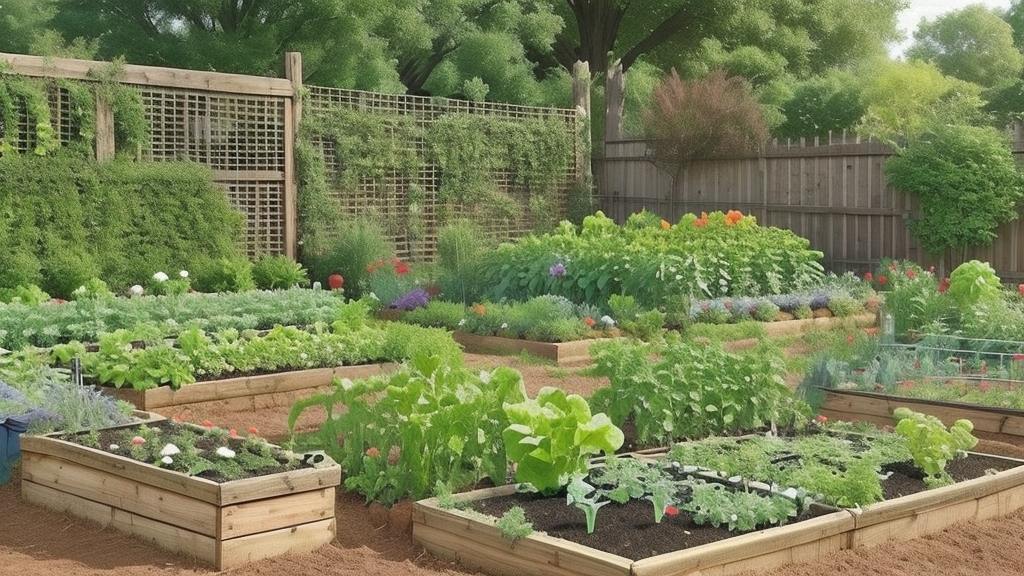
Vegetable gardening offers both nourishment and fulfillment, yet increased pollinator activity can challenge everyday garden routines. Productive beds naturally attract beneficial insects because flowering vegetables provide essential nectar resources. While these visitors support healthy harvests, close interaction may create discomfort for gardeners during watering, pruning, or harvesting tasks. Understanding how to manage movement responsibly allows growers to maintain productivity without disrupting ecological balance.
Many gardeners mistakenly view increased insect presence as a problem rather than a natural response to successful cultivation. With the right knowledge, these interactions become predictable rather than stressful. Planning, awareness, and calm behavior form the foundation for coexistence. By recognizing patterns and responding thoughtfully, gardeners reduce unnecessary conflict. Ultimately, managing garden traffic responsibly preserves both human comfort and environmental integrity, ensuring outdoor spaces remain productive, enjoyable, and ecologically balanced.
Understanding Bee Behavior in Vegetable Gardens
Understanding why a bee appears repeatedly around vegetable beds begins with recognizing seasonal flowering cycles and foraging behavior. Pollinators follow consistent routines guided by sunlight, scent strength, and flower availability. Early morning and late afternoon typically bring increased movement as nectar concentration peaks. Rather than acting randomly, these insects travel established routes between food sources. When gardeners recognize these predictable patterns, anxiety often diminishes significantly. Calm observation reveals that most visits involve foraging rather than defensive intent.
Aggressive responses typically occur only when nests are disturbed unexpectedly. Educating household members about these behavioral cues fosters safer shared garden experiences. Children especially benefit from learning when and how to move calmly near active plants. Awareness transforms perceived chaos into structured activity. As understanding deepens, gardeners gain confidence managing their space without unnecessary intervention. Knowledge becomes the most effective tool for maintaining harmony throughout the growing season.
Designing Garden Layouts to Manage Bee Activity
Thoughtful garden design plays a critical role in reducing close encounters during routine vegetable maintenance. Strategic placement of beds, pathways, and seating areas subtly influences insect movement. Locating flowering vegetables away from primary walkways minimizes overlap between human activity and foraging routes. Mulched paths and raised beds create physical separation without disrupting natural behavior. Companion planting further guides movement by varying scent and bloom concentration across the garden. Taller plants can act as visual boundaries that gently redirect flight paths.
Water sources positioned away from work areas also reduce congregation near frequently used spaces. Over time, consistent layouts encourage predictable patterns, reducing surprise interactions. Gardeners benefit from smoother workflows and increased comfort. During planning phases, anticipating activity patterns ensures long-term ease rather than reactive adjustments. Smart design choices therefore support both productivity and peaceful coexistence naturally.
Safe Gardening Practices During High Bee Traffic
Personal gardening habits strongly influence how comfortable interactions remain during peak flowering periods. Wearing light, neutral clothing reduces visual attraction while working near blossoms. Avoiding strong fragrances prevents confusion between human presence and floral signals. Slow, deliberate movements communicate non-threatening behavior, lowering defensive reactions significantly. Gloves and long sleeves offer additional reassurance during harvesting tasks. Scheduling maintenance during lower activity periods further reduces interaction frequency. In cases where nests develop near frequently used areas, professional guidance becomes essential.
Many homeowners consult a bee removal service in Burbank, LA to ensure relocation occurs safely without harming pollinators or property. Such services provide education alongside ethical solutions. Teaching visitors and family members calm responses reinforces consistency. These practices collectively create a predictable, low-stress environment throughout the growing season.
Environmental Responsibility and Pollinator Balance
Responsible garden management requires acknowledging the essential ecological role pollinators play within food systems. Vegetable yields depend heavily on successful pollination, directly influencing harvest size and quality. Eliminating beneficial insects disrupts this balance and weakens long-term productivity. Ethical management prioritizes redirection rather than eradication whenever possible. Avoiding chemical deterrents protects soil health and surrounding wildlife populations. Creating alternative flowering zones away from vegetable beds provides additional foraging options.
This approach reduces concentrated activity while preserving pollination efficiency. Education strengthens informed decision making and environmental stewardship. When gardeners understand interconnected systems, they act with intention rather than fear. Responsible practices benefit both individual gardens and broader ecosystems. Environmental awareness therefore becomes an integral component of sustainable food production at home.
Long-Term Strategies for Peaceful Garden Coexistence
Long-term success depends on consistency, observation, and adaptability throughout changing seasons. Monitoring activity patterns allows gardeners to anticipate shifts during planting and flowering cycles. Adjusting schedules for harvesting and watering minimizes unnecessary disturbance. Over time, predictable routines encourage pollinators to adapt accordingly. Supporting local conservation initiatives extends responsible practices beyond individual spaces. Sharing knowledge with neighbors promotes community-wide understanding and safety. Children who learn respectful observation develop lifelong appreciation for ecological balance. These lessons extend into broader environmental responsibility.
With patience and informed planning, gardens evolve into spaces of productivity and tranquility. Coexistence emerges naturally when respect guides management decisions. Ultimately, intentional practices transform outdoor spaces into sustainable environments benefiting both people and nature.
