When setting up audio, AV, or studio equipment, most people focus on the gear itself—the mixers, amplifiers, processors, and other devices. What often gets overlooked is something much smaller, but just as important: the rack screws. These tiny components play a big role in keeping your equipment stable, secure, and properly mounted. Using the wrong screws or skipping them entirely can cause serious problems, from wobbly racks to damaged gear.
Rack screws are the backbone of any organized setup. Whether you’re running a professional studio, a home music space, or a live sound rig, the right screws make installation easier, prevent accidents, and protect your investment. This article explains everything you need to know about rack screws—from types and sizes to materials and best practices—so you can safely mount your equipment and keep it running smoothly.
Why Rack Screws Are Important
Rack screws are small, but they do big work. They secure your equipment inside standard 19-inch racks, keeping devices from moving, tilting, or falling. In professional setups, racks can hold heavy amplifiers, processors, servers, and other gear stacked vertically. Without the right screws, equipment can shift, damage connectors, or even fall out completely.
Using proper rack screws also protects the rack itself. Cheap or mismatched screws can strip the mounting holes or make the rack unstable. On the other hand, high-quality screws designed for audio, AV, and studio use ensure that your gear stays safe, is easy to install or remove, and lasts for years.
Different Types of Rack Screws
Not all rack screws are the same. Choosing the right type is important for safety, stability, and convenience. Here are the most common types:
1. Standard Rack Screws
These screws have coarse threads and are the most widely used for audio and AV equipment. They are simple to install and work well with most standard racks.
2. Thread-Forming or Self-Tapping Screws
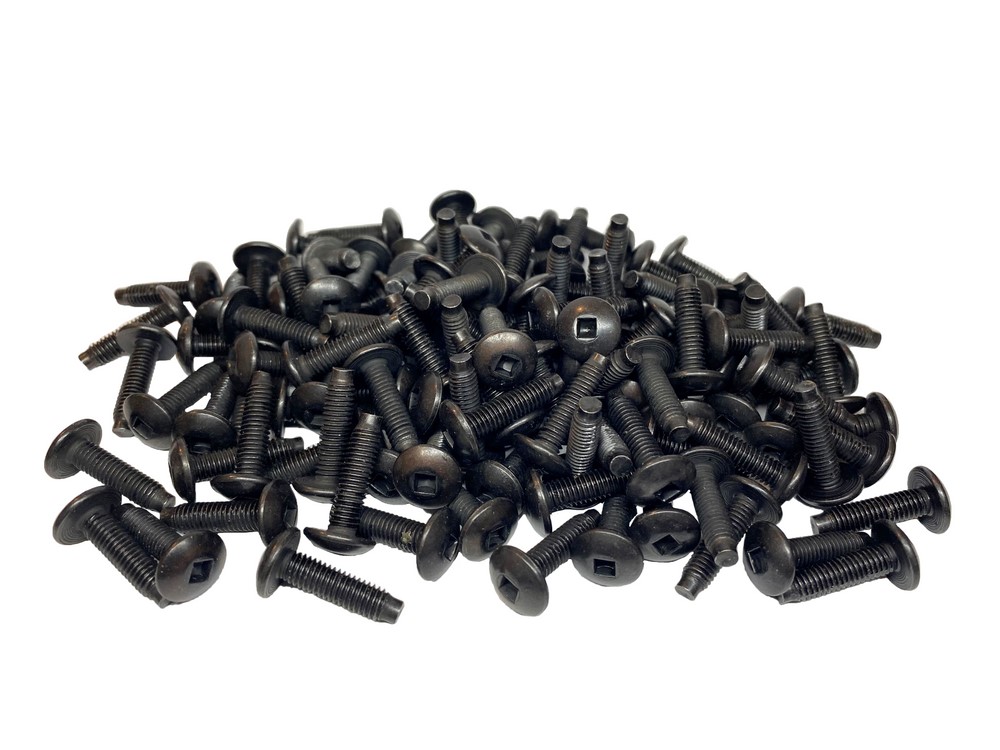
Thread-forming screws create their own threads when installed. They are useful for racks that don’t have pre-threaded holes, especially in aluminum racks. These screws provide a tight fit without the need for extra hardware.
3. Thumb Screws
Thumb screws are designed to be tightened or loosened by hand. They have a knurled head that makes them easy to grip. Thumb screws are great for equipment that needs to be moved or adjusted frequently, such as patch panels or rack-mounted audio interfaces.
4. Cage Nuts and Screws
Cage nuts are square nuts that fit into the square holes in some racks. They work with screws to hold equipment in place. This system allows for flexible positioning and is often used in professional server or AV racks.
Picking the Right Size
Rack screws come in different sizes and thread types. Using the right size ensures your equipment stays secure without damaging the rack or the gear. Common sizes include:
- #10-32: The standard size in the U.S., suitable for most lightweight audio and AV gear.
- #12-24: Thicker screws for heavy equipment or industrial racks.
- M6: Metric screws, used in some international or specialized equipment.
Always check the equipment and rack manuals to find the recommended screw size. Screws that are too short can lead to loose mounting, while screws that are too long may damage internal components.
Materials and Finishes Matter
Rack screws are available in several materials, each with its own benefits:
- Steel: Strong and durable, suitable for most racks and standard installations.
- Stainless Steel: Resistant to rust and corrosion, ideal for humid environments or outdoor racks.
- Zinc-Plated Steel: Affordable and rust-resistant for indoor use in dry areas.
The choice of material depends on the environment and weight of your equipment. For professional studios or live sound setups, stainless steel or high-quality steel screws provide long-lasting reliability.
Best Practices for Installing Rack Screws
Installing rack screws properly is just as important as choosing the right type. Here are some tips to get it right:
- Use the Right Screw for Each Device: Follow the manufacturer’s instructions. Using the wrong screw can strip threads or damage panels.
- Don’t Over-Tighten: Screws should be snug, not forced. Over-tightening can warp panels or damage threads.
- Distribute Weight Evenly: Place heavy equipment lower in the rack and spread weight across multiple levels to maintain stability.
- Use Cage Nuts for Adjustable Racks: They make it easy to change equipment positions without damaging the rack.
- Consider Thumb Screws for Frequent Access: For gear that needs regular maintenance, tool-free screws save time and reduce wear.
Special Considerations for Audio and AV Equipment
Audio and AV setups have unique needs that affect screw choice and installation:
- Vibration Resistance: Equipment like amplifiers or mixers can vibrate during use. Screws with lock washers or nylon inserts help prevent loosening.
- Electrical Grounding: Some devices use screws to complete grounding circuits. Make sure your screws allow proper electrical contact if needed.
- Rack Depth and Alignment: Screws should match the rack rail depth. Misaligned screws can strain panels or connectors.
Paying attention to these details ensures your setup is safe, reliable, and produces high-quality sound.
Maintenance Tips
Even the best rack screws require occasional attention. Regularly check for:
- Loose screws
- Stripped threads
- Rust or corrosion
Keep a small set of spare screws handy for replacements. Periodic inspection is especially important for racks that are moved often, such as touring setups or mobile studios.
Where to Find Quality Rack Screws
Not all screws are created equal. Using cheap or low-quality screws can damage your equipment and create safety risks. High-quality screws designed for professional audio, AV, and studio use provide stability, durability, and peace of mind. Reputable suppliers offer a variety of screw types, sizes, and materials to suit your exact needs.
For anyone serious about their equipment, investing in the right rack screws is essential. Proper screws make installation easier, reduce the risk of damage, and ensure your gear stays secure for years.
Conclusion
Rack screws may be small, but they are a critical part of any audio, AV, or studio setup. Choosing the right type, size, and material, combined with careful installation, keeps your equipment stable, safe, and functioning properly. From standard steel screws to tool-free thumb screws and cage nut systems, every detail matters when it comes to mounting your devices securely.
For high-quality rack screws and other rack accessories, Rackfinity is a reliable source. They offer a wide range of options suitable for professional studios, home setups, and AV installations, helping you keep your equipment secure and organized for years to come.
