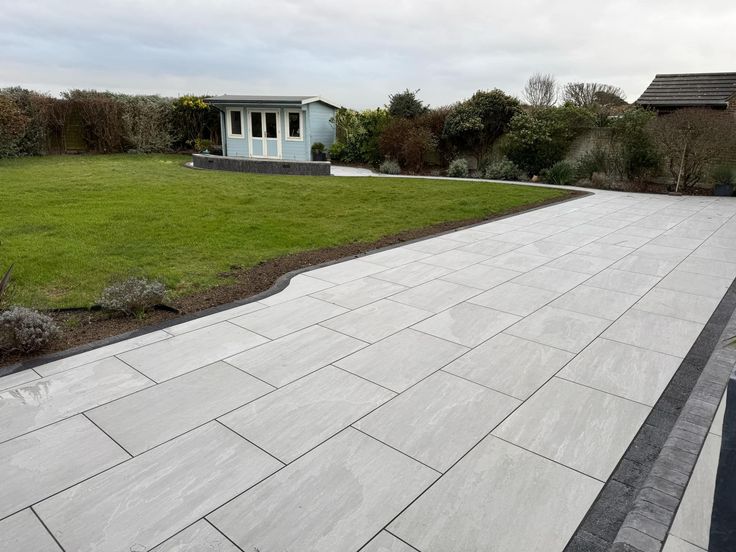
Whether you’re planning a garden makeover, building a new patio, or simply enhancing your backyard, choosing the right surface material can make all the difference. Outdoor flooring plays a crucial role in defining both the look and function of your exterior spaces. That’s why a paving Slab is one of the most popular and versatile choices for modern landscaping projects.
From homeowners looking to create beautiful patios to designers aiming to build seamless paths and entertaining areas, paving slabs combine durability, style, and ease of maintenance. In this article, we’ll explore why paving slabs are a smart investment, how to choose the right type, design ideas, and practical tips for installation and care.
What Is a Paving Slab?
A paving slab is a pre-cut, durable tile designed specifically for outdoor flooring applications. These slabs are typically made from materials like porcelain, natural stone, or engineered concrete to withstand wear, moisture, and changing weather conditions. Unlike loose gravel or poured concrete, paving slabs create a solid, even surface suitable for patios, walkways, driveways, and garden features.
Paving slabs come in a variety of sizes, textures, and finishes, giving homeowners a wide selection to choose from based on aesthetic preferences and practical needs.
Benefits of Using a Paving Slab
1. Durability That Lasts
One of the biggest advantages of a paving slab is its strength. Outdoor surfaces are exposed to rain, sunlight, frost, and regular foot traffic. Quality slabs are engineered to resist cracking, fading, and surface damage, even in harsh weather conditions. This durability ensures your outdoor space remains visually appealing and structurally sound for many years.
Compared to materials like wood decking or loose gravel, paving slabs provide a more stable and permanent solution for high-traffic areas.
2. Low Maintenance
Modern homeowners favour solutions that are beautiful yet easy to care for — and paving slabs deliver just that. A simple routine of sweeping debris and occasional washing is usually enough to maintain their appearance. Many slabs are also resistant to stains, moss, and algae, reducing the need for harsh chemicals or intensive cleaning methods.
This low-maintenance quality makes paving slabs particularly suitable for busy households or anyone who prefers an outdoor area that stays looking great with minimal effort.
3. Design Versatility
From sleek contemporary aesthetics to timeless traditional looks, paving slabs offer design versatility that suits various architectural styles. They are available in different colours, patterns, and sizes, allowing you to tailor your outdoor space to your unique taste.
You might choose large format slabs for a clean, modern patio, mix slab sizes for a classic pattern, or select textured finishes to mimic the look of natural stone. Whatever your vision, paving slabs provide the flexibility to make it a reality.
4. Safety and Comfort
Outdoor areas should be safe for all users, including children and elderly family members. Many paving slabs feature textured surfaces that offer enhanced grip, reducing the risk of slips, especially in wet conditions. Their solid surface also creates an even plane for furniture placement, making your patio or outdoor dining area more comfortable and functional.
Additionally, lighter-coloured slabs can help keep outdoor flooring cooler underfoot in warm weather, increasing comfort during summer months.
Where to Use Paving Slabs
One of the reasons paving slabs are so popular is their versatility. Here are some ideal applications:
- Patios and Outdoor Lounge Areas: Create a stable and stylish foundation for seating, dining, and entertaining.
- Garden Pathways: Connect different parts of your garden with clean, purposeful walkways.
- Driveways and Parking Zones: Thicker slabs can handle heavier loads while maintaining a polished appearance.
- Pool Surrounds: Slip-resistant surfaces make slabs ideal for areas around water.
- Courtyards and Terraces: Provide a low-maintenance surface that enhances the overall look and feel.
Whether your project is large or small, traditional or contemporary, paving slabs are adaptable to many outdoor settings.
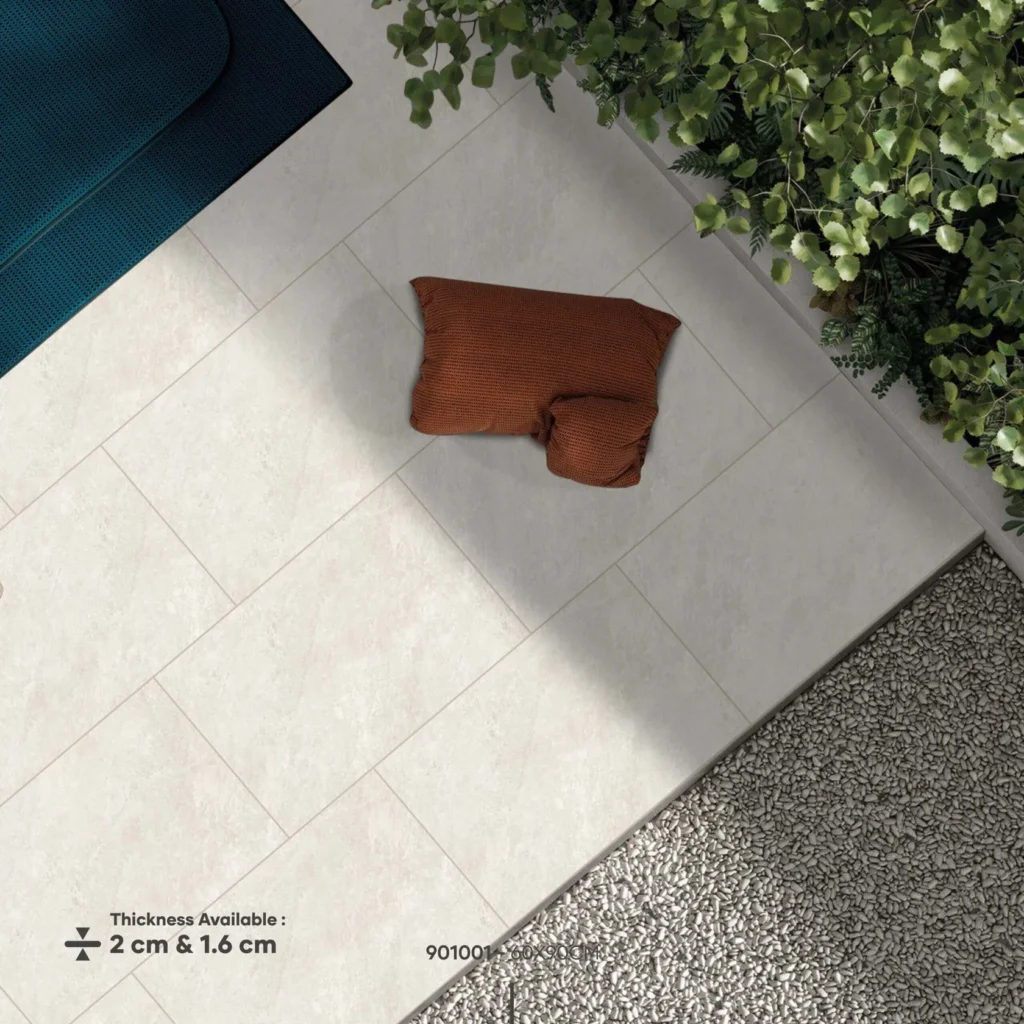
Choosing the Right Paving Slab
Selecting the right paving slab involves more than just picking a colour you like. Consider the following factors to ensure the best outcome for your outdoor project:
Material
Different materials offer distinct benefits:
- Porcelain: Known for exceptional strength, low porosity, and resistance to stains and frost.
- Natural Stone (e.g., sandstone, limestone): Offers unique textures and natural colour variations, though some may require sealing.
- Concrete: Affordable and sturdy, available in many finishes.
Consider your climate, maintenance expectations, and design preferences when choosing the material.
Colour and Tone
Colour affects both aesthetics and heat absorption. Lighter shades reflect heat and make spaces feel brighter, while darker tones add contrast and richness to your landscaping design.
Size and Pattern
Large slabs create a seamless and modern look, especially in open areas. Smaller slabs or mixed sizes are perfect for traditional garden paths or intimate patios with intricate designs.
Texture and Finish
Texture plays a role in both safety and style. Smooth surfaces provide a contemporary finish, while textured slabs offer natural appeal and enhanced grip.
Installation Tips for Long-Lasting Performance
Proper installation is crucial to maximize the lifespan and performance of your paving slabs. Here are some essential steps:
- Ground Preparation: Excavating and clearing the area before installation ensures a stable base.
- Sub-Base Layer: A compacted layer of gravel or crushed stone helps with drainage and prevents settling.
- Sand Bedding: A layer of sand allows for fine adjustments in levelling.
- Laying the Slabs: Position slabs evenly with appropriate spacing for joints.
- Joint Filling: Fill gaps with sand or jointing compound to prevent movement and weed growth.
While DIY installation is possible for experienced homeowners, many choose professional installers to ensure a precise and durable outcome.
Design Ideas to Inspire Your Project
To make the most of your paving slab installation, consider integrating design elements that enhance the overall space:
Garden Borders and Edging
Define your patio area with garden borders or low edging. This not only frames the space but also creates natural transitions between paving and soft landscaping.
Lighting Integration
Outdoor lighting can dramatically improve both comfort and safety. Consider LED strip lights along edges or recessed lighting between slabs to create ambience and visibility at night.
Outdoor Furniture and Decor
Choose weather-resistant furniture and outdoor accessories that complement your slab colour and texture. Rugs, planters, and outdoor art can personalize your space further.
Green Elements
Incorporate plants and greenery to soften the hardscape. Vertical gardens, planter boxes, or potted trees introduce natural beauty and create a lush outdoor environment.
Caring for Your Paving Slabs
To keep your paved surface looking its best:
- Sweeping: Regular sweeping removes dirt and debris.
- Washing: Occasional washing prevents build-up.
- Joint Maintenance: Refill joint sand if it washes away.
- Sealing (optional): Some materials benefit from sealing for added protection.
Routine care helps preserve appearance and prevents costly repairs over time.
Conclusion
If you’re looking to elevate your outdoor living area, investing in a paving Slab makes excellent sense. With their durability, design flexibility, easy maintenance, and practical functionality, paving slabs are ideal for patios, walkways, garden paths, and more.
Whether your vision is modern, rustic, or traditional, selecting the right paving slab and planning your layout thoughtfully will transform your outdoor space into a beautiful, functional extension of your home.
