Peripheral Vascular Disease (PVD), also referred to as peripheral artery disease (PAD), is a condition that affects the blood vessels outside the heart and brain, particularly in the legs. Reduced blood flow can cause pain, cramping, and, if left untreated, serious complications. Vascular Surgery in Abu Dhabi offers advanced treatment options that have revolutionized care for PVD, emphasizing minimally invasive procedures, personalized therapies, and long-term vascular health.
Understanding Peripheral Vascular Disease
PVD occurs when arteries supplying blood to the limbs become narrowed or blocked, most commonly due to a buildup of fatty deposits known as atherosclerosis. This leads to restricted blood flow, which can cause pain during walking, numbness, slow-healing wounds, and in severe cases, tissue damage.
The condition is often associated with other health factors such as diabetes, high blood pressure, high cholesterol, and smoking. Early detection and intervention are essential to prevent progression and maintain quality of life.
Why Advanced Treatment Matters
Traditional approaches to PVD often relied on lifestyle modifications and open surgical procedures. While these remain important, modern advanced treatment offers minimally invasive and precise interventions that significantly improve outcomes. These treatments focus not only on symptom relief but also on restoring healthy blood flow, preventing complications, and promoting long-term vascular wellness.
Diagnostic Innovations in Abu Dhabi
Advanced treatment begins with accurate diagnosis. Modern diagnostic tools enable clinicians to assess the severity and location of arterial blockages with high precision. Key technologies include:
Non-Invasive Imaging
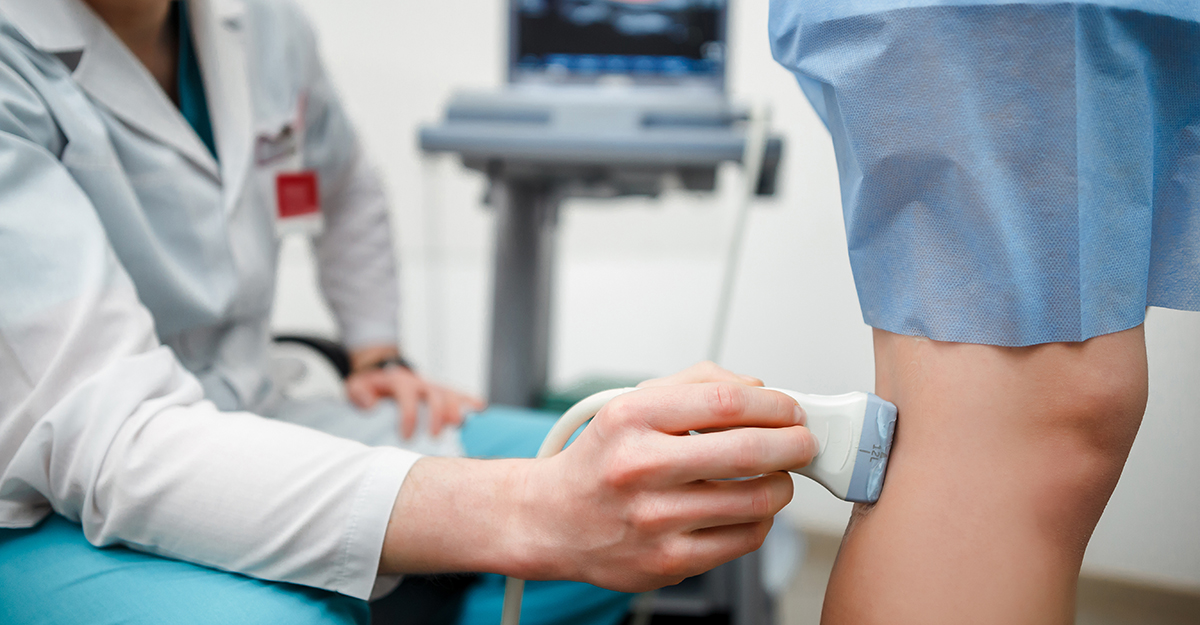
Techniques such as duplex ultrasound, CT angiography, and MR angiography allow visualization of blood vessels and identification of blockages or narrowing. These tools help physicians determine the most appropriate treatment strategy without the need for invasive procedures.
Functional Testing
Ankle-brachial index (ABI) testing and treadmill assessments measure blood flow and detect impaired circulation. Such tests guide personalized treatment planning and monitor progress during and after therapy.
Minimally Invasive Treatment Options
One of the hallmarks of advanced PVD treatment in Abu Dhabi is the preference for minimally invasive techniques. These procedures reduce recovery time, minimize complications, and provide durable results.
Endovascular Therapy
Endovascular therapy involves navigating tiny catheters through blood vessels to reach the site of blockage. Techniques such as balloon angioplasty and stent placement expand narrowed arteries and restore blood flow. These procedures are performed using imaging guidance, which ensures precision and safety.
Atherectomy
Atherectomy is a method of removing plaque buildup from arteries using specialized devices. This procedure helps restore blood flow while preserving healthy tissue, reducing the risk of further complications.
Hybrid Procedures
For complex cases, hybrid approaches combine minimally invasive techniques with surgical methods. This flexibility allows the treatment to be tailored to the patient’s anatomy, severity of disease, and overall health.
Surgical Interventions When Necessary
While minimally invasive treatments are often preferred, advanced surgery remains essential for severe or complicated cases. Modern vascular surgery uses refined techniques and precise imaging to perform bypass operations, removing or bypassing blockages to restore healthy circulation.
Surgical options today emphasize smaller incisions, careful tissue handling, and targeted approaches to reduce recovery time and improve long-term outcomes.
The Role of Lifestyle Management
Advanced PVD treatment integrates lifestyle management alongside procedures. Optimizing diet, increasing physical activity, and controlling risk factors such as diabetes, hypertension, and cholesterol are vital for maintaining long-term vascular health.
Patients receive tailored guidance on walking programs and exercise therapy, which can improve circulation, reduce pain during activity, and support the effectiveness of medical or procedural interventions.
Multidisciplinary Care
Treating PVD effectively often requires a collaborative approach. Advanced treatment centers in Abu Dhabi bring together vascular specialists, radiologists, rehabilitation therapists, and nutrition experts. This team-based approach ensures comprehensive care from diagnosis through follow-up, addressing both the physiological and lifestyle components of PVD.
Post-Treatment Monitoring and Follow-Up
Regular monitoring is critical to ensure long-term success in managing PVD. Post-treatment care may include imaging assessments, circulation tests, and adjustments to medication or exercise regimens.
Follow-up programs also focus on early detection of new blockages and reinforcement of healthy habits, which together minimize the risk of recurrence and complications.
Benefits of Advanced PVD Treatment
Patients undergoing advanced treatment for PVD experience a variety of benefits:
- Enhanced blood flow to the affected limbs
- Reduced pain and improved mobility
- Lower risk of serious complications such as tissue damage or amputation
- Faster recovery compared to traditional surgical methods
- Personalized and minimally invasive care tailored to individual needs
Cultural Sensitivity in Care
Abu Dhabi’s healthcare providers offer advanced treatment in a culturally sensitive environment, respecting privacy, traditions, and individual preferences. This ensures patients feel comfortable discussing their symptoms and actively participating in their care plan.
Frequently Asked Questions (FAQs)
What is peripheral vascular disease?
PVD is a condition in which blood vessels outside the heart and brain become narrowed or blocked, reducing blood flow to the limbs.
What are the common symptoms of PVD?
Symptoms include leg pain or cramping while walking, numbness, cold extremities, slow-healing wounds, and in severe cases, tissue damage.
How is PVD diagnosed?
Diagnosis involves medical history review, physical examination, blood flow measurements, and advanced imaging techniques such as duplex ultrasound or CT angiography.
What are the main treatment options for PVD?
Treatment may include lifestyle modifications, minimally invasive procedures like angioplasty and stenting, atherectomy, hybrid procedures, or surgery in severe cases.
Is PVD treatment painful?
Minimally invasive procedures are typically performed under local or regional anesthesia, and discomfort is minimal. Recovery is usually faster compared to traditional surgery.
Can lifestyle changes prevent PVD?
Yes. Maintaining a healthy diet, regular exercise, avoiding smoking, and controlling diabetes and blood pressure are key strategies for preventing and managing PVD.
How often should patients be monitored after treatment?
Regular follow-up is essential and may include imaging and circulation tests. Frequency depends on the type of intervention and individual risk factors.
Conclusion
Advanced treatment for Peripheral Vascular Disease in Abu Dhabi combines modern technology, minimally invasive procedures, personalized lifestyle management, and multidisciplinary care. These approaches focus not only on alleviating symptoms but also on restoring long-term vascular health, enhancing mobility, and improving quality of life. Early diagnosis, precise intervention, and comprehensive follow-up ensure that patients can manage PVD effectively while minimizing risks and maximizing independence.
