


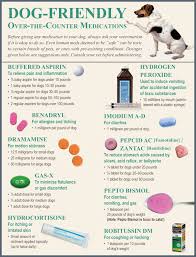
Pain Medicine for Dogs
Managing pain in dogs is a critical aspect of ensuring their health, happiness, and overall well-being. Dogs, like humans, can experience pain due to injury, chronic conditions, surgery, or aging. As pet owners, understanding the options for Pain Medicine for Dogs and knowing how to administer them safely is vital. This guide will provide comprehensive insights into the types of pain medications available, how they work, and what to consider before using them.
Understanding Pain in Dogs
Dogs may not always show pain the way humans do, making it challenging to recognize discomfort. Signs of pain in dogs include limping, difficulty rising, decreased appetite, behavioral changes, or excessive licking of a specific area. Recognizing these symptoms early is crucial to prevent chronic pain and improve your pet’s quality of life.
Veterinarians often perform a physical examination combined with diagnostic tests to determine the source and severity of pain. Once identified, the right Pain Medicine for Dogs can help manage their discomfort effectively. Understanding your dog’s specific needs is the first step toward choosing a safe and effective treatment plan.
Types of Pain Medicine for Dogs
There are several types of Pain Medicine for Dogs, each designed for specific conditions and levels of pain. Some commonly used categories include:
- Nonsteroidal Anti-Inflammatory Drugs (NSAIDs): These are commonly prescribed for inflammation and mild to moderate pain, especially related to arthritis or post-surgery recovery.
- Opioids: Reserved for severe pain, opioids are tightly regulated and typically prescribed for short-term use following surgery or serious injury.
- Gabapentin: Often used for nerve pain or chronic conditions like cancer, gabapentin can be combined with other medications to manage discomfort.
- Corticosteroids: These medications reduce inflammation and pain but are usually used cautiously due to potential long-term side effects.
- Supplements: Certain natural supplements like glucosamine and omega-3 fatty acids can support joint health and may reduce pain over time.
Selecting the right type of medication depends on your dog’s specific condition, size, age, and overall health. Veterinarians always weigh the benefits and potential side effects before recommending a particular drug.
How Veterinarians Determine the Best Pain Medicine
Choosing the most appropriate Pain Medicine for Dogs is not a one-size-fits-all approach. At trusted clinics like Park Hills Animal Hospital, veterinarians evaluate each dog individually. This process typically involves:
- Reviewing the dog’s medical history and previous treatments.
- Conducting a physical examination to identify the source of pain.
- Considering blood work and imaging studies to rule out underlying conditions.
- Recommending the safest and most effective medication for the dog’s age, weight, and health status.
Veterinarians may also provide guidance on dosage, frequency, and duration of treatment. Using medications without veterinary supervision can lead to serious complications, including liver or kidney damage, gastrointestinal issues, or ineffective pain control.
Administering Pain Medicine Safely
Administering Pain Medicine for Dogs safely is as important as selecting the right drug. Pet owners should always follow the veterinarian’s instructions carefully. Tips for safe administration include:
- Giving the correct dose based on your dog’s weight.
- Using pill pockets or flavored formulations to make administration easier.
- Monitoring for adverse reactions, such as vomiting, diarrhea, or changes in behavior.
- Avoiding human pain medications, which can be toxic to dogs, including ibuprofen or acetaminophen.
Consistency is key to managing chronic pain. Skipping doses or altering the medication schedule can reduce effectiveness and prolong discomfort. Always communicate with your veterinarian if you notice any unusual reactions.
Alternative Approaches to Pain Management
In addition to medications, alternative therapies can complement Pain Medicine for Dogs to improve comfort and mobility. Some effective options include:
- Physical Therapy: Exercises tailored to strengthen muscles and support joint function.
- Acupuncture: Can help relieve pain and inflammation, particularly in chronic conditions.
- Massage Therapy: Helps relax muscles and improve circulation, reducing discomfort.
- Heat or Cold Therapy: Ice packs can reduce inflammation, while heating pads can soothe stiff joints.
Combining alternative therapies with traditional medications often produces the best results, especially for aging dogs or those with long-term conditions. Always consult a veterinarian before introducing new treatments to ensure they are safe and appropriate.
Common Side Effects of Pain Medicine
Like any medication, Pain Medicine for Dogs can have side effects. Recognizing these early can prevent serious complications. Common side effects include:
- Gastrointestinal issues such as vomiting, diarrhea, or loss of appetite.
- Behavioral changes like lethargy or restlessness.
- Allergic reactions, including itching, swelling, or hives.
- Organ toxicity with prolonged or excessive use, particularly in the liver or kidneys.
Routine veterinary checkups are essential when dogs are on long-term pain medications. Blood tests can monitor organ function and ensure that the prescribed treatment remains safe and effective.
Tips for Choosing the Right Pain Medicine
Selecting the right Pain Medicine for Dogs involves careful consideration of multiple factors:
- Type of Pain: Acute pain from surgery may require different medication than chronic arthritis pain.
- Dog’s Age and Weight: Dosages and medication types vary significantly with size and age.
- Medical History: Conditions such as kidney or liver disease may limit options.
- Lifestyle Needs: Active dogs may require fast-acting pain relief, while older or sedentary dogs may benefit from long-term solutions.
- Veterinary Advice: Always follow professional guidance and avoid over-the-counter medications without consultation.
Personalized care ensures that your dog receives effective pain relief while minimizing risks.
The Importance of Regular Veterinary Checkups
Even with the best Pain Medicine for Dogs, regular veterinary checkups are essential to monitor progress and adjust treatment as needed. Pain management is not a one-time solution; it requires ongoing assessment to ensure your dog’s comfort and quality of life.
Veterinarians can provide guidance on adjusting medications, incorporating complementary therapies, and monitoring for side effects. Clinics like Park Hills Animal Hospital emphasize proactive pain management, helping pet owners take a holistic approach to their dog’s health.
Conclusion
Understanding Pain Medicine for Dogs is a vital part of responsible pet ownership. From recognizing the signs of discomfort to selecting the right medications and complementary therapies, pet owners play a crucial role in maintaining their dog’s well-being. By working closely with trusted veterinary professionals, following dosage instructions carefully, and monitoring for side effects, you can ensure your dog lives a comfortable and happy life.
Pain management is not just about treating symptoms—it’s about enhancing your dog’s overall quality of life, allowing them to enjoy every day with energy and joy. Effective pain control, combined with regular veterinary care, provides the best path to keeping your beloved pet healthy and active for years to come.
Saving Time and Money with a Healthcare Virtual Assistant Today
What to Look for When Choosing a Trade Show Booth Manufacturer in the U.S.?
How Recreational Cannabis Stores Work: Rules and Regulations
Remote Bookkeeping Services Australia: The Invisible Engine Behind Modern Businesses
How to Choose the Right Clinic for Nose Surgery in Islamabad
About the Author