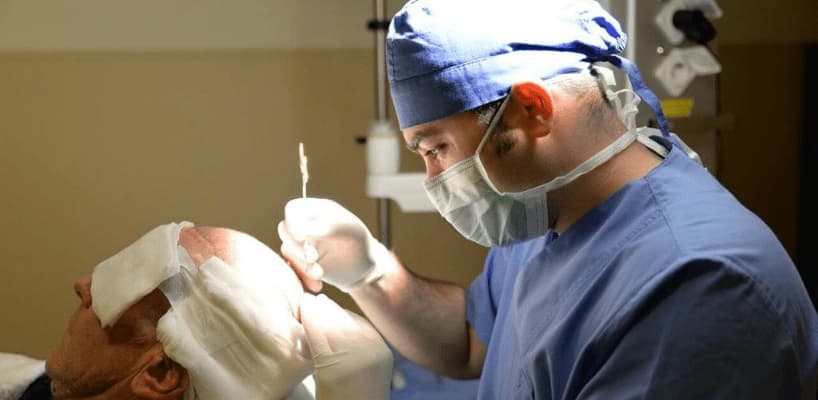
Hair transplant procedures have advanced significantly over the years, but not every transplant yields perfect results the first time. Unsatisfactory outcomes, poor density, unnatural hairlines, scarring, or previous outdated techniques may leave patients seeking corrective solutions. A Hair Transplant in Islamabad can address these issues, restoring a natural appearance, improving density, and correcting previous errors. Hair transplant repair, also known as hair transplant revision, is a specialized field that requires expertise, careful planning, and modern surgical techniques.
Repair procedures are often sought by patients who have experienced pluggy results from older FUT methods, uneven distribution from poorly performed FUE, or excessive donor site scarring. These procedures focus on creating natural density, soft hairline reconstruction, scar camouflage, and restoration of aesthetically pleasing growth patterns. Each repair plan is personalized according to the patient’s scalp condition, donor availability, and previous surgery outcomes.
Common Issues Addressed with Hair Transplant Repair
Several issues can prompt a hair transplant repair:
- Unnatural Hairlines: Hairlines that are too straight, harsh, or low can be corrected using careful single-hair graft placement.
- Pluggy or Doll-Like Appearance: Older techniques may have placed grafts too densely in small areas, which can be softened with micrografting.
- Low Density: Patients may require additional grafts to achieve fuller coverage in areas that appear thin.
- Donor Scar Correction: FUT linear scars or excessive FUE punch marks can be minimized using scar camouflage techniques, scalp micropigmentation, or strategic graft placement.
- Incorrect Growth Angles: Misaligned hair can appear unnatural, and repair procedures can reorient follicles to replicate natural hair patterns.
Each of these corrections requires a detailed assessment of the scalp, existing hair, and donor site to ensure optimal results.
Pre-Repair Assessment and Planning
Successful hair transplant repair begins with an in-depth consultation and scalp evaluation. Surgeons examine the previous transplant, assess hair density, donor supply, and scalp elasticity. High-resolution imaging and digital mapping may be used to identify areas needing correction and determine how many additional grafts are required.
Donor hair availability is critical in repair procedures. Since many patients have already utilized donor areas in previous surgeries, careful graft allocation and planning are essential. Surgeons often use advanced extraction techniques to maximize remaining donor follicles, ensuring that repairs do not compromise future options.
Techniques Used in Hair Transplant Repair
Modern repair procedures leverage advanced techniques such as FUE, DHI (Direct Hair Implantation), and micrografting:
- FUE (Follicular Unit Extraction): Ideal for precise placement in previously transplanted areas or scar regions. FUE minimizes trauma to the scalp and reduces the risk of visible scarring.
- DHI: Provides complete control over hair angulation, depth, and direction, which is essential when correcting unnatural growth patterns.
- Micrografting and Single-Hair Grafts: Used to refine hairlines and soften pluggy appearances.
- Scalp Micropigmentation: May complement surgical repair by blending scars or low-density areas visually.
Choosing the appropriate technique depends on the patient’s hair type, existing grafts, and the specific problem being addressed.
Hairline Reconstruction in Repair Procedures
One of the most common requests for repair surgery is hairline restoration. A poorly designed hairline can make even dense grafts look unnatural. Surgeons focus on softening the hairline using single-hair grafts placed irregularly for a natural transition. Careful consideration of facial proportions, forehead height, and age is essential to ensure the reconstructed hairline looks harmonious and balanced.
For patients with previous pluggy results, micrografts are placed in front of older grafts to create a seamless, natural look. The goal is to restore a hairline that blends perfectly with existing hair while eliminating harsh or artificial patterns.
Density Enhancement
Low-density areas from prior transplants can be corrected with additional grafts. Density enhancement involves careful spacing and strategic placement to avoid overharvesting and to maximize visual impact. Surgeons often use a combination of single, double, and triple follicular units to achieve the illusion of fullness without creating a crowded or unnatural appearance.
Density planning also considers future hair loss patterns, especially in cases of androgenetic alopecia. Ethical surgeons ensure that restored density aligns with long-term hair retention and patient goals.
Scar Camouflage and Donor Area Correction
Scar management is an integral part of repair procedures. Linear scars from FUT can be covered using micrografts or scalp micropigmentation. FUE punch scars may be minimized by harvesting additional follicles in strategic patterns, blending them with existing hair. In some cases, platelet-rich plasma (PRP) therapy may be used to improve scalp healing and optimize graft survival in scarred areas.
Repair procedures not only improve aesthetics but also restore confidence in patients who were previously dissatisfied with donor site appearance.
Post-Operative Care and Recovery
Recovery after a repair transplant is similar to standard hair restoration but may require additional attention due to the presence of scar tissue or previous grafts. Patients are advised to follow gentle hair care routines, avoid sun exposure, and maintain scalp hygiene to ensure graft survival. Follow-up appointments allow surgeons to monitor healing, assess growth, and address any concerns.
Full results from repair procedures typically emerge between 9–12 months, depending on hair type, density, and the extent of correction. Patients often experience a dramatic improvement in appearance, hairline aesthetics, and overall confidence.
Psychological and Aesthetic Benefits
Hair transplant repair can significantly improve self-esteem and social confidence. Correcting unnatural hairlines, pluggy patterns, or visible scars transforms both appearance and emotional well-being. Patients often report renewed satisfaction with their hair and a boost in self-image after repair surgery.
Combining Repair with Adjunctive Therapies
For optimal results, repair procedures can be combined with adjunctive treatments such as PRP therapy, low-level laser therapy, or medical-grade hair care solutions. These therapies promote healing, stimulate dormant follicles, and support long-term hair growth, particularly in challenging or scarred areas.
Frequently Asked Questions (FAQs)
What is a hair transplant repair procedure?
It is a corrective surgery aimed at fixing unsatisfactory results from previous hair transplants, including low density, unnatural hairlines, or donor site scarring.
Who is a good candidate for hair transplant repair?
Patients with previous unsatisfactory transplants, pluggy hairlines, low density, or visible donor area scarring are ideal candidates.
What techniques are used in repair procedures?
FUE, DHI, micrografting, and scalp micropigmentation are commonly used depending on the patient’s specific needs.
Is recovery different from a standard transplant?
Recovery is similar, but scarred or previously transplanted areas may require additional care and monitoring.
How long does it take to see full results?
Full results typically appear 9–12 months after the repair procedure.
Final Thoughts
Hair transplant repair procedures in Islamabad offer a transformative solution for patients dissatisfied with previous hair restoration outcomes. By addressing hairline design, density, scarring, and unnatural growth patterns, these procedures restore natural aesthetics and confidence. Modern techniques like FUE, DHI, and micrografting, combined with personalized planning, ensure long-lasting, harmonious results. Clinics like SKN Cosmetics specialize in expert Hair Transplant in Islamabad, providing advanced repair procedures, tailored strategies, and professional care.
