




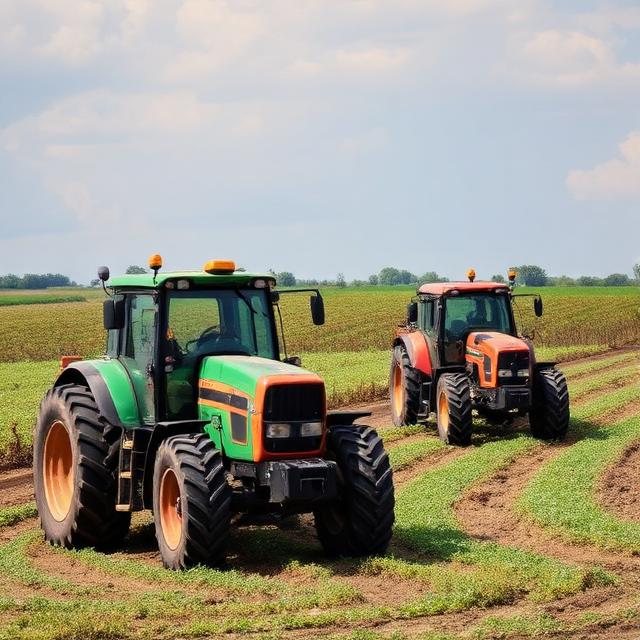
On farms throughout the United Kingdom, where red diesel fuels tractors across rain-soaked fields and gas oil keeps grain dryers and livestock housing warm, fuel reliability shapes every day’s work. Farm fuel additives act as an essential safeguard, addressing the unique challenges posed by Britain’s weather—high humidity, frequent temperature drops, and extended storage times in bulk tanks. These treatments improve combustion, prevent degradation, and protect expensive machinery from avoidable wear. Domestic oil suppliers play a key role by stocking and recommending suitable additives, often blending them into deliveries to simplify adoption. For farmers facing tight budgets and strict performance expectations, additives provide a low-effort way to maintain efficiency, reduce repair bills, and keep operations running smoothly season after season.
Oil Suppliers: Bringing Additives Closer to the Farm

Domestic oil suppliers remain the main point of contact for rural fuel needs, supplying kerosene for heating alongside red diesel and gas oil for fieldwork. Many now view farm fuel additives as a natural extension of their service, keeping popular formulations in stock and offering them as standard or optional extras. When farmers place an order, suppliers can discuss current conditions—such as upcoming cold weather or long-term storage—and suggest the most appropriate treatment. This personalised advice ensures the right additive reaches the tank, whether to fight microbial growth after a wet summer or to improve cold-flow properties ahead of winter. By integrating additives into the supply chain, these suppliers turn a simple fuel delivery into a proactive step that protects machinery and supports consistent performance year-round.
Farm Fuel Delivery: The Perfect Moment for Additive Treatment

Farm fuel delivery brings additives directly into practical use with almost no extra work for the farmer. Tankers arrive at the holding ready to incorporate treatments during offloading, guaranteeing even distribution throughout the tank. Many delivery services offer flexible scheduling, including rapid response for urgent needs, so additives can be applied precisely when protection is most required—before a cold snap or after filling a recently cleaned tank. Delivery teams often carry a selection of common additives, allowing on-the-spot decisions based on the season, recent weather, or specific machinery concerns. This streamlined process removes the hassle of separate purchases or manual mixing, ensuring fuel enters service already optimised for reliability and efficiency.
Confronting Fuel Challenges Head-On with Additives
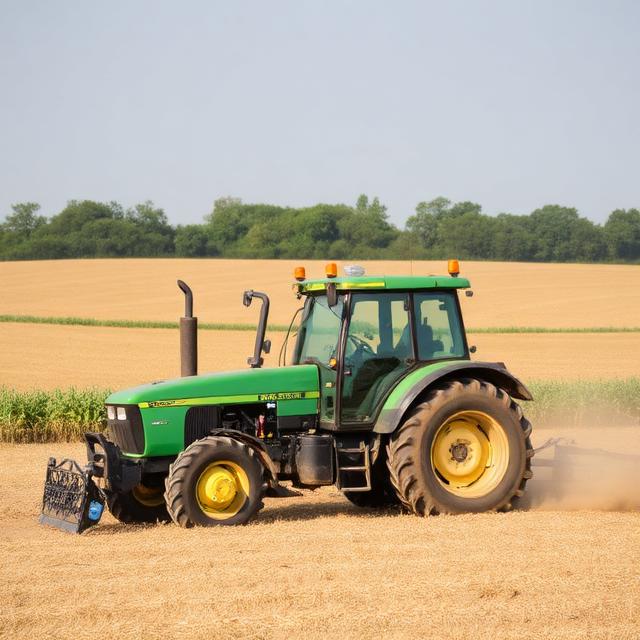
Farm fuel additives directly tackle the problems that commonly affect UK agriculture. Biocides eliminate bacteria and fungi that flourish when water enters tanks through condensation or poor seals, stopping the formation of sludge that clogs lines and damages pumps. Cold-flow improvers and anti-gelling agents keep diesel liquid and pumpable during sharp frosts, preventing blocked filters that could leave tractors stranded at critical moments. Cetane boosters promote faster, more complete ignition for easier starting and reduced exhaust emissions, while detergents clean carbon deposits from injectors and valves, restoring power and improving fuel economy over time. Lubricity enhancers protect modern high-pressure systems from excessive wear caused by ultra-low-sulphur fuels. These combined effects lead to fewer breakdowns, smoother running, and longer intervals between servicing.
Best Practices for Using Farm Fuel Additives Effectively

Farmers gain the fullest benefit from farm fuel additives by applying them consistently and selecting products matched to their situation. Consulting with domestic oil suppliers at each major order helps identify the best treatment—perhaps a storage stabiliser for tanks that sit full over winter or a winterisation package when temperatures threaten to fall. Treating at every significant fill maintains steady protection, particularly valuable for fuels containing biodiesel that can oxidise more quickly. Good housekeeping habits, such as keeping tanks shaded to reduce temperature swings, sealing lids tightly, and checking for water regularly, work hand-in-hand with additives to maximise results. Occasional fuel quality checks can highlight emerging issues early, allowing prompt adjustment. This simple routine delivers dependable machinery performance while keeping costs in check.
Additives Supporting the Shift to Sustainable Fuels
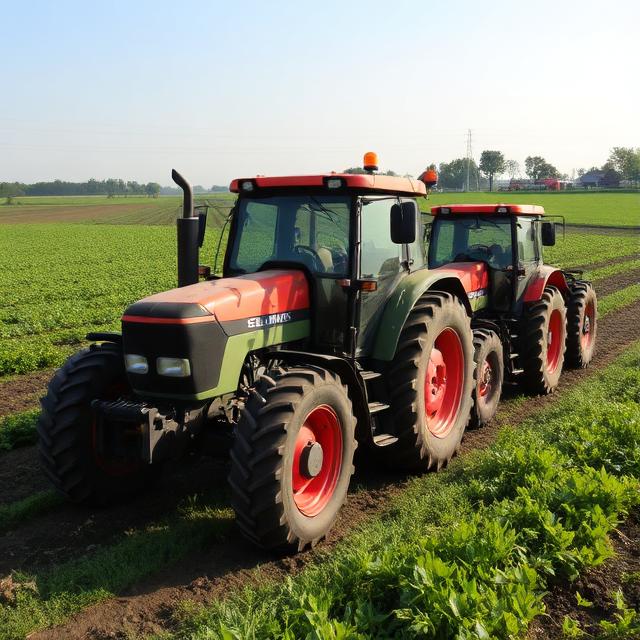
As UK farming moves toward lower-carbon practices, farm fuel additives adapt to support both traditional red diesel and newer renewable alternatives. Specialised formulations now ensure stability, cold-weather reliability, and engine compatibility in hydrotreated vegetable oil (HVO) and similar sustainable options. These treatments help renewable fuels perform consistently in existing equipment, easing the transition without requiring major investment in new machinery. Domestic oil suppliers lead by offering updated additive lines alongside greener fuels, guiding farmers toward choices that align operational demands with environmental commitments. Through reliable farm fuel delivery and thoughtful additive use, British agriculture can protect equipment, maintain productivity, and advance steadily toward cleaner, more responsible energy use for the future.
About the Author