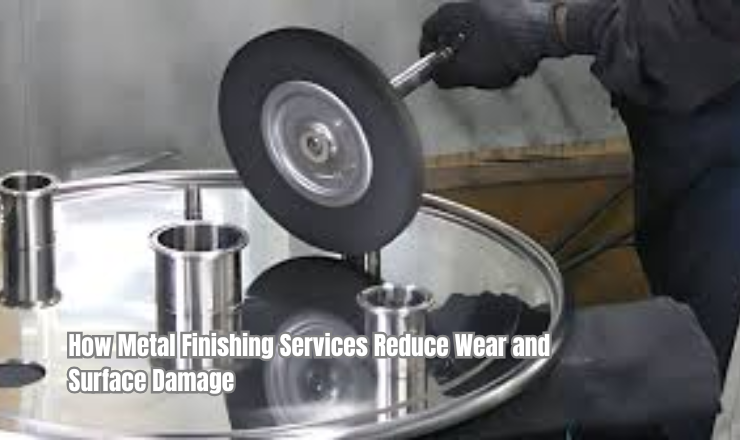
Industrial components face constant stress. Friction, moisture, heat, and chemicals slowly break down exposed surfaces. Over time, this leads to wear, corrosion, and costly replacements.
This is where metal finishing services play a key role, helping extend the life of parts while improving performance and appearance.
Metal finishing is not just about looks. It is a protective process that strengthens surfaces and prepares them for long-term use in demanding environments.
Understanding Wear and Surface Damage
Wear happens when two surfaces rub against each other repeatedly. Surface damage can also occur due to rust, impact, or chemical exposure.
Common problems include:
- Scratches and abrasions
- Corrosion and rust buildup
- Cracks and surface fatigue
- Reduced part efficiency
If untreated, these issues can affect safety, performance, and production timelines.
How Metal Finishing Improves Surface Strength
Metal finishing processes modify the surface of a component to make it tougher and more resistant. These treatments form a protective layer that shields the base metal.
Key benefits include:
- Improved hardness
- Reduced friction
- Enhanced resistance to corrosion
- Better adhesion for coatings or paint
These improvements help parts withstand harsh conditions for longer periods.
Common Metal Finishing Techniques That Reduce Wear
Various applications call for different finishing techniques. Each technique aims to solve particular problems on the surface.
- Platingand Coating
A thin metal or chemical coating is applied to protect against corrosion and friction. This also enhances conductivity and hardness.
- Polishing and Buffing
These techniques are used to smooth out rough surfaces. A smooth surface reduces friction and prevents premature wear.
- Anodizing
This technique is commonly applied to aluminum. Anodizing hardens the surface and makes it more corrosion-resistant.
- Heat Treatment
This technique changes the internal structure of the metal, making it stronger and more resistant to wear.
Surface Preparation Matters More Important Than You Think
Surface preparation is a critical step in any finishing technique. Surface impurities such as rust, oil, and old paint can compromise the final product.
Surface preparation is important because it:
- Removes impurities
- Provides an even surface texture
- Improves paint adhesion
- Prevents future peeling and cracking
Various industries depend on metal finishing due to the need for durability.
Industries That Rely On Metal Finishing
Some common industries are:
- Automotive and transportation
- Aerospace and defense
- Construction equipment
- Manufacturing and tooling
- Marine use
In every instance, less wear means better performance and lower maintenance expenses.
Long-Term Cost and Performance Savings
Though metal finishing costs more initially, it saves money in the long run. Parts will last longer and require fewer repairs.
Long-term benefits include:
- Increased part life
- Less downtime
- Lower replacement costs
- Consistent product quality
This makes metal finishing a worthwhile investment, not an afterthought.
Selecting the Right Finishing Process
Not all processes are suitable for all applications. Considerations include the type of metal, operating conditions, and performance requirements.
A proper assessment guarantees:
- Proper surface protection
- Maximum wear resistance
- Adherence to industry standards
Professional advice can be the key to success.
Final Thoughts
Protecting metal surfaces is essential for long-term performance and safety. When applied correctly, finishing methods significantly reduce wear, surface damage, and maintenance issues.
From preparation to final treatment, every step matters. For reliable surface protection and durability, Peregrine Metal Finishing delivers proven results through expert processes, including sandblasting services.
