
Most homeowners don’t think about flooring every day, and that’s exactly why it matters. A good floor fades into daily life in the best way possible. It feels right underfoot, looks consistent year after year, and doesn’t demand constant attention. Oak flooring fits into homes this way. It’s not chosen for a single season or trend. It’s chosen because it lasts and quietly improves how a home is experienced over time.
People often talk about kitchens or bathrooms when discussing property value, but flooring plays a much bigger role than it gets credit for. Oak flooring, in particular, tends to influence how a space feels the moment someone walks in.
What Is Oak Flooring in Practical Terms?
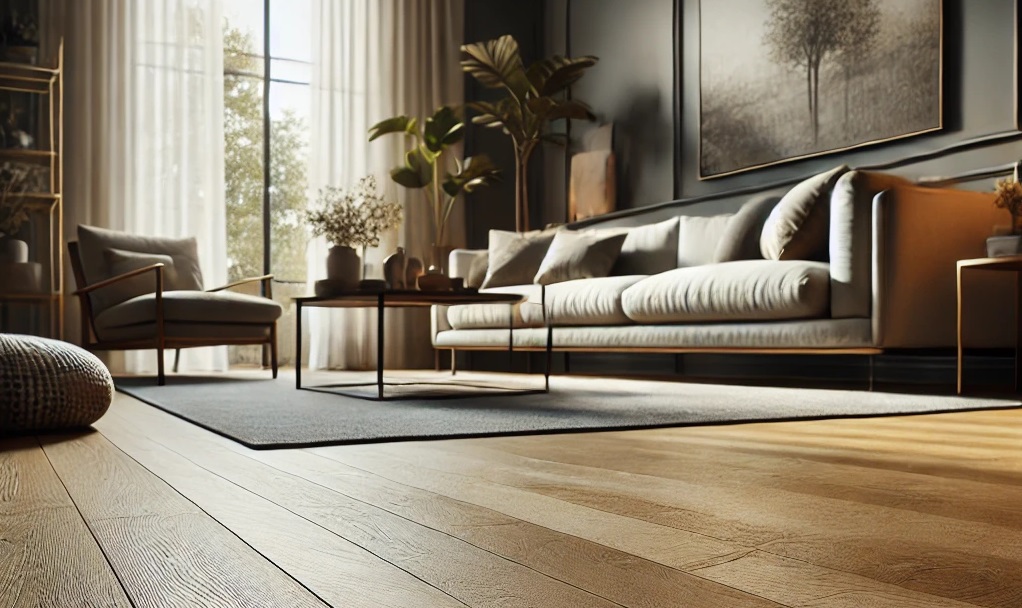
Oak flooring is precisely what it sounds like: flooring made from oak, a hardwood known for its strength and character. What makes oak different from many alternatives is its visible grain. No two boards look identical, which gives the floor depth and movement instead of a flat, manufactured appearance.
Over time, oak flooring doesn’t really wear out; it settles in. The surface softens slightly, the colour matures, and the floor starts to feel like part of the house rather than an afterthought. That sense of permanence is one of the reasons homeowners return to oak again and again.
Why Has Oak Flooring Stayed Popular for So Long?
Interior styles come and go. Oak flooring doesn’t chase them. It adapts instead. Light oak works well in modern, open spaces, while deeper tones suit traditional rooms just as easily. This flexibility keeps oak relevant even as design preferences shift.
Layouts such as oak herringbone flooring are often chosen by homeowners who want something visually interesting without being loud. The pattern adds detail but still feels classic. Beyond looks, oak has built a reputation for reliability. People trust it because it performs well in real homes, not just showrooms.
How Does Oak Flooring Support Long-Term Home Value?
When buyers walk into a home with oak flooring, there’s an immediate assumption of quality. Hardwood floors suggest that a property has been maintained rather than patched together with short-term solutions. That perception matters.
Engineered oak flooring is commonly used in homes where stability is essential, especially in spaces affected by temperature changes. Its layered structure reduces movement while still offering the appearance of real wood. Solid oak flooring appeals to homeowners who value longevity and restoration, as it can be sanded and refreshed multiple times rather than replaced. Both options signal durability, which directly supports long-term value.
What Types of Oak Flooring Are Typically Chosen?
Different homes place different demands on flooring, which is why oak is available in multiple formats. Common choices include:
- Engineered Oak Flooring: Built with a real oak surface and a supportive core, this option suits modern homes and busy households. It handles change well and keeps its shape over time.
- Solid Oak Flooring: Cut from a single piece of wood, this is often seen as a traditional choice. It requires proper installation and care, but rewards homeowners with an exceptional lifespan.
- Oak Herringbone Flooring: Chosen for its visual impact, this layout brings structure and character to hallways, living rooms, and dining spaces.
Each option offers a slightly different balance between appearance, performance, and maintenance, allowing homeowners to choose based on how they actually live.
Why Is Oak Flooring Often Seen as a Sustainable Option?
Sustainability isn’t only about materials; it’s also about longevity. Oak flooring lasts. Floors that remain in place for decades reduce waste by avoiding replacement. That alone makes a difference.
Engineered oak flooring uses wood efficiently, making better use of raw materials. Solid oak flooring, while more resource-intensive initially, often lasts for generations in homes. When a floor doesn’t need to be torn out every few years, its environmental footprint naturally decreases.
How Much Maintenance Does Oak Flooring Really Need?
Oak flooring doesn’t require complicated routines. Most maintenance comes down to consistency rather than effort. Regular sweeping or vacuuming removes grit that causes surface wear. Occasional damp cleaning with appropriate products keeps the finish intact.
Furniture pads help prevent dents, and rugs in high-traffic areas reduce long-term wear. When signs of ageing appear, both engineered oak flooring and solid oak flooring can often be refreshed instead of replaced. That ability to restore rather than remove is one of oak’s most significant advantages.
Can Oak Flooring Keep Up with Modern Living?
Modern homes are active. People move furniture, pets run across floors, and life happens. Oak flooring handles this better than many alternatives. Minor marks tend to blend into the grain rather than stand out as damage.
Styles like oak herringbone flooring also suit contemporary interiors surprisingly well. They add interest without making a space feel busy. Oak flooring continues to work even as décor changes, which means homeowners can update their interiors without touching the floor.
Conclusion
Oak flooring isn’t about making a statement for one season. It’s about creating a base that supports a home for years to come. Its durability, adaptability, and natural appeal give it an edge over many other flooring options.
Whether through engineered oak flooring for everyday practicality, solid oak flooring for traditional longevity, or oak herringbone flooring for added character, oak remains a reliable investment. For homeowners thinking beyond short-term trends, oak flooring continues to offer real value that stands the test of time.
Top-Rated Beirut Escorts Offering Sophisticated Experiences
Saving Time and Money with a Healthcare Virtual Assistant Today
What to Look for When Choosing a Trade Show Booth Manufacturer in the U.S.?
How Recreational Cannabis Stores Work: Rules and Regulations
Remote Bookkeeping Services Australia: The Invisible Engine Behind Modern Businesses
About the Author