

Skin pigmentation disorders are common in Pakistan due to intense sun exposure, hormonal changes, and environmental factors. Many people notice dark patches, uneven tone, or stubborn spots that affect their confidence. Understanding the science behind these conditions helps you choose the right skin pigmentation treatment. When you know what causes pigmentation, you can take smarter steps toward healthy, even skin. This guide explains the biological process in simple, clear language for better awareness.
What Is Skin Pigmentation?
Skin pigmentation refers to the color of your skin, which is determined by a pigment called melanin. Melanin is produced by special cells known as melanocytes. These cells protect the skin from harmful ultraviolet rays by absorbing sunlight. When melanin production becomes uneven, pigmentation disorders can develop. This imbalance often requires professional skin pigmentation treatment for visible improvement.
In Pakistan, high UV levels make melanin production more active. That is why many people experience tanning, dark spots, and patchy skin tone. While melanin protects the skin, excess production can create cosmetic concerns. Proper understanding allows individuals to explore natural ways and clinical solutions safely.
The Role of Melanin in Skin Color
Melanin is produced inside melanocytes through a complex biological process called melanogenesis. This process involves enzymes like tyrosinase, which play a key role in pigment formation. When the skin is exposed to sunlight, melanocytes increase melanin production. This response is the body’s natural defense mechanism. However, prolonged exposure can trigger hyperpigmentation.
Hormonal changes, inflammation, and certain medications can also influence melanogenesis. Conditions like melasma are common among Pakistani women due to hormonal fluctuations. In such cases, skin pigmentation treatment helps regulate and reduce excessive pigment formation. Early management prevents the condition from worsening.
Common Types of Skin Pigmentation Disorders
Different pigmentation disorders affect people in various ways. Identifying the type is important before starting any skin pigmentation treatment. Below are the most common conditions seen in Pakistan.
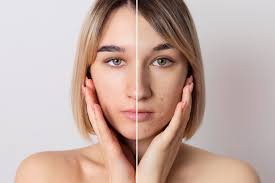
- Melasma: Brown or gray patches usually appearing on cheeks and forehead due to hormones and sun exposure.
- Post-Inflammatory Hyperpigmentation (PIH): Dark spots left after acne, burns, or skin injury.
- Sunspots: Also called age spots, caused by long-term UV exposure.
- Vitiligo: A condition where pigment-producing cells are destroyed, leading to white patches.
Each condition has different causes and treatment approaches. Consulting a qualified dermatologist ensures accurate diagnosis and proper care.
Why Pigmentation Is Common in Pakistan
Pakistan’s climate plays a major role in pigmentation issues. Strong sunlight throughout the year increases melanin production. Many people do not use sunscreen regularly, which worsens the problem. Pollution and dust further irritate the skin, triggering inflammation and dark spots.
Cultural practices such as frequent waxing or harsh home remedies may also damage the skin barrier. When the skin becomes inflamed, it produces more pigment as a protective response. This is why dermatologists often recommend professional skin pigmentation treatment instead of experimenting with unverified methods.
The Science Behind Hyperpigmentation
Hyperpigmentation occurs when melanocytes become overactive. This overactivity may result from UV radiation, hormonal imbalance, or skin trauma. When the enzyme tyrosinase is stimulated, more melanin is produced than necessary. The pigment then accumulates in certain areas, forming dark patches.
Inflammation also plays a significant role in pigmentation. After acne or injury, inflammatory chemicals stimulate melanocytes. This process leaves behind stubborn marks that do not fade easily. Targeted skin pigmentation treatment works by reducing melanin production and accelerating cell turnover.
Modern Skin Pigmentation Treatment Options
Advancements in dermatology have introduced effective solutions for pigmentation concerns. Treatments are selected based on the severity and type of condition. Dermatologists in Pakistan commonly recommend safe and clinically approved procedures.
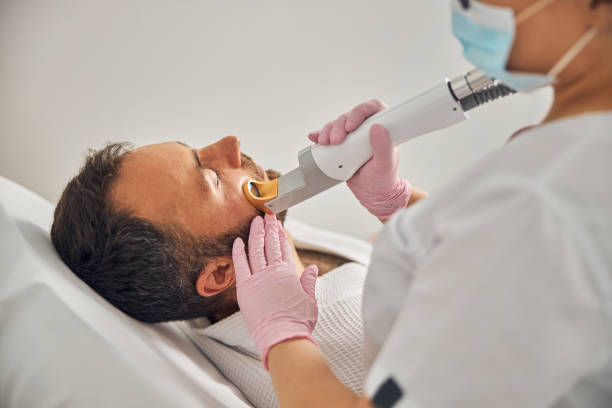
Topical creams containing ingredients like hydroquinone, retinoids, and vitamin C help reduce melanin formation. Chemical peels exfoliate the upper skin layer and promote new cell growth. Laser therapy targets deep pigmentation and breaks down excess melanin. These procedures offer visible improvement when performed by experienced professionals.
Natural Ways to Support Even Skin Tone
Many people prefer natural ways to manage mild pigmentation. Ingredients like aloe vera, turmeric, and licorice extract may help soothe the skin. These remedies support skin health but require patience and consistency. Results are usually gradual and less dramatic compared to medical treatments.
Using sunscreen daily is one of the most effective preventive steps. A broad-spectrum SPF protects the skin from harmful UV rays. Hydration and a balanced diet also improve overall skin health. While natural ways can help, stubborn pigmentation often needs specialized skin pigmentation treatment.
Preventing Pigmentation Problems
Prevention is always better than cure when it comes to skin health. Wearing sunscreen every day reduces the risk of dark spots. Avoiding direct sun exposure during peak hours also helps. Protective clothing such as hats and scarves provides extra defense.
Gentle skincare routines prevent unnecessary irritation. Avoid harsh scrubs or chemical products without medical advice. Regular consultations with dermatologists ensure early detection of pigmentation issues. Preventive care reduces the need for aggressive skin pigmentation treatment later.
Psychological Impact of Pigmentation
Pigmentation disorders can affect self-esteem and confidence. Many individuals feel uncomfortable in social settings due to uneven skin tone. This emotional impact highlights the importance of proper medical guidance. Safe and effective skin pigmentation treatment can restore both skin clarity and self-confidence.
Awareness campaigns and education help people understand that pigmentation is common and treatable. Seeking professional advice is better than relying on myths. With modern dermatology, managing pigmentation is now easier and safer.
Choosing the Right Clinic in Pakistan
Selecting a reputable clinic is essential for safe outcomes. Always verify the qualifications and experience of the dermatologist. Advanced equipment and hygienic practices indicate professional standards. Personalized consultation ensures that the treatment plan suits your skin type.
Avoid clinics that promise instant results without evaluation. Proper assessment determines whether creams, peels, or lasers are appropriate. A trusted clinic will guide you through realistic expectations and aftercare instructions. This approach ensures long-term success in skin pigmentation treatment.
FAQs About Skin Pigmentation Treatment
What causes sudden pigmentation on the face?
Sudden pigmentation can result from sun exposure, hormonal changes, or inflammation after acne. A dermatologist can determine the exact cause.
Is skin pigmentation treatment safe?
Yes, when performed by qualified professionals using approved methods. Proper diagnosis reduces risks and improves outcomes.
How long does treatment take?
Results vary depending on the condition and treatment type. Mild cases may improve in weeks, while deeper pigmentation may take several months.
Can natural ways completely remove pigmentation?
Natural ways may lighten mild spots, but deeper pigmentation often requires medical intervention. Professional care ensures more noticeable and lasting results.
Final Thoughts
Understanding the science behind pigmentation helps you make informed decisions about your skin. From melanin production to environmental triggers, every factor plays a role in skin discoloration. Early diagnosis and the right skin pigmentation treatment can significantly improve skin tone and confidence. For those seeking expert care in Pakistan, trusted clinics like skn cosmetics provide advanced solutions tailored to individual needs. Consulting experienced professionals ensures safe procedures and long-lasting results for healthier, radiant skin.
How Recreational Cannabis Stores Work: Rules and Regulations
Remote Bookkeeping Services Australia: The Invisible Engine Behind Modern Businesses
How to Choose the Right Clinic for Nose Surgery in Islamabad
Wie man Knieschmerzen ohne Operation behandelt
Before Filing Mutual Divorce in Delhi: Important Legal Facts Every Couple Must Know (2026 Guide)
About the Author